


Joint Surgery and Joint Reconstruction in Marsa Matrouh | Ortho Care Clinic
Introduction
Joint problems can affect mobility and the ability to perform everyday activities. They may result from injuries, cartilage wear, osteoarthritis, or conditions affecting the bones and surrounding tissues. Ortho Care Clinic – Dr. Mohamed Salam and Dr. Mansoub El-Shal provides a point of contact for inquiries about bone and joint problems and the importance of assessing each condition before choosing treatment. Joint surgery and reconstruction vary according to the affected joint, the extent of damage, and the patient's overall health. Surgery is not necessary for every joint condition.
Ortho Care Clinic: Contact Information
📍 Address: Marsa Matrouh, Matrouh Governorate, Egypt.
📞 For appointments and inquiries: 01097904507
What Are Joint Surgery and Joint Reconstruction?
Joint surgery includes a range of procedures used to treat injuries and conditions that affect the structure, movement, or weight-bearing function of a joint.
Joint reconstruction refers to procedures intended to repair damaged structures or restore joint stability and function. Depending on the condition, this may involve ligament or cartilage repair, bone realignment, or replacing damaged joint surfaces with artificial components when necessary.
The appropriate procedure depends on the underlying problem. Some patients may benefit from non-surgical treatment and rehabilitation, while others may require surgery to improve joint function, reduce pain, or restore movement.
When Might a Patient Need Joint Surgery?
Joint pain does not automatically mean that surgery is required. Some conditions improve with medication, physical therapy, or changes in daily activities. Surgery may be considered when symptoms persist or an injury significantly affects joint function.
Conditions that may require surgical assessment include:
-
Cartilage damage and advanced osteoarthritis.
-
Ligament tears that affect joint stability.
-
Meniscus or articular cartilage injuries.
-
Fractures involving the joint surface.
-
Bone deformities that affect how weight is distributed across the joint.
-
Severe joint damage that limits movement and daily activities.
-
Problems involving a previous artificial joint that may require revision or repair.
The need for surgery is determined after reviewing symptoms, performing a physical examination, and assessing imaging and other relevant investigations.
What Are the Main Types of Joint Surgery?
Joint procedures differ according to the affected joint and the nature of the damage. Common orthopedic procedures include the following.
Joint Arthroscopy
Arthroscopy is used in selected cases to examine or treat structures inside a joint. It involves inserting a small camera and specialized surgical instruments through small incisions.
It may be used for certain knee, shoulder, and hip conditions, including some ligament and cartilage injuries and damaged structures inside the joint.
Arthroscopy is not suitable for every joint problem and is not a universal treatment for advanced osteoarthritis. Its potential benefit depends on an accurate diagnosis.
Ligament Repair and Reconstruction
Ligaments help stabilize joints and guide their movement. A severe ligament tear may affect joint stability, particularly in some sports-related injuries.
Surgery may involve repairing the ligament or reconstructing it using suitable tissue, depending on the type of injury. One example is reconstruction for selected anterior cruciate ligament injuries in the knee.
The appropriate approach depends on the severity of the tear, the patient's age and activity level, and the effect of the injury on movement and joint stability.
Cartilage Repair
Cartilage reduces friction between bones and allows joints to move smoothly. Injury or wear can lead to pain, swelling, and restricted movement.
Different procedures may be used to manage cartilage damage. Depending on the case, these may include removing damaged fragments, repairing the affected area, or using specialized cartilage-restoration techniques in selected patients.
The choice depends on the size and location of the damaged area, the patient's age, and the overall condition of the joint.
Bone Realignment Around a Joint
In some cases, pressure may be distributed unevenly across a joint because of bone alignment or deformity. A procedure called an osteotomy may be considered to change the alignment of a bone and reduce pressure on the damaged part of the joint.
This procedure is not suitable for everyone. Its use depends on an assessment of the bones, joint condition, and extent of damage.
What Is Joint Replacement?
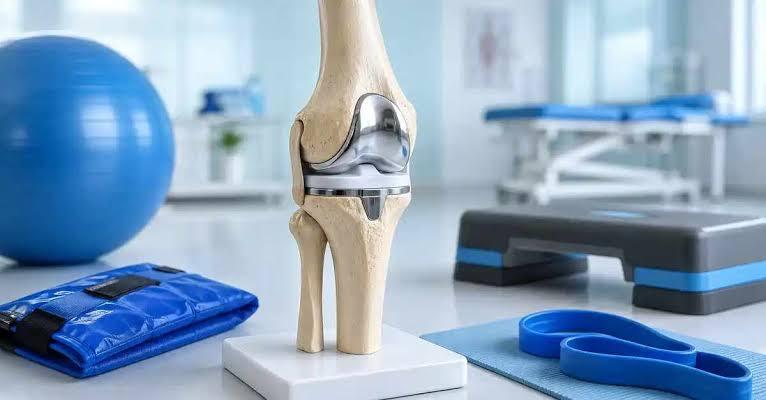
Joint replacement is a surgical procedure in which damaged parts of a joint are removed and replaced with artificial components designed to help restore movement and function.
It may be considered in certain cases of advanced osteoarthritis or severe joint damage when other treatments have not provided sufficient relief.
Common types include:
-
Knee replacement: It may be partial or total, depending on which parts of the joint are damaged.
-
Hip replacement: It may be used in selected cases of severe hip damage or advanced osteoarthritis.
-
Shoulder replacement: It may be considered for certain patients with severe joint damage or complex injuries.
The decision depends on symptom severity, the effect on daily life, and the findings from examination and imaging. The available alternatives, risks, and expected benefits should be discussed before surgery.
What Is the Difference Between Joint Reconstruction and Joint Replacement?
Although the terms may sometimes be used together, they describe different approaches.
Joint reconstruction aims to repair damaged structures or improve joint stability and function. It may involve ligament or cartilage repair or bone realignment, while preserving the natural joint whenever possible.
Joint replacement involves replacing damaged joint surfaces with artificial components when the damage is severe and replacement is considered appropriate.
The choice depends on the nature of the injury, the extent of damage, the patient's age, and functional needs rather than the name of the procedure alone.
How Is the Appropriate Surgery Determined?
Before deciding on joint surgery, the doctor needs to assess the patient's condition. This evaluation may include:
-
Reviewing the nature of the pain, when it occurs, and what makes it worse.
-
Examining the joint's range of motion and stability.
-
Assessing the strength of the surrounding muscles.
-
Reviewing X-rays or MRI scans when needed.
-
Considering medical history and previous injuries or operations.
-
Assessing the patient's mobility and ability to perform daily activities.
These findings help determine whether surgery is necessary and which procedure may be appropriate. Non-surgical alternatives should also be discussed when suitable.
What Are the Risks of Joint Surgery?
Like other surgical procedures, joint surgery carries potential risks that vary according to the operation and the patient's health.
Possible complications include:
-
Infection at the surgical site.
-
Bleeding or swelling.
-
Blood clots.
-
Joint stiffness or limited movement.
-
Persistent pain or less improvement than expected.
-
Injury to nearby nerves or blood vessels in certain cases.
-
Problems involving an artificial joint, such as wear, loosening, or the need for revision surgery in the future.
These complications do not occur in every patient, and their likelihood differs between procedures. Discussing the potential benefits, risks, and alternatives with the doctor is an important part of decision-making.
What Is Recovery Like After Joint Surgery?
Recovery varies according to the procedure, the joint treated, and the patient's health before surgery.
The recovery process may include:
-
Monitoring the wound and following care instructions.
-
Taking prescribed medication as directed.
-
Gradually returning to movement according to medical advice.
-
Physical therapy and rehabilitation when needed.
-
Attending follow-up appointments to assess tissue healing and joint movement.
There is no single recovery period that applies to everyone. Some procedures require a shorter rehabilitation period, while joint replacement and complex reconstruction may require longer-term follow-up and rehabilitation programs.
Joint Surgery and Reconstruction at Ortho Care Clinic in Marsa Matrouh
If you experience persistent pain in your knee, hip, or shoulder, or have difficulty moving because of an injury or joint problem, a medical assessment can help identify the cause and determine suitable treatment options.
You can contact Ortho Care Clinic – Dr. Mohamed Salam and Dr. Mansoub El-Shal to inquire about assessment and information related to joint problems in Marsa Matrouh.
📍 Address: Marsa Matrouh, Matrouh Governorate, Egypt.
📞 For appointments and inquiries: 01097904507
Conclusion
Joint surgery and reconstruction include several procedures, ranging from arthroscopic repair of ligaments and cartilage to bone realignment and joint replacement when required.
The appropriate approach depends on the diagnosis, extent of damage, and the patient's overall health. Surgery is not the first option for every joint problem. Medical assessment, discussion of available alternatives, and appropriate rehabilitation after surgery help guide a treatment plan that meets each patient's needs.
