
🧒 Juvenile Arthritis in New Cairo | Symptoms and Diagnosis with Prof. Dr. Doaa Salah Atta
Are you sure your child is not suffering from juvenile arthritis? 🤔
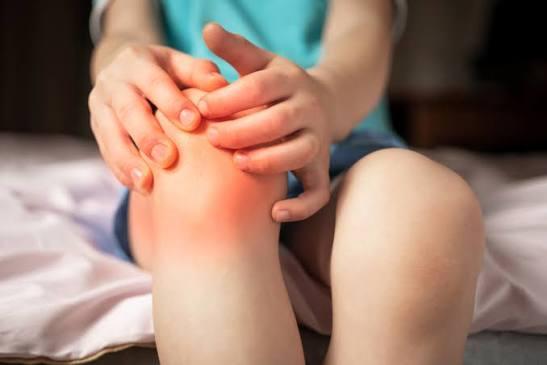
If you notice that your child wakes up in the morning with joint stiffness, difficulty moving, pain, or swelling in a particular joint, or refuses to use a certain arm or leg, these symptoms should not always be dismissed as laziness or simple fatigue from playing.
Sometimes, these symptoms may be related to a condition known as juvenile idiopathic arthritis (JIA), a group of inflammatory diseases that can affect children and adolescents and impact their joints and mobility.
When symptoms are persistent or recurrent, early medical evaluation becomes an important step in identifying the underlying cause and developing an appropriate treatment and follow-up plan.
📍 Prof. Dr. Doaa Salah Atta – Professor and Senior Consultant of Rheumatology and Joint Diseases
Prof. Dr. Doaa Salah Atta is a highly experienced specialist in rheumatology, joint diseases, and autoimmune disorders. She combines academic expertise with clinical practice and specialized medical consultations.
Her professional experience includes:
-
Professor and Senior Consultant of Rheumatology and Joint Diseases at the Faculty of Medicine.
-
Rheumatology Consultant at Naseem Hospital.
-
Head of the Rheumatology Department at HNH Hospital in Riyadh.
Managing rheumatology and joint conditions requires a comprehensive understanding of the patient's symptoms and medical history, followed by a thorough examination, appropriate investigations, and an individualized treatment and follow-up plan.
⚠️ What Is Juvenile Arthritis?
The term juvenile arthritis is commonly used to describe inflammatory joint conditions that affect children, while the broader medical term is juvenile idiopathic arthritis.
Juvenile idiopathic arthritis refers to a group of inflammatory conditions that may develop during childhood or adolescence and can affect one or several joints.
Symptoms can vary significantly from one child to another, so the diagnosis cannot be based on a single symptom alone.
Early diagnosis and appropriate follow-up are important for controlling inflammation and reducing its impact on the child's mobility and daily activities.
🌅 Morning Joint Stiffness in Children – Could It Be Juvenile Arthritis?
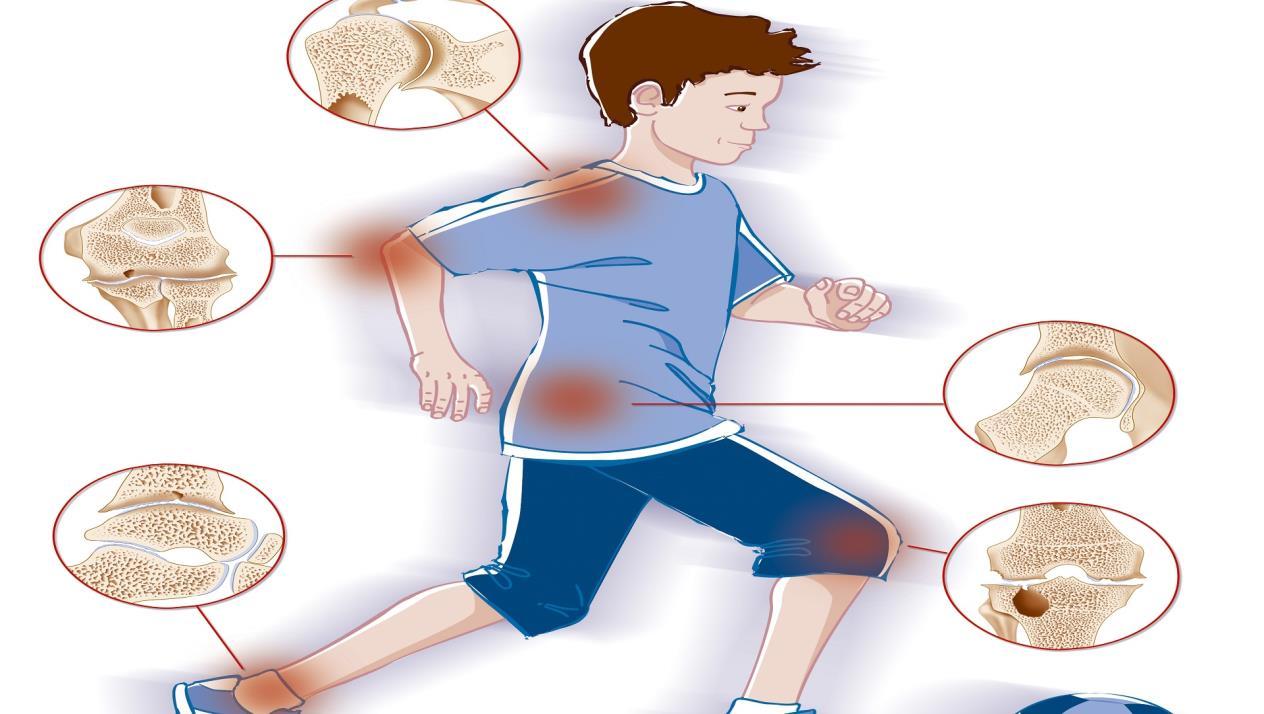
One of the symptoms that deserves attention is morning joint stiffness.
A child may wake up and have difficulty moving a particular joint or appear slower than usual during the early part of the day, with movement gradually improving afterward.
Morning stiffness does not necessarily mean that a child has juvenile arthritis. However, it becomes more significant when it occurs repeatedly or is accompanied by swelling, pain, or noticeable difficulty with movement.
Therefore, if you notice these symptoms repeatedly, it is better not to ignore them or simply consider them normal morning tiredness.
🔎 What Are the Symptoms of Juvenile Arthritis in Children?
The symptoms of juvenile arthritis can vary from one child to another. Common signs that deserve attention include:
-
Joint stiffness, especially in the morning.
-
Swelling in one or more joints.
-
Recurring joint pain.
-
Difficulty moving an arm or leg.
-
Refusing to use a particular hand or leg.
-
Difficulty walking or changes in the child's walking pattern.
-
Limping without an obvious injury.
-
Reduced activity and movement.
-
Difficulty performing activities that the child previously did easily.
In some cases, symptoms may be mild at first. Therefore, paying attention to changes in a child's movement and behavior can help identify potential problems early.
👧 Does Every Child With Joint Pain Have Juvenile Arthritis?
No.
Joint pain in children can occur for many different reasons, including injuries, physical overexertion, infections, or other medical conditions.
Therefore, a child should not be diagnosed with juvenile arthritis simply because of pain in the knee, hand, or foot.
What matters is the persistence or recurrence of symptoms and the presence of other associated signs, such as swelling, morning stiffness, or difficulty moving.
For this reason, medical evaluation is recommended when symptoms persist or interfere with the child's daily activities.
🩺 How Is Juvenile Arthritis Diagnosed?
Diagnosing juvenile arthritis does not depend on a single laboratory test.
The doctor usually begins by asking the parents about the nature and duration of the symptoms, when they occur, which joints are affected, and how the condition impacts the child's movement.
A physical examination of the joints and movement is then performed. Depending on the findings, the doctor may recommend specific laboratory tests or imaging studies.
The evaluation may include:
-
Reviewing the child's medical history.
-
Examining the joints and range of movement.
-
Assessing pain, swelling, and stiffness.
-
Performing appropriate laboratory tests when necessary.
-
Using imaging studies in selected cases.
-
Ruling out other conditions that may cause similar symptoms.
Therefore, accurate diagnosis requires a comprehensive medical assessment rather than relying on a single test result.
💊 How Is Juvenile Arthritis Treated?
Treatment for juvenile arthritis varies from one child to another. The treatment plan depends on the type of condition, the number of affected joints, the severity of inflammation, and how much the condition affects the child's movement.
Treatment may include medications to control inflammation and pain, along with regular medical follow-up.
In some cases, physical therapy and appropriate exercises may also be part of the management plan to help maintain joint mobility and improve the child's ability to perform daily activities.
The appropriate treatment is determined by the doctor according to the child's individual needs and the results of examination and follow-up.
🧘♀️ Does a Child With Juvenile Arthritis Need Lifestyle Changes?
Maintaining appropriate movement and physical activity can be an important part of managing joint conditions. However, the suitable type and level of activity depend on the child's condition and the affected joints.
Children should not be completely restricted from movement without medical advice, and they should not be forced to participate in activities that cause pain.
Appropriate medical guidance can help determine suitable activities while also considering nutrition, lifestyle, and regular medical follow-up.
🌿 Why Does Dr. Doaa Salah Follow a Comprehensive Approach?
Dr. Doaa Salah's medical approach focuses on understanding the patient's condition as a whole rather than focusing on an isolated symptom.
Rheumatic and autoimmune diseases may sometimes involve different systems of the body, which makes a comprehensive assessment important for understanding the complete clinical picture.
Dr. Doaa combines academic experience with clinical practice, focusing on early diagnosis, appropriate investigations, continuous follow-up, and practical guidance that helps patients and families better understand and manage their conditions.
She also focuses on explaining diagnostic and treatment steps clearly, helping reduce anxiety and enabling patients and their families to better understand the condition and its management.
⭐ Why Choose Prof. Dr. Doaa Salah Atta?
Choosing the right specialist for rheumatology and joint conditions depends on medical expertise, specialization, and the ability to evaluate the condition comprehensively.
Dr. Doaa Salah Atta combines experience in:
-
Academic medicine as a professor at the Faculty of Medicine.
-
Consultant-level care in rheumatology and joint diseases.
-
Management of autoimmune and rheumatic conditions.
-
Clinical practice across different medical institutions.
-
Leadership experience as Head of the Rheumatology Department at HNH Hospital in Riyadh.
-
A focus on diagnosis, treatment, and long-term follow-up rather than treating isolated symptoms.
📍 Dr. Doaa Salah's Clinic in New Cairo
Appointments with Dr. Doaa Salah in New Cairo are available at:
HCC Medical Building
90th Street – Behind Air Force Hospital
Second Floor – Clinic 215 – The Clinic
⏰ Consultation Hours
Wednesday from 11:00 AM to 3:00 PM.
📞 Appointment & Inquiry Numbers
01012373337
01033927700
0228124215
0228124216
It is recommended to call in advance to confirm available appointment times and schedule a consultation.
❤️ When Should You Have Your Child Evaluated?
If your child repeatedly experiences morning joint stiffness, joint swelling, persistent pain, difficulty moving, changes in walking, or refuses to use one of the limbs normally, these symptoms should not be ignored.
The cause may not necessarily be juvenile arthritis, but persistent symptoms deserve medical evaluation to identify the underlying cause.
Early evaluation can help identify conditions that require specialized follow-up and may support better maintenance of the child's mobility, activity, and quality of life.
Prof. Dr. Doaa Salah Atta – Professor and Senior Consultant of Rheumatology and Joint Diseases provides specialized medical care for rheumatology, joint, and autoimmune conditions, with a clinic in New Cairo for consultations according to the available schedule.