🩺 Juvenile Idiopathic Arthritis (JIA) in Children | Prof. Doaa Salah Atta
If your child experiences joint swelling, stiffness in the morning, or repeated limping without an obvious cause, these symptoms may require medical evaluation. One possible condition is Juvenile Idiopathic Arthritis (JIA), a group of inflammatory joint conditions that can affect children and require specialized assessment and follow-up.
Evaluation by a rheumatology and joint specialist can help identify the cause of the symptoms, rule out other conditions, and determine the appropriate management options based on the child's individual needs.
📞 Book an appointment or inquire with Prof. Doaa Salah Atta:
🔎 What Is Juvenile Idiopathic Arthritis?
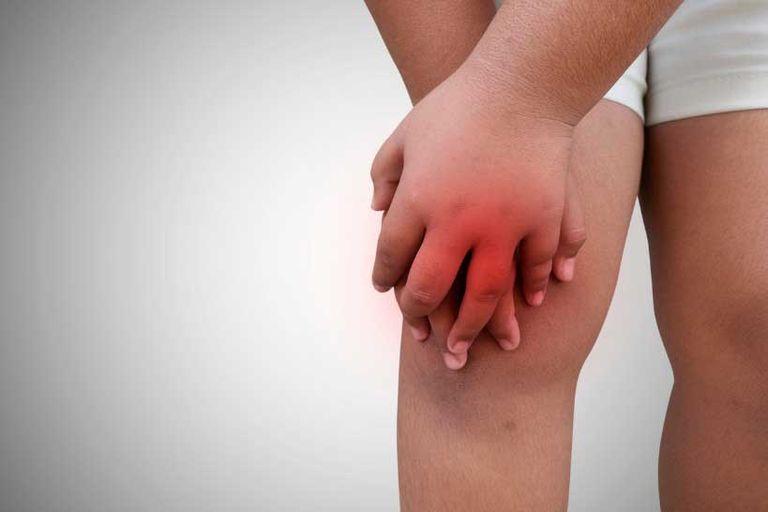
Juvenile Idiopathic Arthritis (JIA) refers to a group of inflammatory arthritis conditions that begin before the age of 16 and generally involve persistent joint inflammation lasting at least six weeks, after other possible causes have been excluded.
The condition may affect one joint or several joints, and its symptoms and course can vary from one child to another. Some types may also be associated with symptoms outside the joints, such as fever or skin rash. In certain cases, inflammation can affect the eyes without causing obvious symptoms at first. <Cite refs={["turn217964search0","turn217964search3"]}/>
⚠️ What Are the Symptoms of Juvenile Idiopathic Arthritis?
Symptoms vary depending on the type of JIA and the joints involved. Possible signs include:
-
Swelling in one or more joints.
-
Joint stiffness, particularly in the morning.
-
Pain or difficulty moving a joint.
-
Limping or changes in the way a child walks.
-
Reduced interest in playing or physical activity.
-
Difficulty using the hands or performing everyday tasks.
-
Recurrent fever or a skin rash in some types of JIA.
Younger children may not be able to describe their pain clearly. Instead, parents may notice that the child avoids walking, stops using one arm or leg normally, or becomes less active than usual.
These symptoms do not necessarily mean that a child has JIA, but persistent or recurring symptoms should be assessed by a medical professional.
🩺 When Should a Child See a Rheumatology Specialist?
A medical assessment is recommended if your child has persistent joint swelling, repeated morning stiffness, unexplained limping, or difficulty moving that does not improve.
Sudden severe pain and swelling in a single joint, particularly when the joint is hot or red or the child has a fever, requires urgent medical assessment. These symptoms can indicate other conditions, including an infection, that may need prompt treatment. <Cite refs={["turn217964search3","turn217964search7"]}/>
🧬 Why Is It Called “Idiopathic”?
The term idiopathic means that the exact cause of the condition is not known in many cases. It does not mean that the child's symptoms are unexplained or unreal.
Diagnosis depends on the clinical findings, the duration of inflammation, and the exclusion of other conditions that may cause similar symptoms.
For this reason, JIA cannot be confirmed based on one symptom or a single laboratory test. The doctor needs to evaluate the overall clinical picture.
🔬 How Is Juvenile Idiopathic Arthritis Diagnosed?
There is no single laboratory test that confirms JIA in every child. Evaluation usually begins with a detailed discussion of the symptoms and when they started, followed by an examination of the joints, movement, and the child's general health.
The assessment may include:
🩺 Clinical Examination
The doctor examines joints with swelling or stiffness and assesses movement, pain, and the impact of symptoms on daily activities.
📑 Blood Tests and Imaging
Depending on the symptoms and examination findings, the doctor may request blood tests or imaging studies to assess inflammation and help rule out other conditions.
👁️ Eye Examinations When Needed
Some types of JIA are associated with inflammation inside the eye that may not cause noticeable symptoms. The doctor may therefore recommend regular eye examinations according to the child's type of arthritis and individual risk factors. <Cite refs={["turn217964search0","turn217964search3"]}/>
💊 How Is Juvenile Idiopathic Arthritis Managed?
Management depends on the type of JIA, the number of affected joints, the severity of inflammation, the impact on movement, and whether other symptoms are present.
Depending on the medical assessment, treatment may include medicines to reduce inflammation, medications that help control disease activity, and physical or occupational therapy when needed.
The goals are to control inflammation and symptoms, preserve joint movement and function, and reduce the risk of complications. The doctor determines the appropriate medication, dosage, and follow-up schedule according to the child's condition. Rheumatology medications should not be started, stopped, or changed without medical supervision. <Cite refs={["turn217964search0","turn217964search7"]}/>
🧒 Can Juvenile Idiopathic Arthritis Affect a Child's Daily Life?
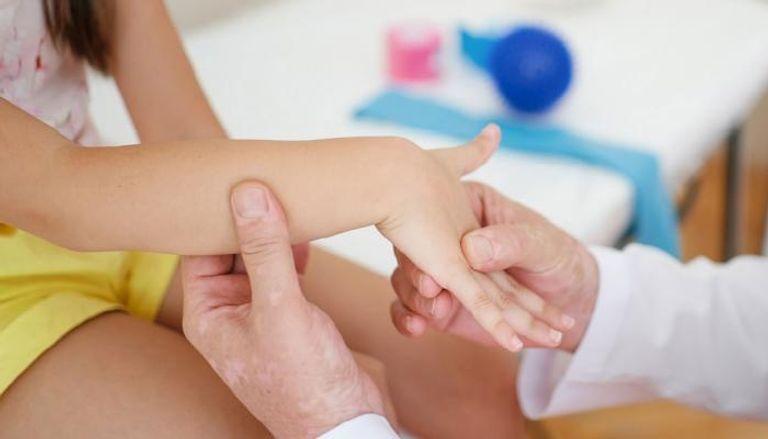
Symptoms may affect walking, playing, writing, and school activities, particularly when pain or stiffness persists. However, the impact varies between children, and appropriate treatment and regular follow-up may help improve mobility and support participation in daily activities.
Parents can support their child's care by monitoring changes in symptoms, attending scheduled appointments, following the medical plan, and informing the healthcare team about any new concerns.
❓ Can Juvenile Idiopathic Arthritis Affect the Eyes?
Yes. Some types of JIA may be associated with inflammation inside the eye, and this can occur without obvious symptoms at first. A doctor may therefore recommend routine eye screening even when the child has no visual complaints. The recommended frequency depends on the type of JIA and the child's individual risk factors. <Cite refs={["turn217964search0","turn217964search1"]}/>
If your child develops eye redness, eye pain, or changes in vision, seek appropriate medical assessment rather than ignoring the symptoms.
👩⚕️ Prof. Doaa Salah Atta – Professor and Senior Consultant in Rheumatology and Joint Diseases
If your child has joint swelling, morning stiffness, or difficulty moving and you are looking for a specialist assessment, you can contact Prof. Doaa Salah Atta, Professor and Senior Consultant in Rheumatology and Joint Diseases, to inquire about an appointment and discuss your child's symptoms and available medical reports.
📞 Appointment and inquiry numbers:
📍 Prof. Doaa Salah Atta Clinic in Fifth Settlement, New Cairo
Address:
HCC Medical Building, 90th Street, behind Air Force Specialized Hospital, second floor, Clinic 215 – The Clinic Medical Clinics.
⏰ Consultation hours:
Wednesday, 11:00 AM to 3:00 PM.
For appointments and consultations at all branches, please call the numbers listed above to confirm availability and arrange a suitable appointment according to the clinic schedule.
📞 Book an Appointment to Evaluate Your Child's Joint Symptoms
If you notice recurring joint swelling, morning stiffness, limping, or changes in your child's usual activity, avoid relying on self-diagnosis. A medical assessment can help identify the possible cause and determine the appropriate next steps.
Contact Prof. Doaa Salah Atta to inquire about appointments and book a consultation.
📱 01022222548 – 01012373337 – 01033927700
☎️ 0228124215 – 0228124216
📍 Fifth Settlement: HCC Medical Building, 90th Street, behind Air Force Specialized Hospital, second floor, Clinic 215 – The Clinic Medical Clinics.
This article is intended for general educational purposes and does not replace medical advice or examination. Diagnosing Juvenile Idiopathic Arthritis and determining the appropriate treatment require an individual assessment by a qualified medical professional.