Thyroid Disorders: Key Symptoms and When Treatment or Surgery May Be Needed | Dr. Ahmed Yousry Awad
📞 For appointments and inquiries with Dr. Ahmed Yousry Awad:
01551212969
Thyroid disorders are among the conditions that can affect several important functions throughout the body. The thyroid gland produces hormones that help regulate metabolism, energy levels, body temperature, and other vital processes. As a result, problems with thyroid function may cause a wide range of symptoms that can sometimes be difficult to connect directly to the thyroid.
Accurate diagnosis and appropriate medical evaluation are therefore important when persistent or unusual symptoms appear.
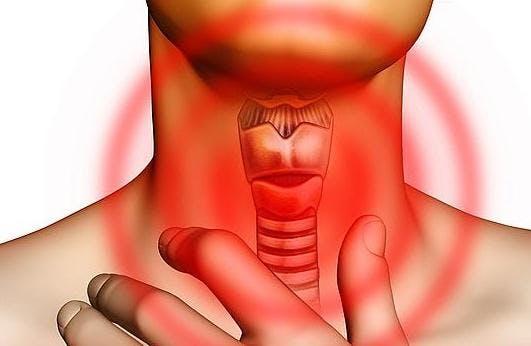
What Is the Thyroid Gland?
The thyroid is a small, butterfly-shaped gland located at the front of the neck.
It produces important hormones that help regulate the body's metabolism and energy use and influence the function of several organs.
When the thyroid produces either too little or too much of these hormones, various symptoms may develop. The symptoms and their severity can vary from one person to another.
What Are the Most Common Thyroid Disorders?
There are several conditions that can affect the thyroid gland. Some of the most common include:
Hypothyroidism
Hypothyroidism occurs when the thyroid gland does not produce enough thyroid hormones for the body's needs.
Possible symptoms include:
-
Fatigue and low energy.
-
Weight gain.
-
Increased sensitivity to cold.
-
Dry skin.
-
Constipation.
-
A slower heart rate in some cases.
-
Difficulty concentrating or feeling mentally slowed down.
-
Menstrual changes in some women.
These symptoms alone do not confirm hypothyroidism. Proper medical evaluation and appropriate laboratory tests are needed for diagnosis.
Hyperthyroidism
Hyperthyroidism occurs when the thyroid produces more hormones than the body needs.
Possible symptoms include:
-
Unexplained weight loss.
-
Rapid heartbeat.
-
Increased sweating.
-
Increased sensitivity to heat.
-
Anxiety or nervousness.
-
Tremors.
-
Difficulty sleeping.
-
More frequent bowel movements.
Symptoms can vary in severity, and not every patient experiences all of them.
What Causes Thyroid Problems?
The causes of thyroid disorders vary depending on the type of condition.
Some thyroid diseases are associated with autoimmune disorders, while others may be related to thyroid nodules, inflammation, or other factors.
Because there are several possible causes, symptoms alone are not enough to determine the underlying problem.
What Are Thyroid Nodules?
Thyroid nodules are abnormal areas or lumps that develop within the thyroid gland.
Their nature can vary. Many thyroid nodules are benign, while some require further evaluation to determine their characteristics.
A patient may notice a lump or swelling in the neck, while some nodules are discovered incidentally during imaging performed for another medical reason.
Does an Enlarged Thyroid Mean a Serious Problem?
Not necessarily.
Thyroid enlargement can have several causes. Evaluation may depend on the size of the enlargement, thyroid function, the presence of nodules, and any associated symptoms.
For this reason, a new swelling or lump in the neck should be medically evaluated to determine its cause and the appropriate next step.
What Thyroid Symptoms Require Medical Evaluation?
A medical consultation is recommended when symptoms persist or unusual changes occur, particularly in cases involving:
-
A lump or swelling in the neck.
-
Difficulty swallowing.
-
Persistent voice changes.
-
Difficulty breathing.
-
Significant unexplained changes in weight.
-
Palpitations or an irregular heartbeat.
-
Severe or persistent fatigue.
-
Significant changes in tolerance to heat or cold.
These symptoms do not necessarily mean that a thyroid disorder is present, but they may require medical evaluation to identify the underlying cause.
How Are Thyroid Disorders Diagnosed?
Diagnosis usually begins with a review of symptoms and medical history, followed by a physical examination.
The doctor may request thyroid function tests such as TSH and Free T4, depending on the suspected condition.
When thyroid nodules or enlargement are present, a thyroid ultrasound may be used to evaluate the gland and examine the characteristics of any nodules.
In some cases, a fine-needle biopsy may be recommended to examine a thyroid nodule more closely, depending on the medical assessment and imaging findings.
Do All Thyroid Nodules Require Surgery?
No.
The presence of a thyroid nodule does not automatically mean that surgery is necessary.
The decision depends on several factors, including the size and characteristics of the nodule, imaging results, biopsy findings when required, symptoms, and the overall clinical assessment.
Based on these factors, the doctor may recommend monitoring, medical management, additional evaluation, or surgical treatment.
When May Thyroid Surgery Be Needed?
Surgery may be considered in selected cases, including certain thyroid cancers or nodules that require removal, significant thyroid enlargement that causes pressure on nearby structures, or situations where other treatment options are not appropriate.
The need for surgery should be determined after a comprehensive evaluation and review of the relevant test results.
Why Is Follow-Up Important After a Thyroid Diagnosis?
Medical follow-up is an important part of managing thyroid disorders.
Some patients may need regular thyroid function tests, medication adjustments, or periodic monitoring of thyroid nodules and their development over time.
The frequency of follow-up depends on the type of thyroid disorder, the treatment being used, and the patient's overall health.
Dr. Ahmed Yousry Awad
Dr. Ahmed Yousry Awad provides medical evaluation and consultation for patients with thyroid-related conditions and helps determine the appropriate diagnostic and treatment approach based on each patient's condition.
📍 Clinic Address
Giza / Faisal Clinic
Plaza Medical Tower – First Faisal – Above Gomla Market – 4th Floor.
🕒 Clinic Hours
Saturday and Tuesday: 7:00 PM – 10:00 PM
📞 Appointments and Inquiries
Conclusion
Thyroid disorders can cause a wide range of symptoms, from changes in weight and energy levels to swelling or nodules in the neck.
Symptoms alone cannot determine the exact thyroid condition. Medical evaluation and appropriate diagnostic tests are important for reaching an accurate diagnosis and developing a suitable treatment plan.
The presence of a thyroid nodule or enlargement does not necessarily mean that surgery is required. The decision depends on the patient's condition, examination findings, imaging results, and other necessary investigations.
Dr. Ahmed Yousry Awad