Your Oral and Dental Health: More Than Just a Beautiful Smile
Have you ever thought that the health of your mouth and teeth is not just a matter of aesthetics, but a mirror of your overall health? Healthy teeth not only give you an attractive smile, but they also play a crucial role in digestion, speech, and even in preventing heart disease and diabetes.
Tooth decay, gum inflammation, or tooth loss may seem like minor issues at first, but they can lead to serious health complications if not properly addressed.
In this scientific article, we will take you on a comprehensive and detailed journey into the world of teeth, revealing everything about dental anatomy, diseases, diagnostic methods, the latest treatments and techniques, and the best prevention strategies.
Whether you are looking for a simple cavity treatment, advanced dental implants, or a perfect smile through cosmetic dentistry, this article will guide you step by step, supported by the latest medical research and modern dental technologies.
Chapter 1: Anatomy of the Teeth and Mouth
Types of Teeth and Their Functions
Incisors: Located at the front of the mouth, their function is to cut food into small pieces.
Canines: The pointed teeth next to the incisors, they help in tearing food.
Molars & Premolars: Located at the back, their function is to grind food and prepare it for digestion.
Internal Structure of the Tooth
Enamel: The hard outer layer that protects the teeth from decay and injuries.
Dentin: The inner layer that protects the pulp and supports the enamel.
Pulp: Contains nerves and blood vessels, serving as the tooth’s center of sensitivity.
Gums, Bone, and Supporting Nerves
Gingiva (Gums): Tissue surrounding the teeth that protects the bone.
Alveolar Bone: Supports the teeth and holds them in place.
Nerves: Sense external stimuli and alert the body to any injury.
Chapter 2: Dental and Oral Diseases
Tooth Decay (Caries)
Occurs due to plaque buildup, where bacteria convert sugars into acids that attack the enamel, creating holes that may reach the pulp.
Factors: Poor oral hygiene, sugar consumption, dry mouth.
Stages: White spots → enamel erosion → decay reaching dentin and pulp.
Treatment: Dental filling, root canal treatment, or extraction in advanced cases.
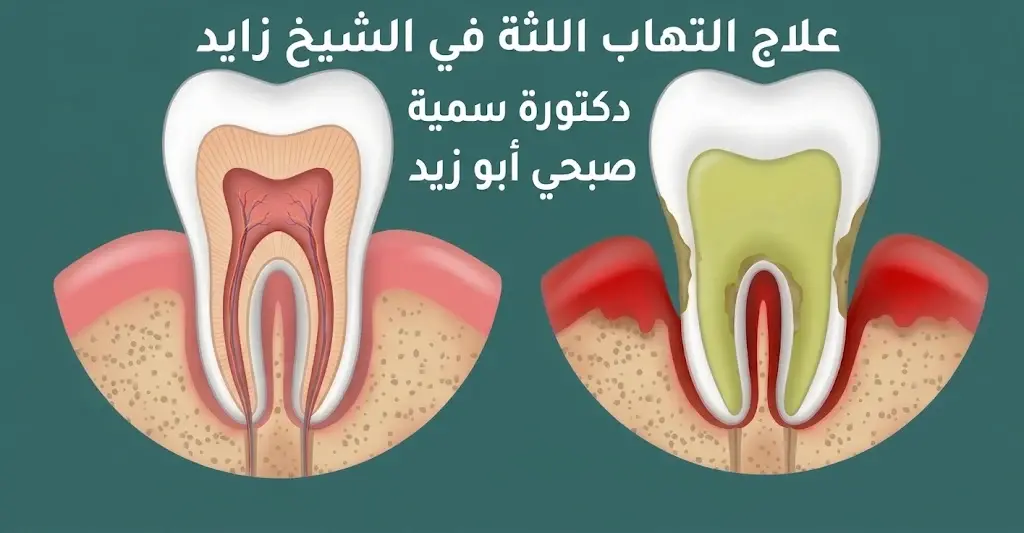
Gum Diseases
Include inflammation and gum recession due to tartar and bacterial buildup.
Symptoms: Bleeding, bad odor, gum recession.
Treatment: Tartar cleaning, antibiotics, and in advanced cases, periodontal surgery.
Oral Infections
Include mouth ulcers, yeast infections, and oral herpes.
Tooth Sensitivity
Occurs when dentin is exposed, causing pain with hot or cold foods and drinks.
Treatment: Special toothpastes, fluoride applications, or protective fillings.
Bite Problems and Headaches
Malocclusion may cause chronic headaches, jaw and temporomandibular joint pain, and difficulty chewing.
Chapter 3: Diagnosis and Examinations
Clinical Examination
Detecting cavities using a probe or dyes.
Evaluating gums and measuring pocket depth.
Checking bite alignment to ensure proper tooth contact.
Dental Imaging
Panoramic X-ray: To detect impacted or misaligned teeth.
Digital X-ray: Higher accuracy with lower radiation.
3D (CBCT) Scan: Three-dimensional view of jaws and teeth, useful for implants.
Laboratory Tests
Infection tests or blood tests when necessary.
Chapter 4: Dental Treatments
Dental Fillings and Root Canal Treatment
Dental Fillings: Removing decay and filling the cavity with a suitable material.
Root Canal Treatment: Removing the pulp when decay reaches it, cleaning and disinfecting the canals.
Advantages of Root Canal: Preserves the tooth, relieves pain, prevents infection spread.
Tooth Extraction
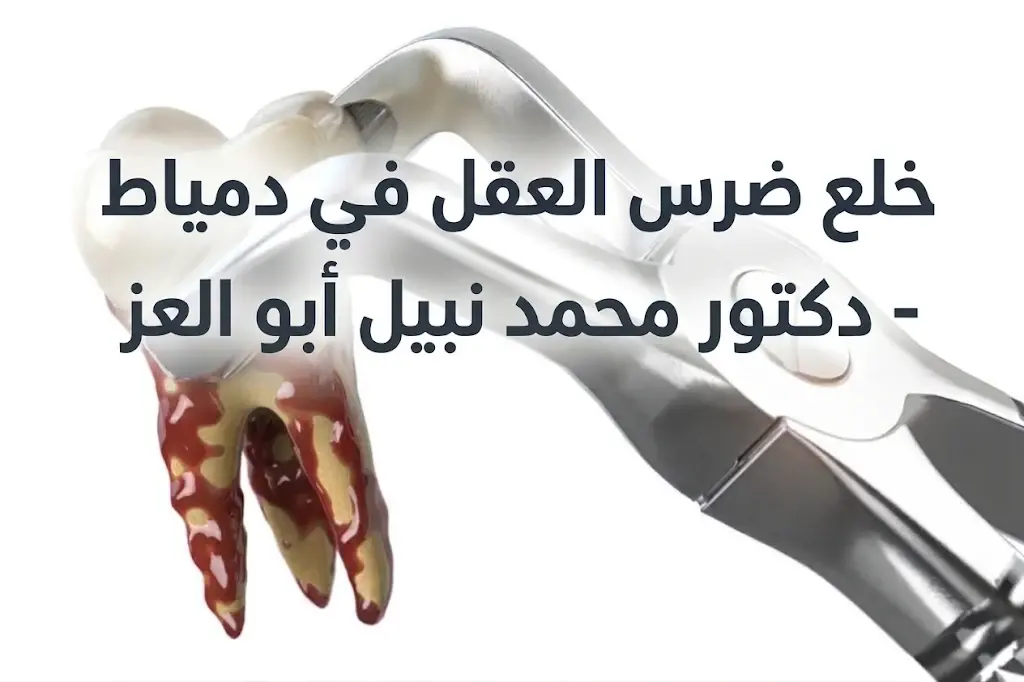
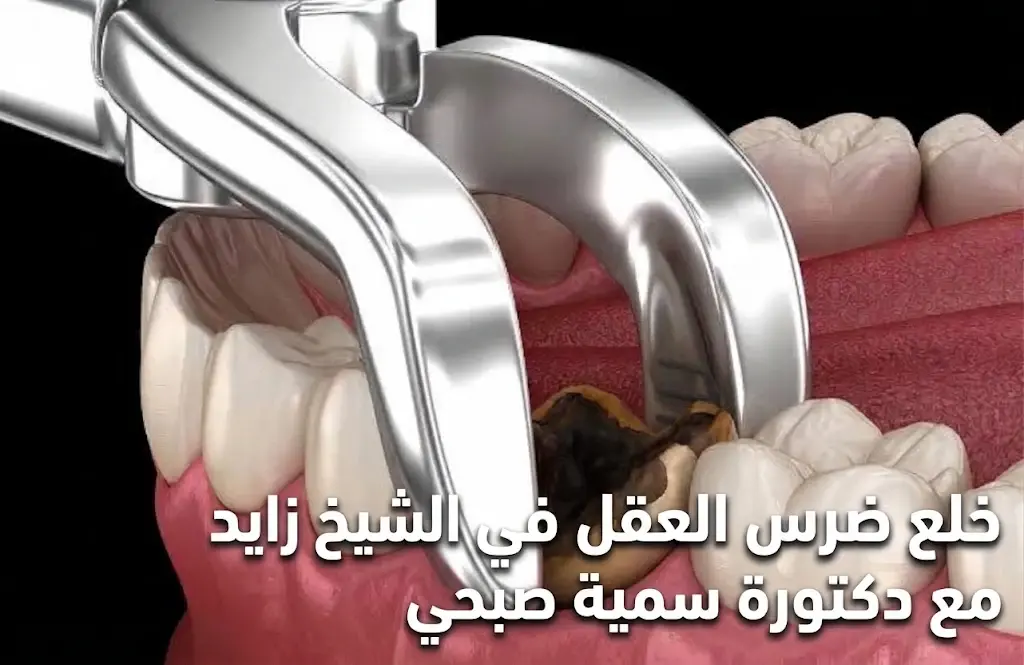
A last resort when the tooth is severely damaged or infected, with post-extraction care instructions.
Gum Treatments
Tartar removal, periodontal surgery, and gum grafts to cover exposed tooth roots.
Dental Implants
Types of Implants: Titanium and zirconia.
Steps: Diagnosis, implant placement, healing period, and final crown placement.
Orthodontics (Braces)
Types of Braces: Metal, ceramic, and clear aligners.
Treatment Duration: 6 months to 3 years depending on the case.
Chapter 5: Cosmetic Dentistry
Teeth Whitening
Methods: Laser, whitening gels, and medicated pastes under a dentist’s supervision.
Results: Fast results, with the need to maintain healthy dietary habits.
Veneers
Types: Lumineers, porcelain veneers.
Benefits: Improve tooth shape, correct imperfections, and create a natural, attractive smile.
Crowns and Bridges
Crowns: Protect teeth after deep fillings or fractures.
Bridges: Replace missing teeth by fixing artificial teeth in place.
Chapter 6: Prevention and Daily Care
Brush teeth twice daily and use dental floss every day.
Use an antibacterial and fluoride mouthwash.
Healthy Nutrition: Reduce sugar intake and consume calcium and vitamin D.
Regular dental visits for early detection and tartar cleaning.
Chapter 7: Latest Dental Technologies
Laser: Removing decay, whitening teeth, and treating gum infections.
3D Printing: Producing crowns and bridges with high precision.
Modern Anesthesia: Reduces pain and anxiety during procedures.
Artificial Intelligence: Analyzing X-rays and designing customized treatment plans.
Chapter 8: Dental Issues by Age
Children
Teething and baby tooth decay.
Prevention: Clean the child’s teeth with a small brush, reduce sugar intake, and schedule regular dental check-ups.
Elderly
Tooth loss, osteoporosis, and effects of chronic diseases like diabetes.
Dental implants restore chewing ability and natural appearance.
Teeth and Overall Health
Oral Diseases Linked to General Health
Diabetes: Affects gum health and increases risk of cavities.
Heart Disease: Chronic gum infections may increase the risk of heart problems.
Weak Immunity: Makes a person more prone to oral infections.
Dental Problems from Bad Habits
Bruxism (Teeth Grinding): Causes tooth wear and jaw pain.
Chewing Hard Objects: Can lead to broken teeth.
Smoking: Causes tooth discoloration and gum inflammation.
Nutrition and Its Effect on Dental Health
Harmful Drinks: Coffee, tea, and soft drinks affect enamel.
Beneficial Foods: Fresh fruits and vegetables, and dairy products strengthen teeth.
Rare or Advanced Oral Conditions
Oral tumors.
Jaw and temporomandibular joint (TMJ) disorders.
Congenital dental deformities, such as double or asymmetrical teeth.
Teeth and Pregnancy
Pregnancy Gingivitis: Common during pregnancy.
Dental Care During Pregnancy: Regular cleaning to prevent cavities and gum infections.
Teeth and Other Modern Technologies
Smart Fillings: Antibacterial and extend the lifespan of the filling.
Home Digital Monitoring: Smart devices to check for cavities and gum health regularly.
Psychological and Social Impact of Teeth
Dental problems affect self-confidence.
A smile is a crucial part of social and professional life.
Teeth and Hormones
Hormonal changes (such as pregnancy, puberty, and menopause) affect gum health.
Thyroid problems may lead to abnormal tooth development or alveolar bone loss.
Teeth and Genetic Disorders
Amelogenesis Imperfecta: Weak or poorly formed enamel.
Dentinogenesis Imperfecta: Double teeth or incompletely formed teeth.
Effect of Medications on Dental Health
Some medications cause dry mouth, increasing the risk of cavities.
Other medications affect tooth color or enamel quality.
Teeth, Injuries, and Sports
Use mouth guards during sports.
Apply first aid for broken or knocked-out teeth before reaching a dentist.
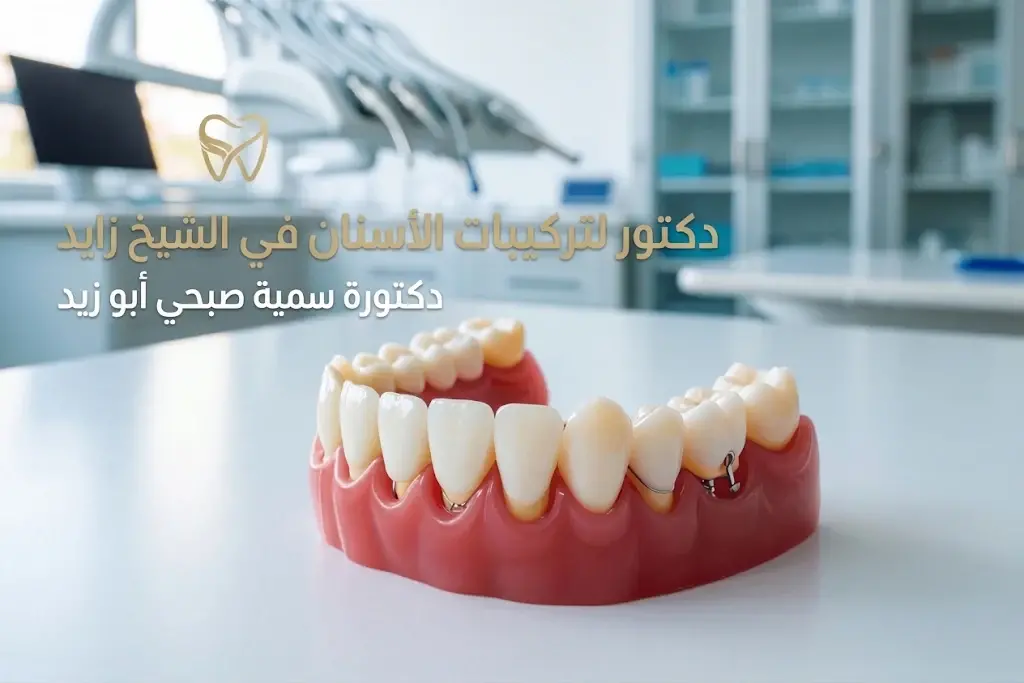
Dentures and Artificial Teeth
Types: Complete or partial, with materials varying depending on need.
Maintenance: Regular cleaning to prevent infections or bad odors.
Future Research and Preventive Dentistry
Gene therapies: To treat hereditary dental problems.
Vaccines against bacteria: To prevent cavities and gum disease.
Teeth in Medical Emergencies
Managing broken or knocked-out teeth in emergencies.
First aid for oral and facial accidents before seeing a dentist.
Dental Problems in Children and the Elderly
Children
Teething: Baby teeth appear at different stages, causing discomfort.
Baby Bottle Tooth Decay: Occurs when a child sleeps with milk or juice in the mouth.
Prevention:
Brush the child’s teeth twice daily with a small toothbrush.
Reduce sugary foods and sweetened juices.
Regular dental visits for early detection.
Dental Problems in the Elderly
Tooth Loss: Occurs due to aging or chronic diseases such as diabetes.
Osteoporosis and Its Effect on Teeth: Reduced alveolar bone density can make dental implants or dentures more difficult.
Dental Implants for Seniors: Restore chewing ability and a natural smile.
Daily Tips for Maintaining Dental Health
Brush teeth twice daily with a soft-bristled toothbrush.
Use dental floss daily to reach areas that the brush cannot.
Use a mouthwash containing fluoride and antibacterial agents.
Limit soft drinks, coffee, and tea to reduce enamel erosion.
Eat foods rich in calcium and vitamin D, such as milk, cheese, and spinach.
Drink enough water to maintain oral moisture and reduce bacterial growth.
Visit the dentist every six months for early detection of cavities and gum disease.
Schedule regular professional cleanings to prevent tartar buildup.
Follow personalized instructions based on your health status and lifestyle.
Latest Technologies and Innovations in Dentistry
Laser Technology: For cavity removal, teeth whitening, and gum treatments with minimal pain and bleeding.
3D Printing: To produce crowns, bridges, and surgical guides with high precision.
Modern and Comfortable Anesthesia: Local anesthetic techniques and digital devices to reduce pain and anxiety during procedures.
Artificial Intelligence: Analyzing digital X-rays for early detection of cavities and gum disease, and designing customized treatment plans for each patient.
The Impact of Dental Health on Various Aspects of Life
Teeth and Overall Health: Tooth decay and gum disease can affect the heart, diabetes management, and immunity.
Bad Habits: Smoking and teeth grinding (bruxism) can cause significant problems for teeth and the jaw.
Pregnancy and Hormones: Hormonal changes affect gum and dental health.
Children and the Elderly: Dental issues vary with age, requiring age-appropriate preventive care.
Psychological and Social Aspects: Dental problems can impact self-confidence, social interactions, and professional life.
Quick Chapter Summary
Teeth and Mouth Anatomy: Understanding tooth types and functions, enamel, dentin, pulp, gums, bone, and nerves.
Dental and Oral Diseases: Tooth decay, gum disease, infections, sensitivity, and bite problems.
Diagnosis and Examinations: Clinical exams, digital and panoramic X-rays, laboratory tests.
Dental Treatments: Fillings and root canals, extractions, gum treatments, implants, orthodontics.
Cosmetic Dentistry: Whitening, veneers, crowns, and bridges.
Prevention and Daily Care: Brushing, flossing, mouthwash, healthy nutrition, and regular dental visits.
Latest Technologies: Laser treatments, 3D printing, modern anesthesia, artificial intelligence.
Dental Problems by Age: Children and seniors, with stage-specific preventive measures.
Comprehensive Care: Linking oral health with general health, daily habits, psychological and social effects, pregnancy, and hereditary conditions.
Teeth, Genetics, and Hereditary Conditions
Hereditary Dental Diseases:
Amelogenesis Imperfecta: Underdeveloped or fragile enamel from birth.
Dentinogenesis Imperfecta: Weak dentin, resulting in fragile or incomplete teeth.
Genetic Effects on Tooth Development: Some children are born with double or misaligned teeth, which may require early treatment.
Teeth Protection During Sports and Injuries
Mouth Guards: Essential during sports to prevent fractures and injuries.
Dental First Aid: Managing broken or knocked-out teeth before seeing a dentist to reduce damage.
Dental Emergencies
Broken or Knocked-Out Teeth: How to act quickly before reaching a dentist.
Oral and Facial First Aid: Reducing pain and preserving teeth as much as possible.
Essential Tips for Maintaining a Healthy Smile
Brush twice daily and floss every day.
Use mouthwash containing antibacterial agents and fluoride.
Limit soft drinks, coffee, and tea, and stay hydrated with water.
Eat foods rich in calcium and vitamin D.
Visit the dentist every six months for early detection and regular tartar cleaning.
Follow personalized instructions based on age and health status.
Final Conclusion
Taking care of your teeth is not just about aesthetics—it is essential for your overall health.
A healthy, bright smile reflects your quality of life and impacts both your self-confidence and general well-being.
Maintaining daily oral hygiene, following a balanced diet, and attending regular dental check-ups are the best ways to prevent dental problems.
Misr Connect Recommendation: Top 5 Dentists
We recommend the top 5 dentists to ensure comprehensive oral care and a perfect smile that lasts a lifetime.
1- Dr. Mohamed Abdel Mawgoud
☎️ Phone/WhatsApp: 01552550052
📍 Address: 8 Mostafa El Nahas St. – Next to Al-Manhal Private Schools – Nasr City – Cairo
2- Dr. Sherif Taher Hegazy
☎️ Phone: 01026244931
📍 Address: 102 Makram Ebeid St. – In front of Etoile Sweets – Above Kiwan Pharmacy – 8th Floor – Nasr City – Cairo
3- Dr. Mahmoud Warad
☎️ Phone/WhatsApp: 01107216131
📍 Address: 8 Mostafa El Nahas St. – Next to Al-Manhal Private Schools – Nasr City – Cairo
4- Dr. Ahmed Abu Zeid
☎️ Phone: 01101055609
📍 Address: 35 El-Galaa St. – Ramses Square – 2nd Floor – In front of Azbakeya Police Station – Above Bab Hadid Pharmacy – Cairo Governorate
5- Dr. Mohamed Mohsen Mohamed
☎️ Phone: 01553830300
📍 Address: Clinic 345, Medical Center 3 Mall, Extension of Abu Dawood Al-Zahery St. – Nasr City – Cairo