Knee cartilage treatment in Tahrir.
Knee cartilage treatment today is more precise thanks to advanced medical techniques, including detailed diagnosis, minimally invasive surgery, intensive rehabilitation programs, and daily prevention tips to restore natural mobility with confidence.


General Introduction about the Importance of the Knee and Cartilage
The knee is one of the most important joints in the human body, as it bears the full weight of the body during walking, running, climbing, descending, and plays a key role in maintaining balance during daily and sports activities. The protective cartilage inside the joint acts as a natural cushion that reduces friction between bones and protects the joint from damage. Any injury or wear in the cartilage leads to chronic pain, swelling, joint stiffness, reduced ability to walk or perform sports, and can even result in complete loss of natural joint movement if not treated in time. Therefore, early diagnosis and a comprehensive treatment plan are essential to maintain knee health and ensure the safe and effective restoration of natural movement.
Main Causes of Knee Cartilage Injuries
There are several interrelated factors that cause knee cartilage injuries, which vary in severity depending on lifestyle, age, physical activity level, and general health condition. These include:
-
Sports injuries from knee twisting or sudden movements: Sports such as soccer, basketball, skiing, running, or any activity requiring rapid changes in body direction and knee movement are among the most common causes, as they place sudden pressure on the cartilage, potentially causing partial or complete tears.
-
Repetitive stress from daily activities: Routine movements such as climbing stairs daily, standing for long periods, and frequent bending increase pressure on knee cartilage over time, leading to gradual wear, pain, and stiffness.
-
Direct trauma or knee impact: Any direct blow or collision with a hard object due to an accident or fall can cause immediate cartilage injury, ranging from minor bruising to complete tears, often accompanied by severe swelling and acute pain.
-
Aging and cartilage degeneration: Over time, the thickness of the natural cartilage in the knee decreases, and the surrounding tissues lose elasticity, making older adults more prone to chronic cartilage injuries, stiffness, and persistent knee pain.
-
Excess weight and its direct effect on the knee: Overweight increases pressure on the knee during walking, climbing stairs, or standing, accelerates cartilage wear, exacerbates inflammation and chronic pain, and reduces the joint’s natural mobility.
Types of Knee Cartilage Damage
The severity of cartilage damage varies depending on its impact on knee function, and treatment is determined based on precise diagnosis:
-
Mild cartilage wear: This involves limited damage to the cartilage surface and usually does not require surgical intervention, as it can be managed with physical therapy and home exercises to strengthen surrounding muscles and restore joint mobility gradually.
-
Partial cartilage tear: In this case, the damage is more significant and often requires arthroscopic surgery to repair the affected part, followed by an intensive rehabilitation program to restore movement and strengthen surrounding muscles.
-
Complete or major cartilage damage: This is the most severe form, often requiring cartilage transplantation using autologous cells or artificial cartilage to replace damaged areas, along with advanced tissue regeneration techniques to restore normal joint function.
Detailed Medical Diagnosis of Knee Cartilage Injuries
Accurate diagnosis is crucial to determine the extent of damage and design an appropriate treatment plan, including:
-
X-rays: Used to evaluate bone integrity and detect fractures or deformities that may affect knee movement, providing a preliminary overview of joint condition.
-
Magnetic Resonance Imaging (MRI): The most precise tool for determining the size and location of cartilage damage, assessing the condition of tendons and surrounding tissues, and detecting internal injuries not visible on X-rays.
-
Clinical examination: Includes assessing knee stability, range of motion, muscle strength, and identifying precise painful areas to determine injury severity and its impact on daily joint function.
-
Additional tests: Such as measuring muscle strength around the knee, testing balance, and analyzing gait patterns to determine the exact needs for physical therapy and rehabilitation.
Modern Treatment Methods for Knee Cartilage Injuries
Comprehensive Conservative Treatment
This includes complete or partial rest, pain management using medications, intensive physical therapy to strengthen surrounding muscles, and knee support devices to reduce pressure on cartilage. This approach is effective for mild wear or partial tears that do not threaten normal joint function.
Arthroscopic Surgery
Arthroscopic surgery allows precise removal or repair of damaged cartilage with minimal invasive intervention, fewer complications, and faster rehabilitation compared to traditional surgery. It is commonly used for moderate or partial cartilage damage.
Cartilage Transplantation
In severe cases with complete cartilage damage, autologous cartilage cells or artificial cartilage are used to replace damaged areas, helping restore knee function almost naturally, reduce pain, and improve quality of life.
Stem Cell Therapy
Stem cell treatment helps stimulate tissue and cartilage regeneration, accelerates healing, and improves the quality of newly formed cartilage, making it effective for advanced cases or those unresponsive to conservative therapy.
Advanced Therapeutic Injections
These include Platelet-Rich Plasma (PRP) injections and hyaluronic acid injections to reduce inflammation, improve joint lubrication, promote healing, reduce pain, and enhance mobility before intensive strengthening exercises.
Comprehensive Physical Rehabilitation After Injury or Surgery
Phase One: Early Movement and Light Exercises
Begins immediately after treatment or surgery with gentle exercises that move the knee without bearing much weight to prevent stiffness and reduce pain. Knee response is monitored to safely adjust activity level.
Phase Two: Strengthening Muscles and Improving Flexibility
Includes focused exercises for the thigh, gluteal muscles, and knee tendons, along with flexibility exercises to restore full range of motion, reduce stress on cartilage, and enhance the ability to perform daily and sports activities.
Phase Three: Balance and Coordination to Prevent Future Injuries
This phase includes exercises focusing on balance and coordination between limbs, with gradual training for safe return to daily and sports activities, minimizing the risk of falls or recurrent injuries.
Regular follow-up with a physical therapist is essential to adjust exercise intensity according to patient progress and prevent complications or worsening of the injury.
Daily Tips for Prevention and Recovery
-
Strict adherence to daily home exercises to strengthen and improve knee flexibility.
-
Maintaining a healthy weight to reduce pressure on cartilage and prevent wear.
-
Avoiding sudden movements or intense sports before fully restoring joint strength.
-
Using a knee brace when needed to stabilize the joint during movement and protect it from sudden impact.
-
Healthy, balanced nutrition with an emphasis on proteins, vitamins, and essential minerals to support tissue healing and cartilage health.
Final Conclusion
By following a comprehensive treatment plan that includes accurate diagnosis, conservative or surgical treatment, structured physical rehabilitation programs, and proper nutrition, patients can restore natural knee movement, relieve chronic pain, gradually return to daily and sports activities safely and confidently, maintain long-term knee health, reduce the risk of future injuries, and improve overall quality of life.
Best geriatric doctor in Mohandessin for Alzheimer’s treatment, memory loss, and elderly care, offering comprehensive medical services for aging diseases under the supervision of Dr. Heba Mohamed Ezz El Arab, Senior Consultant of Geriatrics and Aging Diseases.
Children and Newborns: Everything You Need to Know About Caring for Your Child
Pregnancy is one of the most important stages in a woman’s life, and it requires careful medical follow-up to ensure the health and safety of both the mother and the baby throughout all stages of pregnancy. Early detection of pregnancy complications plays a vital role in preventing serious health problems and allows doctors to provide the appropriate treatment at the right time.
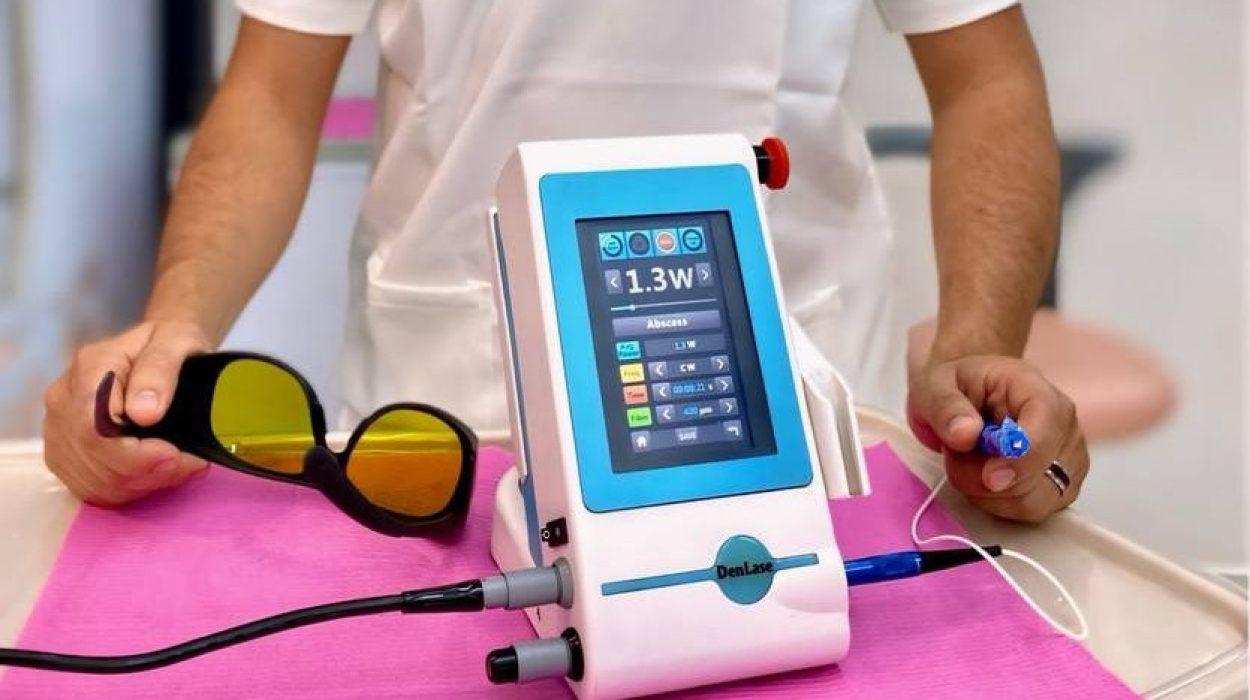
Get a brighter smile with advanced laser teeth whitening in Cairo by Dr. Ahmed Khaled Abu Zeid. Safe whitening technology removes stains and restores natural white teeth in just one session without pain or sensitivity.
