
How to Manage Uterine Fibroids: An Evidence-Based Guide to Symptoms, Fertility & Minimally Invasive Laparoscopy
Uterine fibroids affect millions of women during reproductive years. Determining their anatomical location, dimensions, and symptoms is the vital difference between routine watchful waiting and advanced laparoscopic intervention that safeguards both uterus and fertility.
🔬 What Are Uterine Fibroids and What Drives Their Growth?
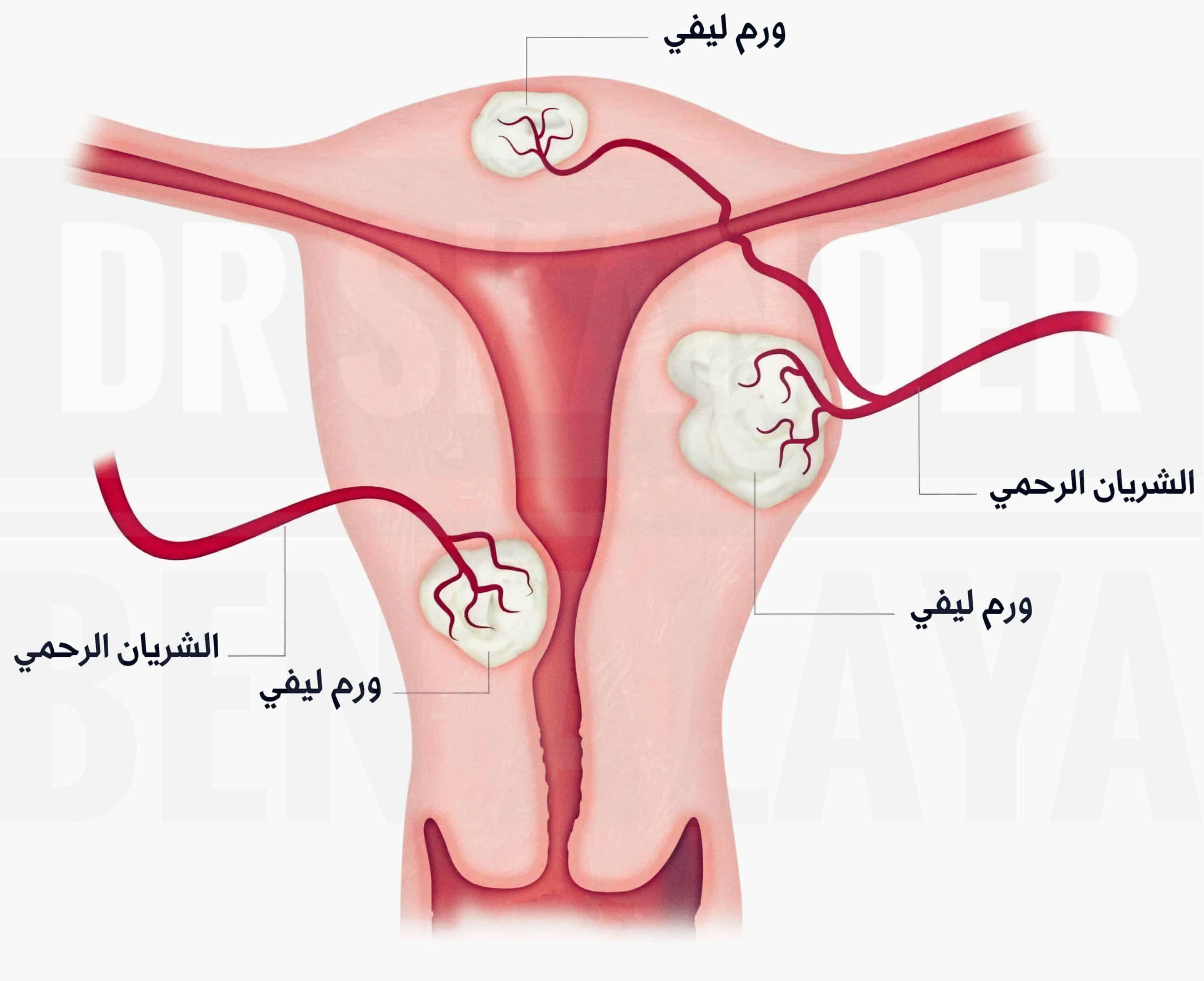
Uterine leiomyomas (commonly known as fibroids) are non-cancerous monoclonal tumors arising from the smooth muscle cells (myometrium) of the uterus. They vary from tiny seedling nodules to large multi-centimeter masses that can distort the uterine cavity and exert mechanical pressure on adjacent pelvic organs.
Their development is primarily driven by circulating ovarian steroids: estrogen and progesterone stimulate growth receptors within fibroid tissue. Consequently, fibroids proliferate during childbearing years and characteristically regress following menopause when systemic hormone levels fall.
💡 Clinical Reassurance
Having uterine fibroids does not automatically require major hysterectomy (uterus removal). Modern specialized gynecological surgery prioritizes uterus preservation, maintaining fertility and normal hormonal balance.
📍 Anatomical Classification: How Location Dictates Clinical Strategy
The severity of symptoms depends far more on the fibroid’s specific anatomical layer than simply its physical size:
| Fibroid Type | Anatomical Location | Primary Symptoms | Impact on Fertility |
|---|---|---|---|
| Submucosal Fibroid | Grows directly beneath the endometrial lining, projecting into the cavity | Severe menorrhagia (heavy bleeding), blood clots, chronic fatigue, anemia | Highest impact; interferes with embryo implantation and triggers early miscarriages |
| Intramural Fibroid | Develops within the muscular wall of the uterine tissue | Prolonged menstrual cycles, dull pelvic fullness, lumbar backache | Affects fertility if larger than 4-5 cm and distorting the endometrial cavity |
| Subserosal Fibroid | Originates on the exterior outer uterine serosa extending into the pelvis | Urinary frequency/urgency (bladder compression) and constipation | Minimal impact unless physically compressing the fallopian tubes |
⚠️ When Do Fibroids Demand Immediate Medical Evaluation?
While many women remain completely asymptomatic, specific clinical red flags signal that immediate intervention is needed:
1. Severe Menorrhagia & Anemia
Periods lasting over 7 days or requiring pad changes every 1-2 hours. Uncontrolled blood loss causes chronic iron deficiency, exhaustion, and shortness of breath.
2. Chronic Pelvic Pain & Pressure
Persistent sensation of heaviness in the lower abdomen, dyspareunia (painful intercourse), and radiating sciatica-like lower back pain from pelvic nerve compression.
3. Urinary Urgency & Bowel Obstruction
Anterior fibroids compressing the urinary bladder trigger nocturia and frequent urination, while posterior fibroids press against the rectum causing intractable constipation.
4. Infertility & Recurrent Pregnancy Loss
Intracavitary fibroids impairing blood flow to the endometrium or blocking tubal ostia can directly cause repeated implantation failures during natural conception or IVF.
🩺 Management Protocols: From Observation to Advanced Laparoscopy
Treatment plans must be strictly personalized based on patient age, symptom severity, desire for future pregnancy, and tumor dimensions:
1. Active Surveillance (Watchful Waiting)
Small & AsymptomaticFor non-symptomatic, small fibroids, annual high-resolution pelvic ultrasound is sufficient to track growth without requiring immediate pharmaceutical or surgical intervention.
2. Medical Symptom Management
Temporary & PalliativeHormonal therapies (GnRH agonists, progestin IUDs, tranexamic acid, and iron therapy) help regulate cycle flow and shrink fibroids pre-operatively, though symptoms frequently return once medication ceases.
3. Minimally Invasive Laparoscopic / Hysteroscopic Myomectomy
The Gold Standard For FertilitySurgical removal of the fibroid capsule while meticulously reconstructing the uterine wall through 5–10 mm keyhole abdominal ports, or transcervically via hysteroscopy for submucous lesions.
- Complete Uterine Preservation: Ideal clinical protocol for women pursuing future natural pregnancy or assisted reproduction.
- Minimal Pain & Rapid Discharge: Patients walk the same day and are discharged within 24 to 48 hours.
- Significant Reduction in Adhesions: Far lower risk of postoperative bowel and pelvic scar tissue compared to open laparotomy.
💡 Lifestyle & Preventive Care Recommendations
🥗 Anti-Estrogenic Diet
Emphasize cruciferous vegetables, whole grains, and omega-3s while curbing ultra-processed meats that elevate circulating estrogen.
⚖️ Adipose Tissue & Weight Control
Peripheral fat cells convert adrenal androgens to estrogen; maintaining an optimal BMI minimizes the endocrine fuel feeding fibroids.
🩺 Regular Gynecological Screening
Annual transvaginal Doppler sonography detects progressive dimensional changes before debilitating heavy bleeding begins.
❓ Frequently Asked Questions (FAQ)
Q: Can I conceive naturally after laparoscopic myomectomy?
A: Yes, with excellent clinical success rates. Removing intracavitary and large intramural fibroids restores normal uterine contour and endometrial receptivity. Physicians typically recommend waiting 3 to 6 months post-surgery for the myometrium to heal securely before conceiving.
Q: Can fibroids recur after being surgically removed?
A: The exact fibroid removed will never regenerate. However, as long as ovarian hormones are active, microscopic precancerous-free seed cells in other parts of the myometrium may develop new fibroids in 15%–25% of cases over subsequent years, requiring periodic ultrasound follow-up.
Q: Does myomectomy mandate a Cesarean section for future births?
A: If the surgical procedure breached deep into the full-thickness muscle wall or entered the uterine cavity, scheduled Cesarean section is strongly recommended to eliminate the risk of uterine rupture during intense labor contractions.
Dr. Amr Mostafa Salehine
Consultant Obstetrician & Gynecologist, Advanced Endoscopic Surgeon in Assiut • Expert in minimally invasive laparoscopic myomectomy, ovarian cystectomy, high-risk pregnancy, and reproductive endocrinology.