
🩺 Laparoscopic and Hernia Surgery | Dr. Mohamed Mansour Kamel
Laparoscopic and hernia surgery are important areas of general and abdominal surgery. Laparoscopic techniques have become a suitable option for many conditions, depending on the patient's condition and the surgeon's assessment.
If you have a hernia or need evaluation for a condition that may require surgery, an accurate diagnosis can help determine the appropriate treatment and whether laparoscopic surgery may be suitable for your case.
Dr. Mohamed Mansour Kamel provides specialized services in laparoscopic and hernia surgery, with consultations available at his clinic in Mohandessin.
📞 For appointments and inquiries:
01140201777
01119639404
01119642408
🩺 What Is Laparoscopic Surgery?
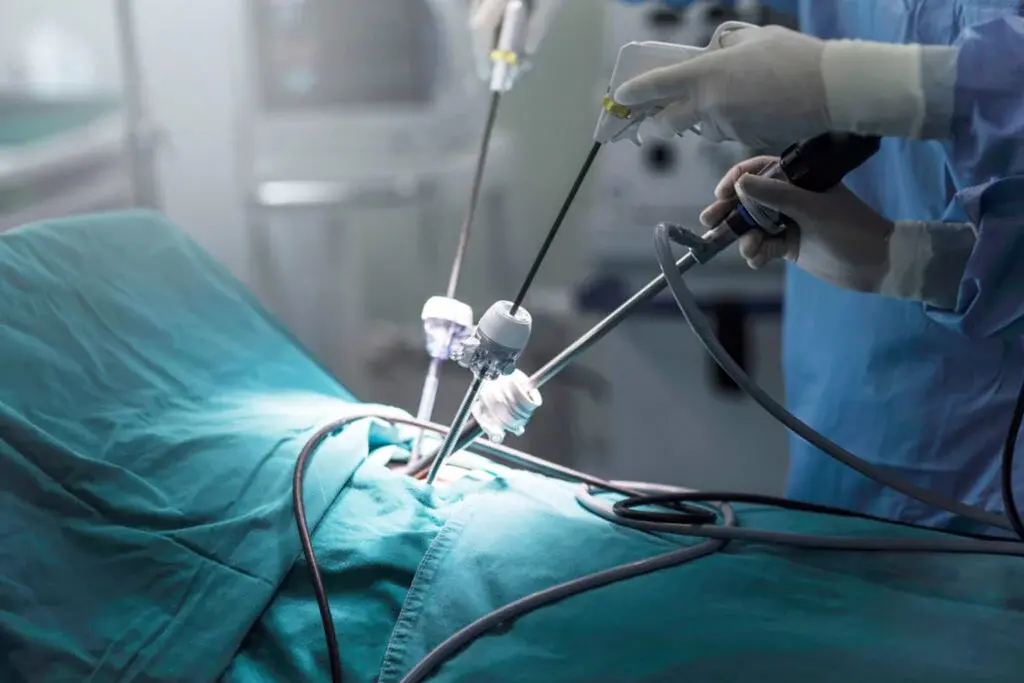
Laparoscopic surgery is a surgical technique that uses small incisions to access the area being treated with specialized instruments and a small camera.
The use of laparoscopy varies depending on the condition. The doctor determines whether the technique is appropriate after examining the patient and assessing the specific medical problem.
Some laparoscopic procedures may involve smaller surgical incisions compared with certain traditional procedures, while recovery time varies from one patient to another.
🦴 What Is a Hernia?
A hernia occurs when tissue or part of an organ pushes through a weakened area in the surrounding muscle or tissue.
Hernias can occur in different areas of the body. Common types include:
- Inguinal hernia.
- Umbilical hernia.
- Incisional hernia.
- Certain types of abdominal wall hernias.
A hernia may appear as a bulge or lump in a specific area and may be accompanied by pain or pressure, particularly during movement, coughing, or physical exertion.
🔎 What Symptoms of a Hernia Require Medical Evaluation?
Symptoms vary from one person to another but may include:
- A bulge or lump in the abdomen or groin area.
- Pain or pressure at the site of the hernia.
- Increased bulging when coughing or exerting effort.
- Discomfort during movement.
- Changes in the size of the bulge when standing or lying down.
These symptoms do not necessarily mean that surgery is immediately required. A medical examination is recommended to determine the nature of the condition.
⚕️ When Can a Hernia Be Treated Surgically?
The decision to perform surgery depends on the type, size, and location of the hernia, the associated symptoms, and the patient's overall health.
In some cases, surgery may be the appropriate option for repairing the hernia, and laparoscopic surgery may be one of the techniques considered depending on the patient's condition.
There is no single surgical technique suitable for every patient. The appropriate approach should therefore be determined after medical evaluation.
🔬 Laparoscopic Hernia Surgery
Laparoscopic hernia surgery involves making small incisions through which specialized surgical instruments and a camera are inserted to access and repair the affected area.
The surgical technique varies according to the type, location, and size of the hernia as well as the patient's overall health.
In some cases, laparoscopic techniques may help reduce the size of surgical incisions. However, outcomes and recovery times vary from one patient to another.
🩺 The Importance of Diagnosis Before Hernia Surgery
Before deciding on surgery, the doctor needs to understand the patient's condition in detail.
The assessment may include:
📋 Medical History
Reviewing symptoms, their duration, existing medical conditions, medications, and any previous surgeries.
🔍 Clinical Examination
Examining the hernia and assessing its size, characteristics, and effect on the patient.
🧪 Tests and Imaging
Some patients may require additional tests or imaging studies depending on the doctor's assessment.
Following the evaluation, the appropriate treatment options can be discussed.
🚨 When Does a Hernia Require Urgent Medical Evaluation?
If severe and sudden pain occurs, or there is a significant change in the appearance of the bulge or unusual symptoms develop, urgent medical evaluation should be sought.
Severe or worsening symptoms should not be ignored, as certain hernia complications may require prompt medical intervention.
👨⚕️ Follow-Up After Laparoscopic and Hernia Surgery
Recovery and postoperative instructions vary depending on the type of procedure and the patient's condition.
Follow-up may include:
- Monitoring the surgical wound.
- Following the doctor's instructions.
- Gradually managing physical activity.
- Taking prescribed medications as directed.
- Attending scheduled follow-up appointments.
- Gradually returning to daily activities according to the patient's condition.
Follow-up is an important part of the recovery process after surgery.
🏥 Dr. Mohamed Mansour Kamel's Clinic in Mohandessin
Appointments are available at Dr. Mohamed Mansour Kamel's clinic in Mohandessin for evaluation of hernias and laparoscopic surgery.
📍 Address:
5 Arab League Street – Sixth Floor
Inside In Time Clinics
Next to Zamalek Club and CIB Bank
Mohandessin – Giza.
⏰ Consultation Hours:
Tuesday and Thursday
From 9:00 PM.
📞 Appointment and Inquiry Numbers
Unified Hotline:
01140201777
Direct Clinic Number:
01119639404
Direct Clinic Number:
01119642408
You can contact the clinic to inquire about appointments, available services, and booking details.
🏥 Looking for Dr. Mohamed Mansour's Tukh Branch?
If you are looking for Dr. Mohamed Mansour Kamel's clinic branch in Tukh, Qalyubia, you can visit the dedicated page for the Tukh branch to find its address, consultation hours, and contact numbers.
📞 Book Your Appointment
If you have a hernia or need an evaluation for laparoscopic surgery, you can contact Dr. Mohamed Mansour Kamel's clinic to schedule an examination and discuss the appropriate options for your condition.
📱 01140201777
📱 01119639404
📱 01119642408
📍 5 Arab League Street – Sixth Floor – Inside In Time Clinics – Mohandessin – Giza
🕘 Tuesday and Thursday – 9:00 PM
The medical information provided in this article is for general awareness and does not replace a direct medical examination. The type of surgery and suitability of laparoscopic techniques depend on the doctor's assessment of each individual case.