
Advanced Laparoscopic Surgery in Assiut | Dr. Amr Mostafa Saleheen
📱 Phone & WhatsApp: 01142264727
☎️ Clinic Phone Numbers: 01118459195 – 01555570940 – 0882480765
📧 Email: [email protected]
📍 Address: Abutig, Assiut Governorate, Al-Farghal Square, in front of the Health Administration
⏰ Working Hours: From 2 PM to 8 PM
Advanced Laparoscopic Surgery in Assiut with Dr. Amr Mostafa Saleheen
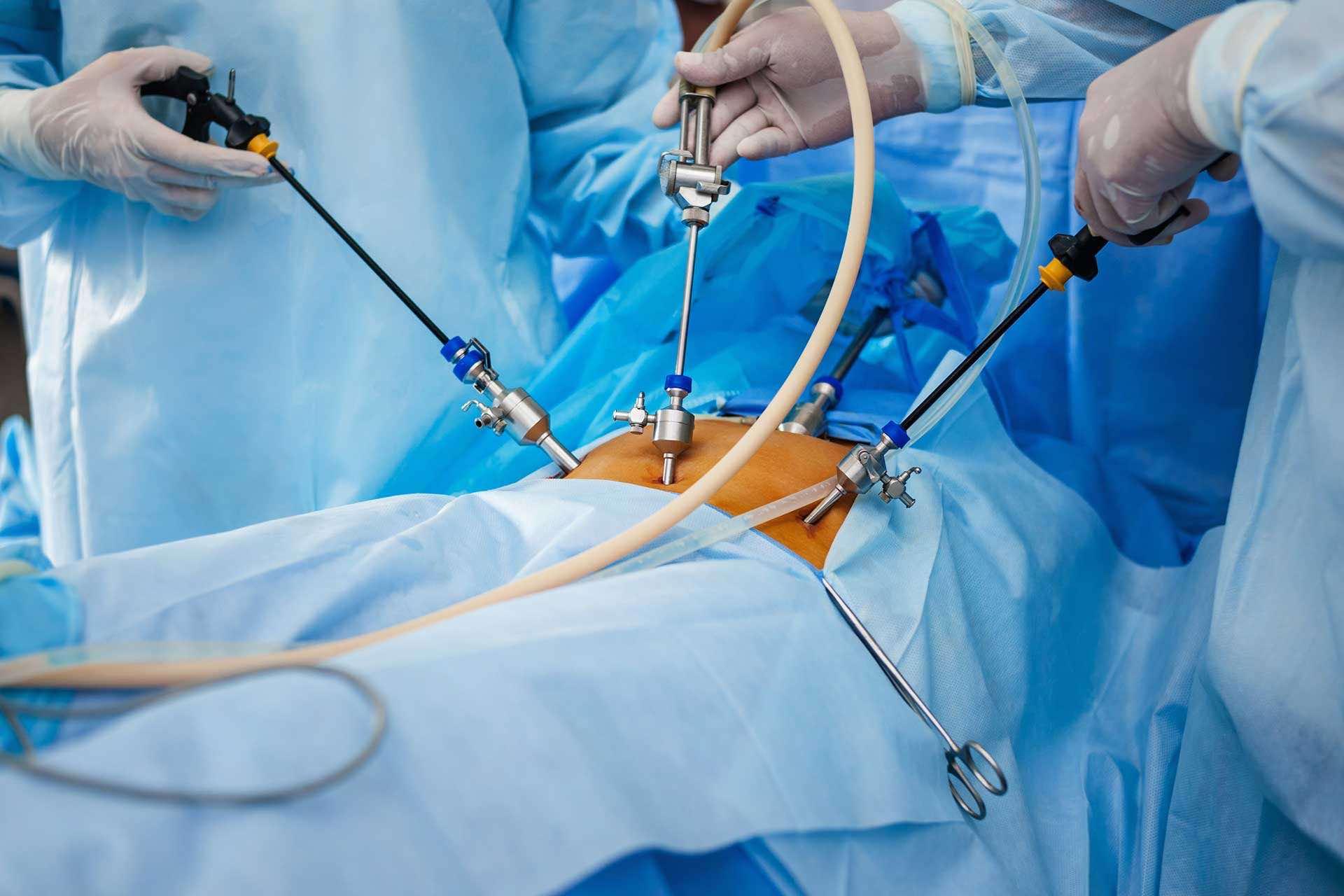
Advanced laparoscopic surgery in Assiut is one of the modern surgical techniques that has contributed to the development of treatment for many gynecological conditions. It allows many procedures to be performed through small abdominal incisions instead of the larger incisions used in traditional open surgery. Dr. Amr Mostafa Saleheen, Lecturer of Obstetrics and Gynecology and a specialist in modern laparoscopic surgery, provides specialized evaluation and treatment for gynecological conditions that may require precise surgical intervention.
Dr. Amr Mostafa Saleheen's expertise includes gynecological laparoscopic surgery for fibroids, ovarian cysts, and endometriosis, as well as laparoscopic hysterectomy and the management of certain complex conditions such as uterine niche. Each patient is carefully evaluated before selecting the appropriate procedure, with particular attention to safety, postoperative comfort, and recovery.
Who Is Dr. Amr Mostafa Saleheen?
Dr. Amr Mostafa Saleheen is a Lecturer of Obstetrics and Gynecology specializing in advanced laparoscopic surgery, in addition to providing comprehensive care for various women's health conditions.
Dr. Amr evaluates each case based on the patient's medical history, clinical examination, and necessary investigations to reach an accurate diagnosis and determine the most appropriate treatment options.
His areas of interest include:
- Obstetrics and Gynecology.
- Gynecological laparoscopic surgery.
- Fibroid treatment.
- Ovarian cyst treatment.
- Endometriosis treatment.
- Laparoscopic hysterectomy.
- Management of uterine niche.
- Pregnancy and childbirth follow-up.
- Evaluation of certain fertility and delayed pregnancy problems.
- Routine women's health care.
What Is Gynecological Laparoscopic Surgery?
Gynecological laparoscopic surgery is a minimally invasive surgical technique in which a laparoscope and specialized surgical instruments are used to access the pelvic organs through small abdominal incisions.
The surgical approach varies according to the type of condition and the purpose of the procedure. The appropriate technique is determined after a comprehensive medical evaluation.
When clinically appropriate, laparoscopic surgery may offer several potential advantages, including:
- Smaller surgical incisions compared with some traditional procedures.
- Less postoperative pain in many cases.
- A shorter recovery period for certain procedures.
- Earlier return to daily activities depending on the procedure and the patient's condition.
- Enhanced visualization during certain precise surgical procedures.
Laparoscopic surgery is not suitable for every patient or every condition. The decision depends on the diagnosis, the patient's health, and the surgeon's medical assessment.
Conditions That May Be Treated Using Laparoscopy
Laparoscopic Removal of Uterine Fibroids
Uterine fibroids are common among women, and their symptoms can vary from one patient to another. In some cases, fibroids may cause heavy menstrual bleeding, pelvic pain, or pressure on surrounding organs.
Laparoscopic fibroid removal may be an appropriate option for some patients depending on the size, number, and location of the fibroids, as well as the patient's overall health and treatment goals.
Treatment of Ovarian Cysts
There are different types of ovarian cysts, and not every cyst requires surgery. When surgical treatment is necessary, laparoscopy may be considered depending on the type and size of the cyst and the symptoms associated with it.
Endometriosis Treatment
Endometriosis is a condition that may cause chronic pelvic pain and, in some cases, may affect fertility.
Laparoscopy can be used to diagnose and treat certain cases of endometriosis. It allows the surgeon to visualize areas affected by the condition and manage them surgically according to the patient's individual needs.
Laparoscopic Hysterectomy
For some women who require removal of the uterus, laparoscopic hysterectomy may be one of the available surgical options. The choice of this approach depends on the patient's medical condition, uterine size, associated health conditions, and the surgeon's assessment.
Treatment of Uterine Niche
A uterine niche, sometimes referred to as a cesarean scar defect, may occur in some women following a cesarean section. In certain cases, it may be associated with symptoms or fertility-related problems.
Management of a uterine niche requires careful evaluation to determine its clinical significance and the most suitable treatment approach. Laparoscopic intervention may be an option in selected cases.
Why Is Advanced Laparoscopic Surgery an Important Option?
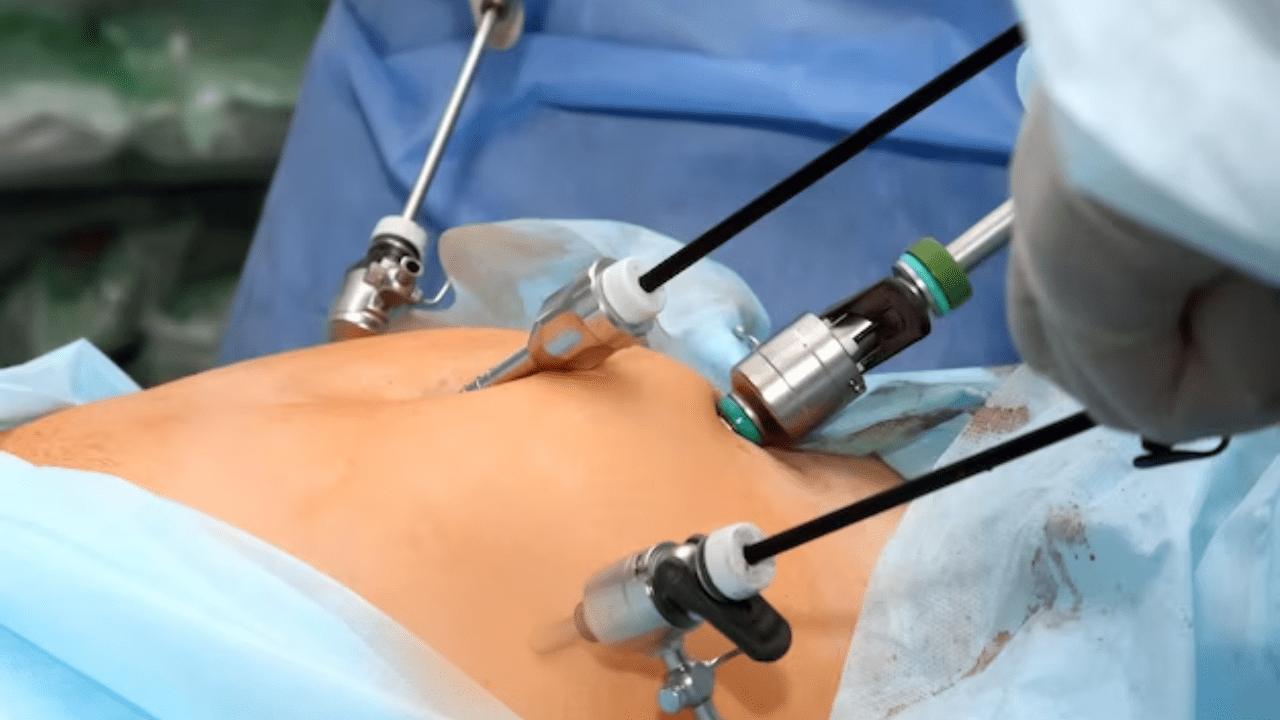
Gynecological surgery has advanced significantly in recent years, and laparoscopic techniques have become an important surgical option for many gynecological conditions.
When appropriate, laparoscopic surgery can allow the required procedure to be performed through small incisions rather than the larger surgical openings associated with some traditional operations.
Potential benefits of laparoscopic surgery may include:
Less Postoperative Pain:
Smaller surgical incisions may help reduce postoperative discomfort in certain procedures.
Faster Recovery:
Some patients may return to their daily activities sooner than after certain open surgical procedures, depending on the type of surgery and individual recovery.
Smaller Incisions:
Laparoscopic procedures are performed through small incisions, which may result in less noticeable surgical scars.
Enhanced Surgical Visualization:
The laparoscope provides magnified visualization of the pelvic area, which can be useful during delicate surgical procedures.
How Is a Patient's Suitability for Laparoscopic Surgery Determined?
Having a gynecological condition does not automatically mean that laparoscopy is the best treatment option. The process usually begins with a comprehensive medical assessment, which may include:
- Reviewing symptoms and medical history.
- Performing a clinical examination.
- Ordering imaging studies or laboratory tests when necessary.
- Determining the nature, location, and size of the condition.
- Assessing the patient's overall health.
- Discussing available treatment options.
- Explaining the potential benefits and risks of each procedure.
After this assessment, the doctor can determine whether gynecological laparoscopic surgery is suitable or whether another treatment approach may be more appropriate.
Laparoscopic Surgery for Complex Gynecological Conditions
Some gynecological conditions require highly precise surgical management because of their location, complexity, previous surgeries, or the presence of pelvic adhesions.
In such cases, careful preoperative planning is important. The patient's investigations should be reviewed thoroughly and the most appropriate surgical technique should be selected based on the individual case.
Dr. Amr Mostafa Saleheen takes an individualized approach to each patient, ensuring that the treatment method is selected after evaluating the patient's condition, medical needs, and available options.
Does Every Patient Need Laparoscopic Surgery?
No. Gynecological conditions vary from one patient to another, and medication, monitoring, or another medical procedure may sometimes be the most appropriate treatment.
Therefore, the decision to undergo laparoscopic surgery should not be based solely on symptoms or other people's experiences. A consultation with a qualified specialist and appropriate medical evaluation are essential before choosing a surgical procedure.
Why Choose Dr. Amr Mostafa Saleheen?
Choosing the right physician is an important step when gynecological surgery is required. Dr. Amr Mostafa Saleheen focuses on providing care based on:
- Accurate diagnosis before treatment.
- Individual assessment of each patient.
- Clear explanation of available treatment options.
- Use of modern surgical techniques when clinically appropriate.
- Attention to patient safety throughout the treatment process.
- Postoperative follow-up.
- Medical guidance to support women's health.
When Should You Visit a Gynecologist?
Women should not delay consulting a gynecologist when persistent or unusual symptoms appear, such as:
- Abnormal uterine bleeding.
- Recurrent pelvic pain.
- Severe menstrual pain.
- Pain during intercourse.
- Menstrual irregularities.
- Symptoms associated with ovarian cysts or uterine fibroids.
- Delayed pregnancy.
- Symptoms that may indicate endometriosis.
Early medical evaluation can help identify the underlying cause of symptoms and determine the appropriate treatment at the right time.
Tips for Maintaining Women's Health
In addition to medical treatment when needed, several healthy habits can support women's overall health.
Regular Checkups:
Routine medical examinations can help detect certain health problems at an earlier stage.
Balanced Nutrition:
A balanced diet that provides essential nutrients supports overall health and well-being.
Physical Activity:
Regular movement and physical activity contribute to maintaining fitness and general health.
Mental Well-Being:
Ongoing stress can affect quality of life, making it important to pay attention to mental well-being alongside physical health.
Do Not Ignore Symptoms:
Persistent pain or unusual bleeding should be evaluated by a medical professional rather than relying solely on painkillers or non-medical remedies.
Book Your Consultation with Dr. Amr Mostafa Saleheen in Assiut
If you are looking for advanced laparoscopic surgery in Assiut or need an evaluation for a gynecological condition that may require surgical treatment, you can contact Dr. Amr Mostafa Saleheen for a proper medical assessment and to discuss the most appropriate treatment options for your condition.
Contact Information
📱 Phone & WhatsApp: 01142264727
☎️ Clinic Phone Numbers: 01118459195 – 01555570940 – 0882480765
📧 Email: [email protected]
📍 Address: Abutig, Assiut Governorate, Al-Farghal Square, in front of the Health Administration
⏰ Working Hours: From 2 PM to 8 PM
Dr. Amr Mostafa Saleheen – Lecturer of Obstetrics and Gynecology and specialist in modern laparoscopic surgery in Assiut.