
Laparoscopic Inguinal and Umbilical Hernia Repair in Tukh | Dr. Mohamed Mansour Kamel
Inguinal and umbilical hernias are common surgical conditions that may cause a bulge in different areas of the abdominal wall, sometimes accompanied by pain or pressure that becomes more noticeable during physical effort. The appropriate treatment depends on the location and size of the hernia, its symptoms, and the patient's overall health. Laparoscopic hernia repair is one surgical option for selected cases. It uses small incisions and a camera with specialized instruments to repair the affected area. You can contact Dr. Mohamed Mansour Kamel's clinic in Tukh to inquire about an assessment and discuss suitable treatment options.
📍 Clinic Address and Contact Details
6 Qatar Street, off Alexandria Bank Street, opposite Zahran Amusement Park, Tukh, Qalyubia Governorate, Egypt.
📞 For appointments and inquiries: 01140201777
What Are Inguinal and Umbilical Hernias?
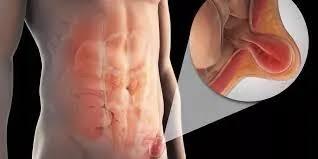
A hernia occurs when internal tissue, such as fat or part of the intestine, protrudes through a weak area in the surrounding muscle wall. The type of hernia depends on its location. Inguinal and umbilical hernias are among the common types.
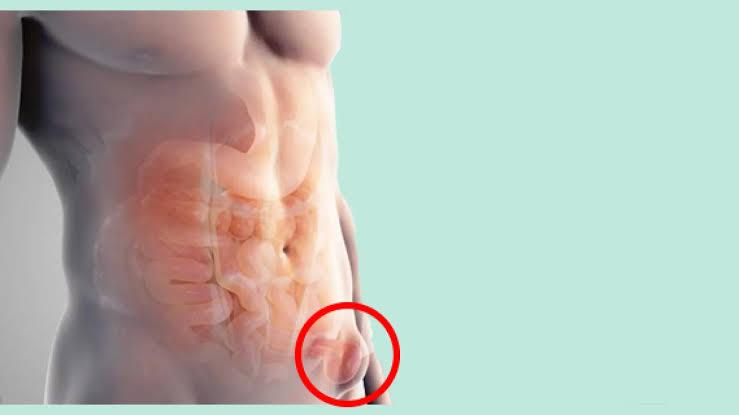
An inguinal hernia appears in the groin, where the lower abdomen meets the upper thigh. In men, the bulge may extend into the scrotum. It may become more noticeable when standing, coughing, or lifting heavy objects.
An umbilical hernia appears near the belly button when tissue protrudes through a weak area or opening in the abdominal wall. The bulge may become more visible during coughing or physical strain.
Hernias vary in size, symptoms, and severity. A medical examination is needed to determine the type of hernia and how it affects the patient.
What Are the Symptoms of Inguinal and Umbilical Hernias?
Symptoms vary according to the type and size of the hernia. A visible bulge may be the main sign, while some people experience pain or discomfort.
Possible symptoms include:
-
A bulge in the groin or near the belly button.
-
Pain or pressure around the affected area.
-
Increased bulging when coughing, sneezing, or standing for long periods.
-
A feeling of heaviness or discomfort during physical effort.
-
A bulge that becomes smaller or disappears when lying down in some cases.
A hernia may initially cause little or no pain, but this does not mean it should always be ignored. Whether monitoring or surgical repair is appropriate depends on the type of hernia and the individual circumstances.
Important warning: Seek emergency medical care if a hernia becomes severely painful, can no longer be pushed back in, or is associated with redness, vomiting, or sudden and worsening abdominal pain. These may be signs of an incarcerated or strangulated hernia, which can require emergency surgery.
What Causes Inguinal and Umbilical Hernias?
A hernia develops when an area of the abdominal wall is weak enough to allow tissue to protrude through it. The weakness may be present from birth or develop later in life.
Factors that may contribute to a hernia or increase pressure on the abdominal wall include:
-
Weakness in the abdominal muscles or surrounding tissues.
-
A congenital predisposition to hernia formation.
-
Age-related changes in tissue strength.
-
Obesity or increased pressure inside the abdomen.
-
Chronic coughing or repeated straining caused by constipation.
-
Repeated heavy lifting, particularly when an underlying weakness is present.
-
Pregnancy or multiple pregnancies in some cases of umbilical hernia.
Having one of these factors does not mean that a person will necessarily develop a hernia. The underlying cause may differ from one patient to another.
How Is a Hernia Diagnosed Before Surgery?
Diagnosis usually begins with a review of the patient's medical history and an examination of the area where the bulge appears. The doctor may ask the patient to stand or cough during the examination to observe changes in the hernia.
If the diagnosis is uncertain, an ultrasound or other imaging investigation may be recommended, depending on the circumstances.
The assessment helps identify the type and size of the hernia, determine whether its contents can be returned to the abdomen, and check for complications that may require urgent treatment. The patient's general health, chronic conditions, and medications are also considered when planning surgery.
An accurate diagnosis helps determine whether observation is appropriate or whether surgical repair is the better option.
What Is Laparoscopic Inguinal and Umbilical Hernia Repair?
Laparoscopic hernia repair is a surgical technique that uses small abdominal incisions to introduce a camera and specialized instruments. The protruding tissue is returned to its appropriate position, and the weakened area is repaired according to the requirements of the case.
A surgical mesh may be used to reinforce the abdominal wall in some cases. The repair method depends on the hernia's size and location, whether it is a first-time or recurrent hernia, and other factors identified during the surgical assessment.
For some patients with an inguinal hernia, a laparoscopic approach may be suitable, depending on the hernia and the patient's health. For an umbilical hernia, the choice depends on the size of the defect and the individual circumstances. Open repair may be appropriate in other cases.
Laparoscopic surgery is therefore not automatically the best choice for every patient. The decision requires a comparison of the available options and a discussion of the potential benefits and risks with the surgeon.
What Are the Potential Benefits of Laparoscopic Hernia Repair?
When appropriate for the individual case, laparoscopic surgery may offer certain benefits, including:
-
Small incisions instead of a larger incision in some cases.
-
Smaller visible scars compared with some open procedures.
-
The option to repair selected hernias using a laparoscopic approach.
-
The ability to assess both sides in certain cases of inguinal hernia when necessary.
However, outcomes depend on the hernia's type and size, the patient's health, and the surgical team's experience. Laparoscopic repair requires appropriate anesthesia and assessment, and it may not be suitable for some patients.
The decision should not be based only on potential benefits. Possible risks and alternative surgical approaches should also be discussed.
How Should Patients Prepare for Laparoscopic Hernia Surgery?
Preparation depends on the type of hernia, the planned procedure, and the patient's general health.
It may include reviewing medical history and medications, completing the required investigations, and assessing suitability for anesthesia. The doctor will also provide instructions about eating, drinking, and medications before surgery.
Patients should inform the medical team about chronic conditions and medication allergies. Prescribed medicines should not be stopped without medical instructions. It is also important to understand the postoperative care plan, follow-up schedule, and temporary restrictions on strenuous activity or heavy lifting.
Following these instructions helps patients prepare for surgery and manage recovery according to the treatment plan.
What Happens After Laparoscopic Hernia Repair?
Recovery varies depending on the type and size of the hernia, the repair method, and the patient's overall health.
Some pain or discomfort around the incision sites may occur during the first few days. The doctor will provide instructions regarding medication, movement, wound care, and the gradual return to everyday activities and work.
Heavy lifting and strenuous exercise should be avoided until the doctor confirms they are appropriate. Follow-up appointments help monitor healing and identify potential problems.
Possible complications include bleeding, infection, fluid collection, persistent pain, or recurrence of the hernia. The likelihood of these complications varies according to the individual case and the procedure performed.
Contact the treating team if fever, increasing pain, significant redness, or wound discharge occurs. Severe abdominal pain accompanied by vomiting or a painful bulge that cannot be pushed back requires emergency assessment.
Laparoscopic Hernia Repair with Dr. Mohamed Mansour Kamel in Tukh
If you have a bulge near the belly button or in the groin, or would like to learn about treatment options for a hernia, you can contact Dr. Mohamed Mansour Kamel's clinic in Tukh to inquire about an appointment and assessment.
A medical examination can help identify the type of hernia, determine whether surgery is needed, and establish whether laparoscopy or another surgical approach may be suitable.
📍 Address: 6 Qatar Street, off Alexandria Bank Street, opposite Zahran Amusement Park, Tukh, Qalyubia Governorate, Egypt.
📞 Appointments and inquiries: 01140201777
Frequently Asked Questions About Laparoscopic Hernia Repair
Can inguinal and umbilical hernias be repaired laparoscopically?
Yes. Laparoscopic repair may be suitable for selected inguinal and umbilical hernias. The choice depends on the type and size of the hernia and the patient's health.
Does every hernia require surgery?
Not necessarily. The decision depends on the type of hernia, symptoms, and risk of complications. A doctor can assess whether monitoring or surgery is appropriate.
Is laparoscopic hernia surgery better than open surgery?
Neither approach is best for everyone. The choice depends on the details of the case and the potential benefits and risks of each surgical method.
How long does recovery take after laparoscopic hernia repair?
Recovery varies with the type of hernia, the procedure, and the patient's health. The doctor will advise when it is appropriate to return to normal activities and lift heavier objects.
When is a hernia an emergency?
Sudden severe pain, vomiting, redness, or a painful bulge that cannot be pushed back requires urgent medical assessment.
Arrange an Appointment to Discuss Hernia Treatment in Tukh
Treatment for inguinal and umbilical hernias begins with an accurate diagnosis and selection of the repair method appropriate for the individual case. Medical assessment helps clarify the available options, prepare for surgery if needed, and guide recovery.