
Laser Hair Removal | Dr. Qamaria Tarek El-Banna
Laser hair removal has become a common option for reducing unwanted hair without relying repeatedly on shaving, waxing, or other traditional methods. The procedure uses light energy directed toward hair follicles to help reduce hair growth over a course of appropriately spaced sessions.
Results vary from person to person depending on hair color, hair thickness, skin tone, the treatment area, and individual hair-growth patterns. An assessment of the skin and hair before treatment helps determine suitable settings and reduce the risk of irritation or pigmentation changes.
Understanding what happens during treatment and how to care for the skin before and after each session can also help patients develop realistic expectations.
Contact and Booking Information
Mohandessin Branch
Address:
9 Abdel Hamid Lotfy Street, off El-Batal Ahmed Abdel Aziz Street, Mohandessin, Giza, Egypt.
Phone for inquiries and appointments:
How Does Laser Hair Removal Work?
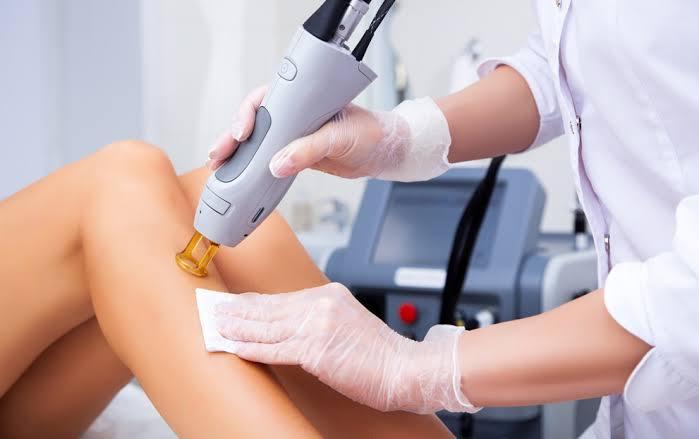
Laser hair removal directs light energy toward the pigment called melanin found in the hair. The pigment absorbs this energy, which becomes heat and targets the hair follicle. This process helps weaken the follicle's ability to produce hair and gradually reduces hair growth.
The treatment generally works better on dark hair than on white, gray, or light-blonde hair because these hair colors contain less pigment. Skin tone, the type of laser used, and the device settings also influence treatment selection.
Not all hair follicles respond in the same way during a single session. Hair grows in different stages, and the laser is most effective when the hair is in a suitable growth phase. This is why most people need a series of sessions rather than a single treatment to achieve a noticeable reduction in hair growth.
Which Areas Can Be Treated With Laser Hair Removal?
Laser hair removal can be used on several body areas, depending on the patient's goals and whether the procedure is appropriate for the specific area.
Common treatment areas include:
-
Face: Such as the upper lip and chin, depending on hair characteristics and hormonal factors.
-
Underarms: To reduce unwanted hair growth in this area.
-
Legs: To treat larger areas of unwanted hair.
-
Arms: Depending on hair density and the area being treated.
-
Bikini area: With appropriate attention to skin sensitivity and pre- and post-treatment instructions.
-
Back and chest: When hair reduction in these areas is appropriate for the individual.
The number of sessions and treatment approach depend on the area, hair density, and response to previous sessions. Some areas, particularly the face in women, may need maintenance treatments because hormonal changes can influence hair growth.
How Many Laser Hair Removal Sessions Are Needed?
There is no fixed number of sessions that works for everyone. Results depend on hair color and thickness, skin tone, the treatment area, and hormonal factors.
Some people notice a reduction in hair density after the first few sessions. However, achieving the desired outcome usually requires multiple treatments spaced to target hair during different growth stages. The appropriate interval is determined according to the area and the hair's response.
Laser hair removal does not necessarily mean that all hair will disappear permanently in every patient. Some hair may regrow after the treatment course, but it may be finer and less noticeable. Maintenance sessions may be needed to preserve the results.
For this reason, treatment should be assessed gradually rather than judged by the outcome of a single session.
How Should You Prepare for Laser Hair Removal?
Suitable preparation can help reduce skin irritation and support safer treatment. Before the appointment, discuss your medical history, current medications, skin conditions, and any recent changes in skin color with the treating professional.
Important preparation measures may include:
-
Avoiding tanning and substantial sun exposure before treatment, according to the provider's instructions.
-
Avoiding waxing or plucking during the period specified by the provider, because the follicle needs to remain available for treatment.
-
Following instructions about shaving the treatment area before the appointment.
-
Informing the provider about irritated or inflamed skin and any medications that may affect the skin's response.
-
Asking which device is appropriate for your skin and hair, what results to expect, and which side effects may occur.
The treatment should include appropriate eye protection, and the device settings should be selected according to skin tone and hair characteristics. Appropriate settings are important for reducing the risk of burns and changes in skin pigmentation.
What Happens During a Laser Hair Removal Session?
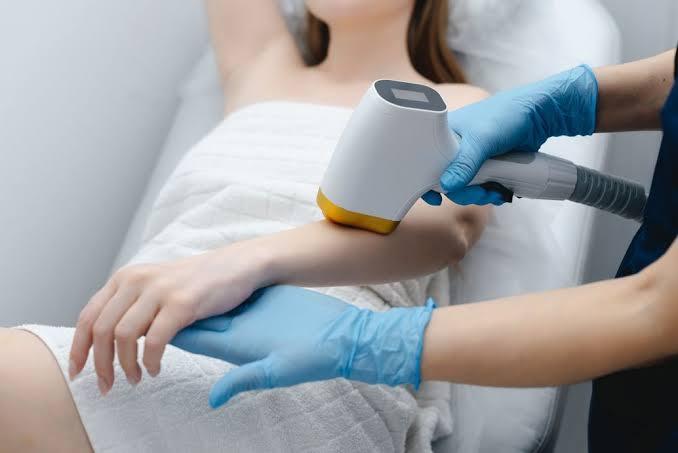
A session typically begins with an assessment and cleansing of the treatment area. The device is then used to deliver laser pulses to the hair. Some people experience mild stinging or warmth during treatment. The level of discomfort varies according to the area, skin sensitivity, and device used.
Treatment time depends on the size of the area. Small areas may take only a short time, while larger areas require longer sessions.
Mild redness or swelling around the hair follicles may appear afterward and is often temporary. However, severe pain, blistering, or noticeable changes in skin color should be reported to the treating professional for assessment.
How Should You Care for Your Skin After Laser Hair Removal?
Appropriate aftercare can help soothe the skin and reduce the risk of complications. Follow the instructions provided for your treatment, because skin needs may vary from person to person.
General recommendations include:
-
Avoiding direct sunlight on the treated area.
-
Using suitable sunscreen on exposed areas as instructed.
-
Avoiding irritating products or strong exfoliants if the skin is sensitive after treatment.
-
Avoiding scratching or picking at the treated area.
-
Contacting the provider if irritation persists or unusual pain or blisters develop.
It is also important not to schedule another session earlier than advised. The interval between sessions is an important part of the treatment plan and should not be shortened without professional assessment.
Is Laser Hair Removal Suitable for All Skin Types?
Modern laser technologies can treat a range of skin tones, but the device and settings must be selected with care according to skin color, hair thickness, and hair characteristics.
Darker or recently tanned skin requires particular attention because unsuitable settings may increase the risk of burns or pigmentation changes. White, gray, and light-blonde hair may respond less effectively because it contains less melanin.
Tell the treating professional if you have a history of burns, raised scars, recurrent cold sores, or recent tanning. You should also disclose any medications you take. This assessment helps determine whether the procedure is suitable and allows the risks and alternatives to be discussed.
Inquire About Laser Hair Removal Appointments
Laser hair removal depends on selecting an appropriate technique, planning sessions according to hair and skin characteristics, and following preparation and aftercare instructions.
For appointment details and inquiries, contact Dr. Qamaria Tarek El-Banna using the information below.
Phone:
Address:
9 Abdel Hamid Lotfy Street, off El-Batal Ahmed Abdel Aziz Street, Mohandessin, Giza, Egypt.