
🦵 Laser Treatment for Varicose Veins in Hurghada | Dr. Mohamed Mansour Kamel
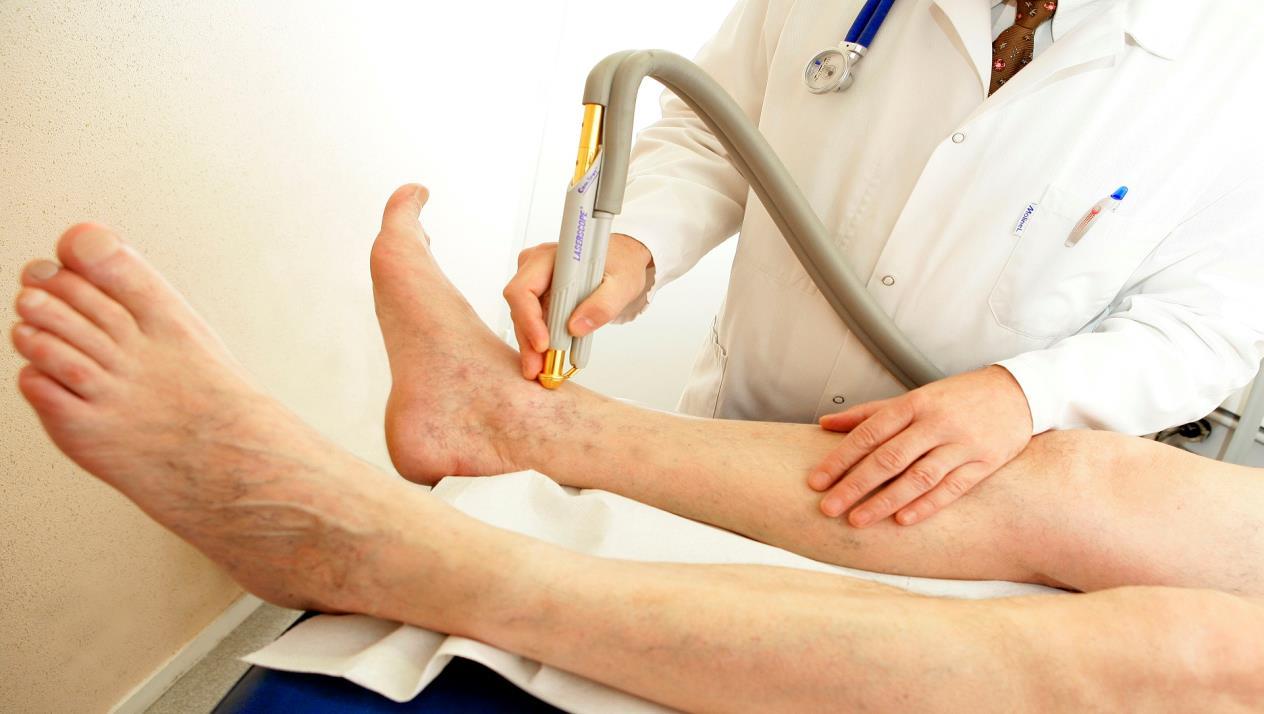
Are you experiencing twisted, visible veins in your legs or heaviness and discomfort after standing for long periods? Laser treatment for varicose veins in Hurghada is one of the modern treatment options used for selected cases of varicose veins, particularly when symptoms affect daily comfort and mobility. The appropriate treatment depends on the severity of the condition, the affected veins, and the results of a medical assessment.
The clinic of Dr. Mohamed Mansour Kamel, Consultant in General Surgery, Vascular Surgery, and Varicose Vein Treatment in Hurghada, provides assessment of varicose vein conditions and discussion of suitable treatment options, including laser techniques when medically appropriate. The goal is to identify the underlying problem and determine a treatment plan based on each patient's individual needs.
📞 Contact Information and Appointments
Dr. Mohamed Mansour Kamel Clinic for General and Vascular Surgery
- 📍 Location: Cleopatra Hospital, Hurghada, Egypt.
- 📱 Phone: 01140201777
- 💬 WhatsApp: Contact the clinic on WhatsApp
- 🩺 Specialties: General surgery, bariatric surgery, advanced endoscopy, vascular surgery, varicose vein treatment, and diabetic foot care.
- 🎓 Qualifications and Memberships: Fellow of the Royal College of Surgeons in London and member of Egyptian surgical, endoscopy, and bariatric surgery associations, according to the supplied professional information.
🩺 What Are Varicose Veins?
Varicose veins are enlarged, twisted veins that commonly appear beneath the skin. They develop when the valves inside the veins do not function properly, making it more difficult for blood to return from the legs to the heart. As a result, blood may pool inside the affected veins.
Varicose veins may appear as prominent blue or purple lines and can be accompanied by leg heaviness, pain, swelling, or discomfort, particularly after prolonged standing or sitting. In some cases, chronic venous insufficiency may lead to skin changes or ulcers around the ankles.
Treatment depends on the affected veins, symptom severity, and the extent of venous insufficiency. A medical assessment is therefore important before choosing an appropriate treatment method.
🔬 How Does Laser Treatment for Varicose Veins Work?
Endovenous laser ablation (EVLA) is a minimally invasive technique used to treat certain cases of varicose veins caused by venous reflux. During the procedure, a thin catheter is inserted into the affected vein under ultrasound guidance. Laser energy is then delivered to close the faulty vein, allowing blood to be redirected through other functioning veins.
Endovenous laser ablation is different from surface laser treatments that may be used for certain small visible spider veins. Each technique has different applications depending on the type, size, and location of the affected veins.
Before treatment, the doctor performs a clinical assessment and may request a venous Doppler ultrasound to evaluate blood flow, identify reflux, and determine whether laser treatment is appropriate.
⭐ What Are the Benefits of Laser Treatment for Varicose Veins?
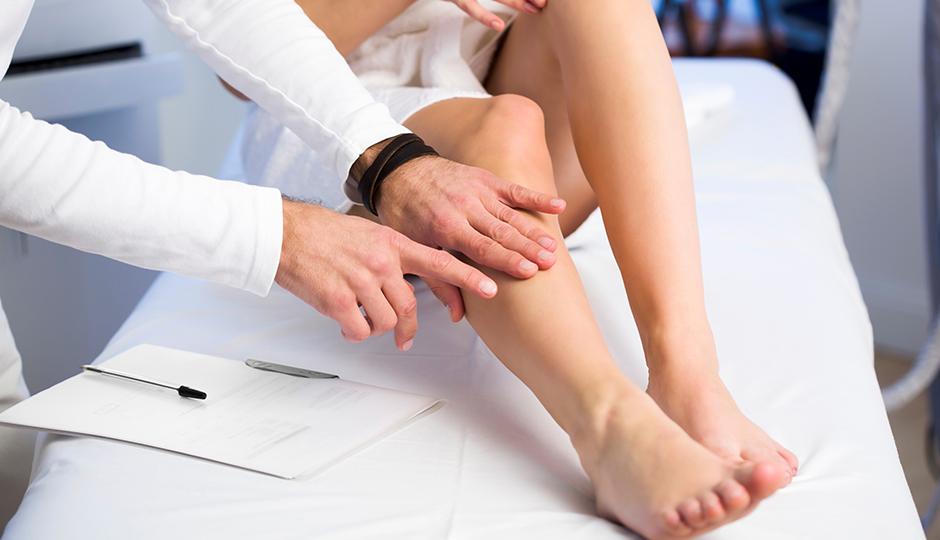
When used for suitable cases, endovenous laser treatment may offer several benefits, including:
- Minimally invasive treatment: The procedure uses a small access point to insert the catheter rather than requiring extensive surgical incisions in many cases.
- Usually performed under local anesthesia: Local anesthesia around the affected vein is commonly used, depending on the treatment plan.
- Relatively short recovery period: Many patients can return to routine activities relatively quickly, subject to their doctor's instructions.
- Potential symptom relief: Treatment may help reduce heaviness, pain, and swelling associated with the affected vein.
- Closure of the affected vein from within: The procedure generally does not require removing the entire vein through large surgical incisions.
Results and recovery times vary from one patient to another. Laser treatment is not suitable for every type of varicose vein and does not necessarily prevent new varicose veins from developing in the future.
🦵 Who May Be a Candidate for Laser Treatment?
Endovenous laser treatment may be suitable for some patients with superficial venous insufficiency, particularly when blood reflux occurs because of faulty vein valves.
Patients who may benefit from an assessment include those experiencing:
- Prominent, twisted veins in the legs.
- Leg heaviness or pain that worsens after prolonged standing.
- Swelling in the ankles or lower legs, especially toward the end of the day.
- Skin changes associated with chronic venous insufficiency.
- Persistent symptoms despite appropriate conservative measures.
Determining whether laser treatment is suitable requires an assessment of the affected vein's location, diameter, and blood flow, along with the patient's general health and medical history.
⚠️ What Causes Varicose Veins?
Several factors may increase the likelihood of developing varicose veins, including:
- Family history: Varicose veins may be more common in people with affected family members.
- Prolonged standing or sitting: Staying in one position for extended periods may contribute to circulation-related symptoms.
- Age: Vein valves may become less effective over time.
- Pregnancy: Hormonal changes, increased blood volume, and pressure on pelvic veins may contribute to varicose veins.
- Excess body weight: Additional pressure on the veins may contribute to venous problems.
- Faulty vein valves: Valve dysfunction is a major cause of venous reflux and varicose veins.
Having one or more of these risk factors does not necessarily mean a person will develop varicose veins. The visible appearance of veins alone also does not determine the severity of venous insufficiency.
🩺 What Symptoms of Varicose Veins Require Medical Assessment?
Although varicose veins may initially be a cosmetic concern, they can also cause symptoms that require medical evaluation, including:
- Pain or heaviness in the legs.
- Swelling of the feet or ankles.
- Itching around prominent veins.
- Muscle cramps, particularly at night.
- Skin discoloration or thickening near the ankles.
- Wounds or ulcers that are slow to heal.
Sudden swelling in one leg, or pain accompanied by redness and warmth, requires urgent medical assessment. If sudden shortness of breath or chest pain occurs, seek emergency medical care immediately.
🔍 Are Tests Needed Before Laser Treatment for Varicose Veins?
A proper treatment plan begins with an assessment of the affected veins. This may include:
- Clinical examination: To assess visible veins, symptoms, and any skin changes.
- Venous Doppler ultrasound: To evaluate blood flow, detect venous reflux, and identify the veins that may require treatment.
- Medical history review: To discuss current medications, previous blood clots, existing health conditions, and other factors that may affect treatment selection.
- Individualized treatment planning: To determine whether endovenous laser treatment or another approach is more appropriate based on the findings.
Laser treatment should not be selected based solely on the visible appearance of varicose veins without an appropriate medical assessment.
💡 Can Varicose Veins Be Treated Without Traditional Surgery?
Several conservative and minimally invasive options may help manage symptoms. The most suitable approach depends on the type and severity of the condition.
- Compression stockings: May help reduce swelling and heaviness, but they do not permanently close the faulty vein.
- Walking and physical activity: Help activate the calf muscles, which support blood return toward the heart.
- Leg elevation: May help relieve swelling in some patients.
- Avoiding prolonged periods in one position: Taking regular movement breaks may help reduce discomfort.
- Minimally invasive procedures: Options may include endovenous laser ablation, radiofrequency ablation, or sclerotherapy, depending on the affected veins.
Conservative measures may not be sufficient when significant venous reflux requires an intervention. A doctor can recommend an appropriate option after examination. Treatments for larger veins differ from those used for small branches or spider veins.
⏳ How Long Is Recovery After Laser Treatment?
Recovery after endovenous laser treatment varies according to the size and location of the treated veins, the procedure performed, and the patient's general health. Many patients can walk soon after treatment and return to their usual activities relatively quickly, following their doctor's instructions.
Temporary tightness, discomfort, tenderness, or bruising along the treated vein may occur. The doctor may recommend regular walking or compression stockings for a specific period, depending on the patient's condition.
Follow-up appointments are important. Contact your doctor if you experience unusual or worsening pain, swelling, redness, bleeding, or symptoms that may indicate a blood clot.
👨⚕️ Varicose Vein Treatment in Hurghada with Dr. Mohamed Mansour Kamel
Choosing the right treatment for varicose veins requires a careful assessment of symptoms and vein function rather than relying on appearance alone. Patients can discuss available options with Dr. Mohamed Mansour Kamel, Consultant in General Surgery and Vascular Surgery in Hurghada, to determine whether laser treatment is appropriate or whether another approach may be more suitable.
According to the supplied professional information, the doctor's areas of practice include general surgery, advanced endoscopy, bariatric surgery, varicose vein treatment, and diabetic foot care. Patients are advised to contact the clinic to confirm the availability of endovenous laser treatment, the required examinations, and appointment details.
📍 Clinic location: Cleopatra Hospital, Hurghada, Egypt.
📱 Phone: 01140201777
💬 WhatsApp: Book an appointment or contact the clinic
❓ Frequently Asked Questions About Laser Treatment for Varicose Veins
Is laser treatment for varicose veins painful?
Endovenous laser treatment is generally performed using local anesthesia around the affected vein. Some patients may experience discomfort during anesthetic injections or temporary pain and tightness afterward. The experience varies from person to person.
Does laser treatment for varicose veins require an overnight hospital stay?
In many cases, endovenous laser treatment is performed as an outpatient procedure without an overnight hospital stay. However, this depends on the patient's health, the procedure, and the medical facility's arrangements.
Do varicose veins disappear permanently after laser treatment?
The treatment aims to close the affected vein and may improve related symptoms. However, it cannot guarantee that all visible veins will disappear or that new varicose veins will never develop. Some patients may require additional treatment.
Is laser treatment suitable for every case of varicose veins?
No. Suitability depends on the type, size, and location of the affected veins, as well as the findings of a venous Doppler ultrasound. Other treatment methods may be more appropriate for certain cases.
How can I book an appointment for varicose vein treatment in Hurghada?
Contact Dr. Mohamed Mansour Kamel's clinic through WhatsApp at 01140201777 to ask about appointments, medical assessment, and available treatment options.
📌 Conclusion
Laser treatment for varicose veins is one of the options used to treat venous insufficiency in suitable patients. By closing the affected vein from within, it may help relieve symptoms and improve venous circulation. Appropriate diagnosis, vein assessment, and individualized treatment planning remain essential.
If you are experiencing varicose veins in Hurghada, contact Dr. Mohamed Mansour Kamel's clinic to ask about consultations, diagnostic tests, and available treatment options.
This article is for general educational purposes and does not replace a medical consultation. A qualified doctor must assess each case to determine whether laser treatment is appropriate.
```