
Laser Treatment for Varicose Veins in Mohandessin | Dr. Mohamed Mansour Kamel
Varicose veins are a common condition in which veins become enlarged and twisted beneath the skin. They may cause aching, heaviness, or swelling in the legs and around the ankles, particularly after standing for long periods. Modern vein treatments include endovenous laser ablation, which may be suitable for certain types of varicose veins after assessment of the veins and blood flow. Dr. Mohamed Mansour Kamel’s General Surgery Clinic in Mohandessin can be contacted to inquire about an assessment and discuss appropriate treatment options based on the examination and any necessary investigations.
📍 Dr. Mohamed Mansour Kamel – Mohandessin Clinic
Address: Gameat El Dowal El Arabia Street, beside Zamalek Club and CIB Bank, Mohandessin, Cairo, Egypt.
📞 For appointments and inquiries:
What Are Varicose Veins?
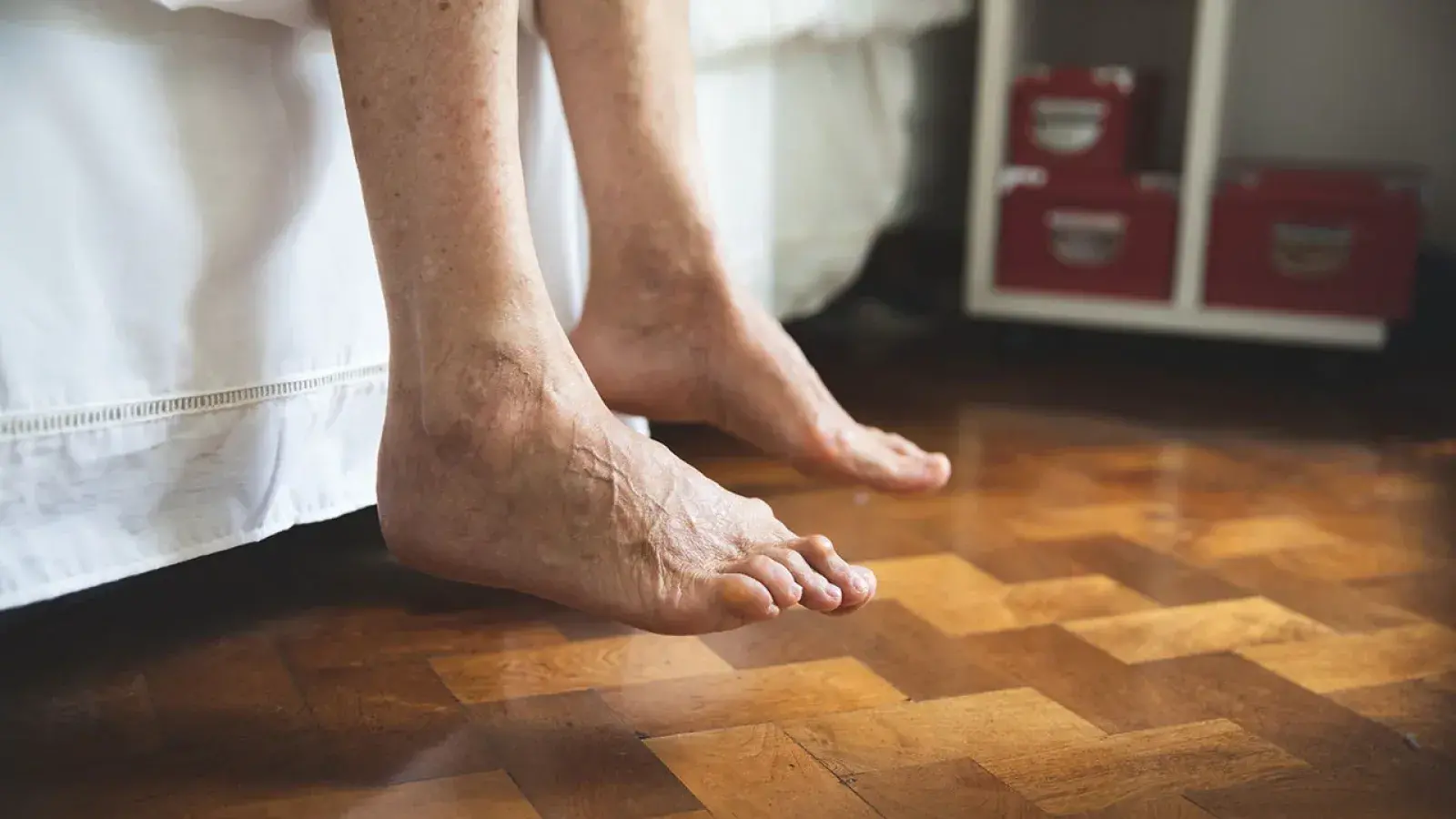
Varicose veins are enlarged, twisted veins that commonly appear beneath the skin of the legs. They develop when the valves inside the veins do not function properly, allowing blood to collect and increasing pressure within the affected veins.
Healthy vein valves help direct blood toward the heart. When these valves become inefficient, blood may flow backward and accumulate in certain veins, causing them to enlarge over time.
Some people notice varicose veins mainly because of their appearance, while others experience symptoms that interfere with comfort and daily activities. In more advanced cases, skin changes or ulcers may develop and require medical assessment.
Not every visible vein indicates large varicose veins that need intervention. Small superficial red, blue, or purple vessels may be spider veins, which are different from larger varicose veins.
What Are the Symptoms of Varicose Veins?
Symptoms vary from person to person. They may become worse after prolonged standing or sitting and improve when resting or elevating the legs.
Common symptoms include:
-
Enlarged, twisted blue or purple veins.
-
Aching, heaviness, or pain in the legs.
-
Swelling of the feet or ankles.
-
Itching or dry skin around affected veins.
-
Tiredness or discomfort after standing for long periods.
-
Skin discoloration around the veins.
-
Leg ulcers near the ankle in some advanced cases.
Not every case requires the same treatment. The decision depends on symptom severity, the findings of the vein assessment, and the effect of the condition on daily life.
Medical evaluation is advisable when varicose veins cause persistent pain or swelling, or when skin changes or non-healing ulcers appear.
What Causes Varicose Veins?
Varicose veins are commonly associated with weakened vein valves. Several factors may increase the likelihood of developing them or contribute to their progression, including:
-
A family history of varicose veins.
-
Aging and changes that may affect vein elasticity.
-
Pregnancy and related hormonal changes.
-
Excess weight, which may increase pressure on the leg veins.
-
Prolonged standing or sitting without enough movement.
-
A previous history of deep vein thrombosis in some people.
Having one of these factors does not mean that varicose veins will necessarily develop. Severity also differs between individuals. Understanding the symptoms and risk factors helps determine whether an assessment is needed and which treatment approach may be appropriate.
How Are Varicose Veins Diagnosed Before Laser Treatment?
Assessment usually begins with a review of symptoms and medical history, followed by examination of the legs to identify prominent veins, swelling, or skin changes.
A doctor may recommend a duplex ultrasound scan, which uses ultrasound to assess blood flow within the veins and identify reflux or problems with vein valves.
This scan helps identify the veins responsible for the varicose veins and plan treatment according to the location and extent of the problem.
Laser treatment should not be selected based only on the visible appearance of the veins. Different treatment options may be appropriate for small superficial vessels, and laser ablation may not be suitable for every vein pattern or patient.
After assessment, the available options, their potential benefits, and possible risks can be discussed.
What Is Laser Treatment for Varicose Veins?
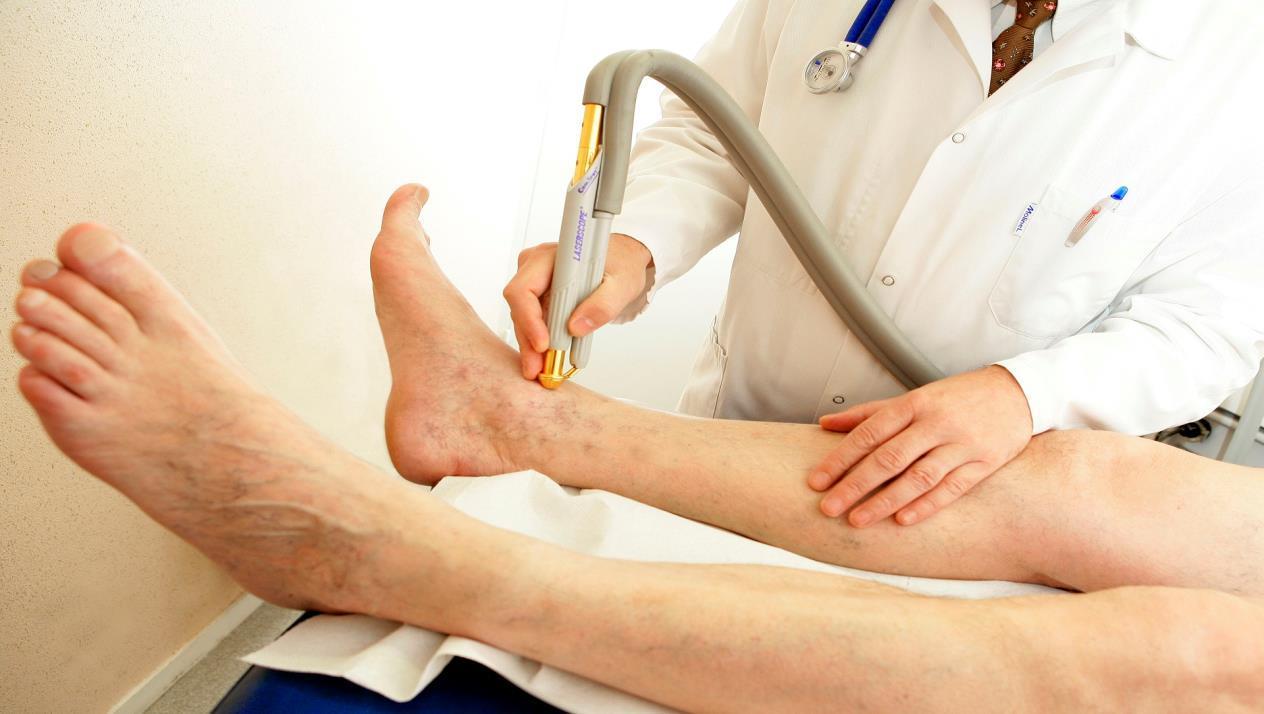
The term laser treatment for varicose veins may refer to Endovenous Laser Ablation (EVLA), a procedure performed from inside the affected vein.
A thin catheter is inserted into the target vein through a small entry point. Ultrasound guidance is used to position the catheter, and laser energy is delivered inside the vein to generate heat and close it.
After the vein is closed, blood is redirected through other healthy veins, and the body gradually deals with the treated vein.
The procedure is commonly performed using local anesthesia around the target vein. Many patients can go home on the same day, depending on their condition and the treatment setting.
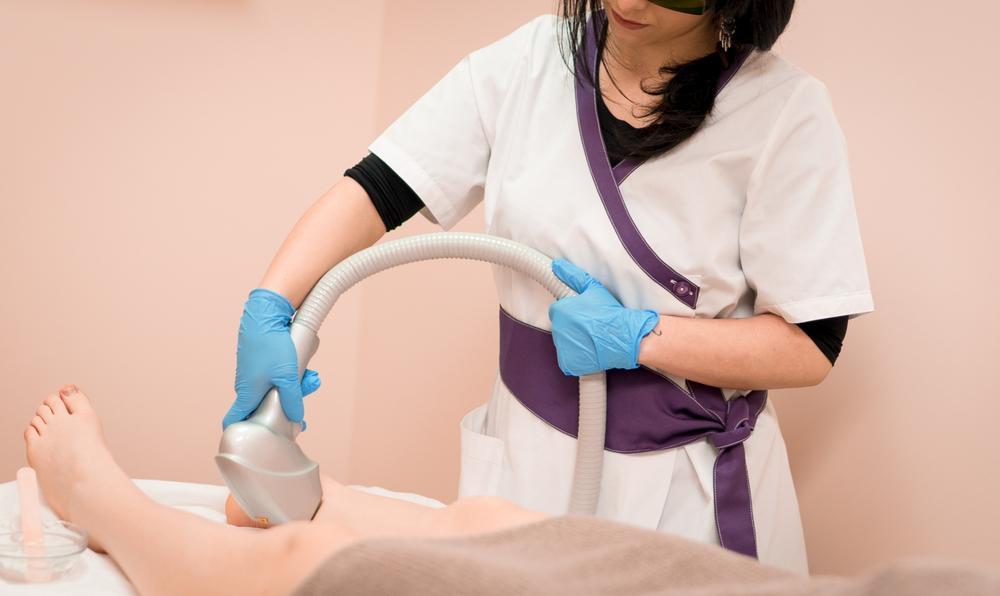
It is important to distinguish endovenous laser treatment from lasers used on the skin for certain small superficial vessels. These techniques have different applications, and endovenous laser ablation is not appropriate for every type of visible vein.
Who May Be Suitable for Laser Treatment?
Endovenous laser ablation may be suitable for some people with symptomatic varicose veins and confirmed reflux in the main superficial veins.
It may be considered when symptoms include aching, heaviness, swelling, or skin changes associated with varicose veins, depending on the assessment findings.
Suitability depends on several factors, including:
-
The location and size of the affected vein.
-
The degree of venous reflux.
-
Symptoms and their effect on daily activities.
-
A history of blood clots or other vein disorders.
-
Overall health and current medications.
-
Whether the vein anatomy is suitable for the proposed procedure.
Laser treatment is therefore not automatically the best option for every patient. Radiofrequency ablation, foam sclerotherapy, or conventional surgery may be considered in other circumstances.
What Are the Potential Benefits of Laser Treatment?
When appropriate for the individual case, endovenous laser treatment may offer several benefits.
Minimally invasive technique: A catheter is inserted through a small entry point rather than using some of the larger incisions associated with conventional surgery.
Potentially shorter recovery: Many patients can resume much of their usual activity relatively soon, depending on the procedure and medical instructions.
Use of local anesthesia: Treatment is commonly performed with local anesthesia around the target vein.
No need to remove the entire vein in selected cases: The procedure closes the affected vein from within rather than removing it completely.
However, outcomes and recovery times vary. Side effects may include bruising, temporary pain, or skin discoloration. Less common complications may include vascular problems, nerve injury, or skin burns.
The benefits, risks, and alternative treatments should therefore be discussed with the treating doctor before a decision is made.
Are There Alternatives to Laser Treatment for Varicose Veins?
Yes. The appropriate option depends on the assessment findings and the location and type of affected veins.
Radiofrequency ablation: This uses heat to close a vein from within and is another endovenous treatment option for suitable cases.
Ultrasound-guided foam sclerotherapy: A special solution is injected into the vein to help close it. It may be considered when thermal ablation is unsuitable or for certain types of varicose veins.
Conventional surgery: Surgery may be considered when less invasive approaches are unsuitable or unavailable.
Compression stockings: These may help relieve swelling and discomfort in selected patients, but they do not close the affected vein and are not the right alternative for every case. Their suitability should be assessed, particularly in people with arterial circulation problems.
No single treatment is appropriate for everyone. Selection should be guided by the diagnosis and discussion with the treating doctor.
How Should You Prepare for Laser Treatment?
Preparation varies according to the procedure and the patient's health. It may include reviewing medical history and current medications and assessing the duplex ultrasound results.
Inform the doctor about previous blood clots, medication allergies, chronic conditions, and medicines that may affect bleeding. Do not stop any prescribed medicine without medical advice.
It is also important to clarify whether compression stockings will be needed after treatment, when work and exercise can be resumed, and how the treated area should be monitored.
Following medical instructions helps support safe preparation and appropriate recovery.
When Do Varicose Veins Require Urgent Medical Assessment?
Medical evaluation is important if a varicose vein bleeds, a leg ulcer appears, or pain and swelling increase.
Sudden swelling in one leg accompanied by pain or redness requires urgent assessment to exclude a blood clot. If this is accompanied by sudden shortness of breath or chest pain, emergency medical assistance is necessary.
Varicose veins associated with marked skin changes or a painful, inflamed vein also require medical evaluation to identify the cause and determine appropriate care.
Laser Treatment for Varicose Veins with Dr. Mohamed Mansour Kamel in Mohandessin
If you have varicose veins, recurring heaviness or swelling, or would like to know whether endovenous laser treatment may be suitable for you, you can contact Dr. Mohamed Mansour Kamel’s General Surgery Clinic in Mohandessin to inquire about an appointment and assessment.
Examination and duplex ultrasound when indicated can help identify the nature of the problem and guide discussion of available treatment options.