
LASIK Surgery: Is It Right for You? Requirements, Risks, and Everything You Need to Know
Introduction
LASIK surgery is one of the most popular vision correction procedures worldwide. Many people ask an important question: Is LASIK right for you? However, not everyone is a suitable candidate, as there are specific medical criteria that must be met. In this article, we will explain everything you need to know before making a decision.
What Is LASIK Surgery?
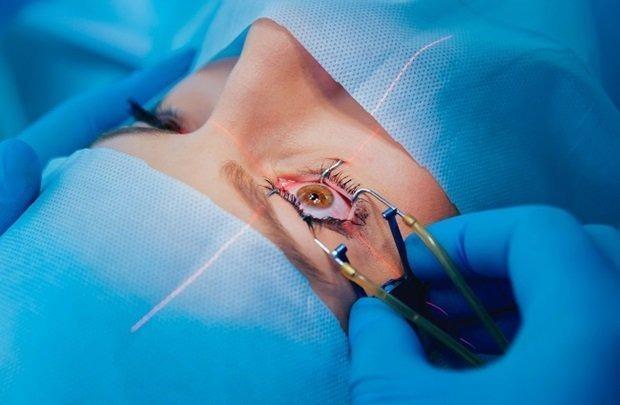
LASIK is a simple surgical procedure that uses laser technology to correct vision problems such as myopia (nearsightedness), hyperopia (farsightedness), and astigmatism.
How Is LASIK Performed?
The procedure reshapes the cornea using a laser to improve how light is focused onto the retina, resulting in clearer vision.
Who Is a Good Candidate for LASIK?
- People with stable vision prescription
- Individuals without serious eye diseases
- Adults over 18 years old
- People with adequate corneal thickness
Who Is Not Suitable for LASIK?
- Patients with weak or thin corneas
- Pregnant or breastfeeding women
- People with chronic eye diseases
- Individuals with unstable vision prescription
Requirements for LASIK Surgery
- Stable vision for at least one year
- Comprehensive eye examination
- No active eye infections
Benefits of LASIK Surgery
- Significant improvement in vision
- Reduced dependence on glasses
- Quick results and recovery
Risks and Post-LASIK Side Effects
- Dry eyes
- Sensitivity to light
- Temporary blurred vision
Success Rate of LASIK Surgery
LASIK surgery has a very high success rate, often exceeding 95%, with most patients experiencing significant vision improvement.
Recovery After LASIK
The eyes need a short recovery period. Patients are advised to rest, avoid eye strain, and follow the doctor’s instructions carefully.
Alternatives to LASIK
- Femto LASIK
- Contact lenses
- Prescription glasses
When Should You See a Doctor?
You should consult an eye specialist before deciding on LASIK to determine whether it is suitable for your condition.
Conclusion
In conclusion, the question “Is LASIK right for you?” depends on your eye health and medical evaluation. The right decision should always be based on a professional medical assessment, not personal experiences.
If you are considering LASIK, consult an eye doctor first to choose the best option for your vision needs.