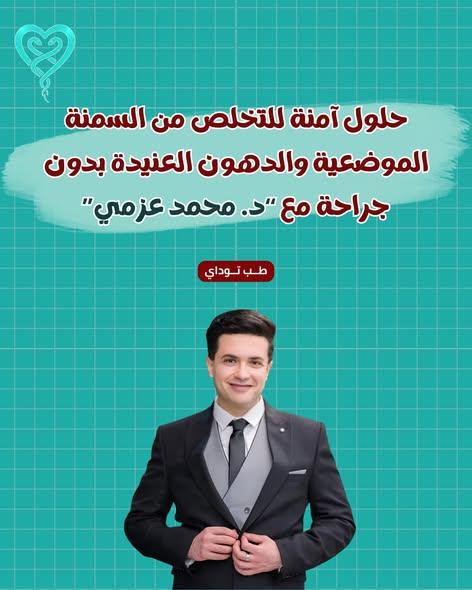
Local Obesity Without Surgery: Dr. Mohamed Azmy’s Approach to Eliminating Stubborn Fat and Tightening Loose Skin
Local fat accumulation may require an integrated plan combining medical nutrition, physical activity, modern fat-reduction techniques, and skin tightening according to each individual case.
By: Dr. Mohamed Azmy
Local Obesity Without Surgery with Dr. Mohamed Azmy: An Integrated Approach to Stubborn Fat
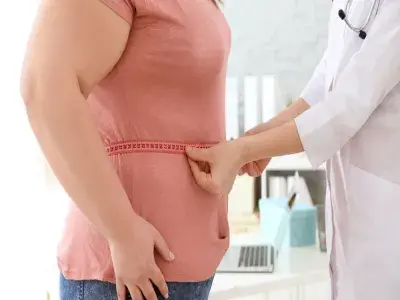
Losing weight does not always mean eliminating fat from every area of the body. Some people may reach a weight close to their target while still having stubborn fat deposits in the abdomen, waist, or other specific areas. This is where local obesity without surgery may require a more comprehensive medical approach. Dr. Mohamed Azmy, Consultant in Therapeutic Nutrition, Obesity Treatment, and Aesthetic Medicine, focuses on an integrated approach that combines personalized nutrition with appropriate lifestyle measures and modern non-surgical techniques when indicated. Anyone considering treatment should begin with a professional medical assessment to determine the most suitable approach for their condition.
[ ”]
”]
Can Stubborn Fat Be Reduced Without Surgery?
Stubborn fat is different from general weight gain. While overall weight loss can reduce body fat, some localized deposits may remain, particularly in specific areas of the body.
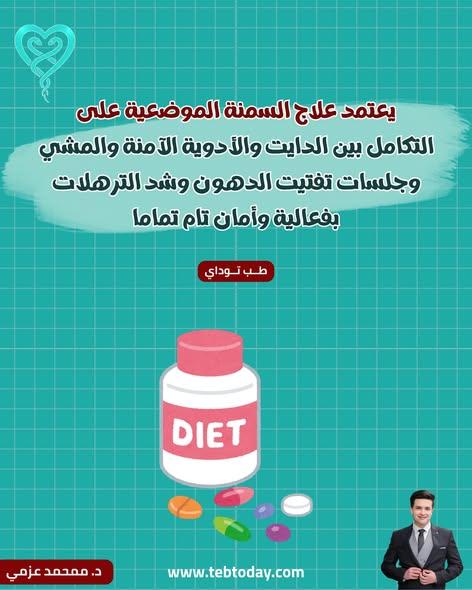
For this reason, treating local obesity should not necessarily depend on one solution or one treatment session. Instead, the approach can be based on what may be described as the “Medical Integration Equation,” which combines several complementary elements:
- A personalized diet based on the individual’s health status and nutritional needs.
- Medically prescribed medications when appropriate to help control appetite and support the weight-loss plan.
- Physical activity, such as walking, according to each person’s physical capacity.
- Fat-reduction sessions targeting localized fat deposits.
- Skin-tightening sessions to improve the appearance of loose skin following weight or fat loss.
The main idea is that each element serves a different purpose, while combining them can create a more comprehensive treatment strategy than relying on a single method.
Why Is Local Fat Different from General Weight Gain?
A person may lose weight and reduce overall body fat without experiencing the same degree of fat loss in every part of the body.
The body does not lose fat evenly from all areas. As a result, some people notice a decrease in their overall weight while localized fat deposits remain.
At this point, the treatment goal becomes more specific. Instead of focusing only on the number on the scale, the plan may also focus on improving fat distribution and body contour, while maintaining healthy nutrition and an appropriate lifestyle.
[ ”]
”]
Modern Techniques for Local Fat Reduction
Non-surgical approaches to localized fat have continued to develop, providing several techniques that may be considered depending on the individual case. Among the techniques that may be incorporated into a treatment plan are:
Laser
Certain laser-based technologies may be used as part of treatment plans designed to improve the appearance of areas with localized fat deposits, depending on the specific technology and the medical assessment of the case.
Cryotherapy or Fat Freezing
Cryotherapy-based body-contouring techniques use controlled cooling to target fat cells in a specific area.
The appropriate technology can vary from one person to another, so there is no single technique that is equally suitable for every case.
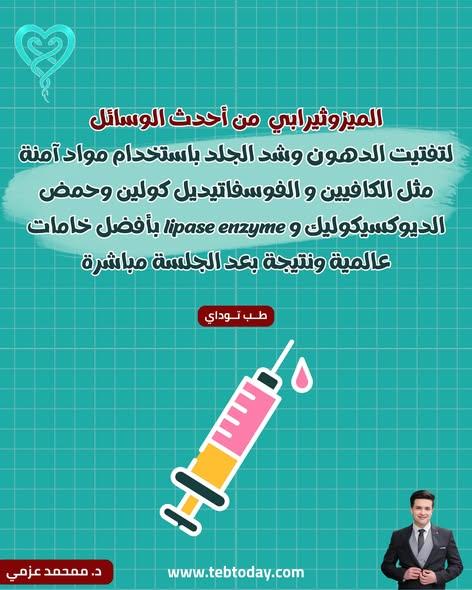
Mesotherapy for Weight Loss
Mesotherapy for weight loss involves the localized application of substances into the targeted area. The materials, concentrations, and treatment protocols can vary depending on the approach and the individual case.
The substances and technique should be selected by a qualified physician after an appropriate assessment rather than treating mesotherapy as a one-size-fits-all procedure.
[ ]
]
Mesotherapy for Weight Loss: How Do the Active Ingredients Work?
Different substances may be included in mesotherapy formulations intended to target localized fat or improve the appearance of the treated area. Their mechanisms vary according to the specific ingredient, concentration, and method of application.
| Active Ingredient | Mechanism or Intended Role |
|---|---|
| Phosphatidylcholine | Included in some formulations used to target localized fat and affect fat cells. |
| Deoxycholic Acid | Acts on fat-cell membranes and is used in certain medical applications for reducing localized fat. |
| Lipase Enzyme | An enzyme involved in breaking down triglycerides into smaller components during fat metabolism. |
| L-Carnitine | Participates in transporting fatty acids into mitochondria, where they can be used for energy production. |
| Caffeine | May be included in some topical or localized formulations to support circulation and influence fat metabolism. |
| DMAE | Used in some topical aesthetic formulations to improve the appearance and perceived firmness of the skin. |
| Artichoke Extract | Included in some cosmetic and localized formulations and may be associated with improving skin appearance and reducing fluid retention depending on the formulation. |
Is Mesotherapy Suitable for Everyone?
Although mesotherapy is a localized procedure and generally does not require a prolonged recovery period, its safety and expected results depend on the substances used, injection technique, and the individual’s medical condition.
Certain health conditions or medications may also affect whether the procedure is appropriate.
For this reason, mesotherapy should not be considered a universal treatment. A proper medical evaluation should come before the procedure.
Individual responses also vary, and some cases may require more than one session depending on the physician’s assessment.
Equipment and Material Quality: An Important Part of Treatment Success
The outcome of stubborn fat reduction does not depend solely on the name of a technology. Several other factors can influence the quality of the results, including:
- The quality of the equipment used.
- Selecting the appropriate technology for the case.
- The quality of the materials and substances used.
- Following appropriate medical standards during the procedure.
- The physician’s experience and technical skill.
- Following pre- and post-treatment instructions.
- Combining localized procedures with a healthy lifestyle when appropriate.
This is why choosing the physician can be just as important as choosing the technology. A proper assessment helps determine whether the patient needs localized sessions, weight loss first, dietary modification, or a combination of approaches.
[ ]
]
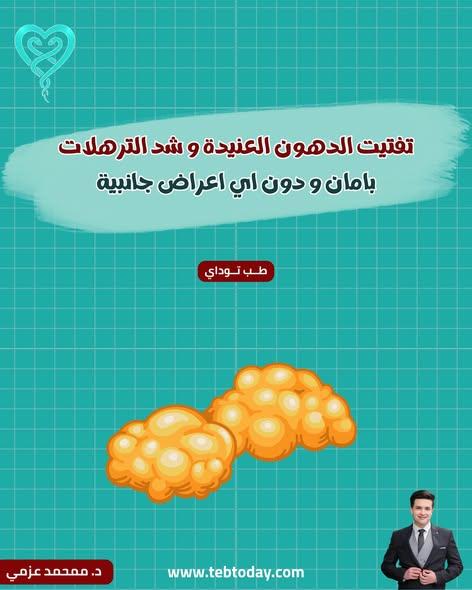
The “Medical Integration Equation”: Why Is One Procedure Not Always Enough?
The approach presented by Dr. Mohamed Azmy is based on a simple principle: managing obesity and localized fat should not necessarily depend on a single procedure.
Fat-reduction sessions may help target a specific localized deposit, but they do not replace healthy nutrition or physical activity. At the same time, a structured diet can support weight reduction and healthier eating habits, but it may not completely eliminate every localized fat deposit.
The Medical Integration Equation therefore combines:
Medical nutrition + appetite management when needed + physical activity + fat reduction + skin tightening
according to the individual needs of each patient.
This integrated approach focuses not only on weight reduction but also on improving body contour and the appearance of areas affected by localized fat and skin laxity.
The Myth of the “One-Size-Fits-All Diet”
One of the most common misconceptions in weight management is the belief that one diet can work equally well for everyone.
Nutritional needs differ according to health status, age, physical activity, body weight, and treatment goals.
For example, the dietary plan for a person with diabetes should not automatically be identical to the plan for someone with hypertension or another medical condition.
Therefore, a weight-loss diet should be designed according to the individual’s condition rather than copied from a general meal plan.
Medical supervision and continuous follow-up are especially important for people with chronic conditions or those taking medications.
[ ”]
”]
What Determines the Success of Local Obesity Treatment?
Results may be influenced by several factors, so no technology should be evaluated independently of the overall treatment plan.
Important factors include:
- The nature and location of the fat deposits.
- Overall body weight and body-fat percentage.
- Skin elasticity and the degree of laxity.
- The technology being used.
- The quality of the equipment and materials.
- The physician’s experience and skill in selecting and applying the treatment.
- Adherence to nutrition and physical activity recommendations.
- The individual response to treatment.
Therefore, achieving a satisfactory outcome is not simply a matter of undergoing a fat-reduction session. It begins with proper assessment and the development of an appropriate treatment plan.
Does Local Obesity Treatment Without Surgery Replace Liposuction?
Not necessarily.
Non-surgical treatments are designed to address localized fat according to the individual case and the technology used, while liposuction is a surgical procedure with a completely different nature.
The first step is therefore to determine the actual goal. Is the main objective weight loss? Localized fat reduction? Skin tightening? Or a combination of several goals?
Answering these questions helps the physician determine the most appropriate approach instead of selecting a procedure simply because it is popular.
Why Should Treatment Begin with a Medical Assessment?
Before choosing mesotherapy for weight loss, cryotherapy, laser treatment, or another technique, the physician needs to understand the nature of the patient’s condition.
Localized fat may be part of a broader weight-management issue, or it may simply be a specific fat deposit in someone who is otherwise close to their healthy target weight.
The presence of chronic diseases or the use of certain medications may also affect treatment selection and the suitability of specific procedures.
Therefore, a professional medical assessment remains the first step toward developing an appropriate and safe plan.
Dr. Mohamed Azmy: An Integrated Vision for Obesity and Localized Fat
The approach of Dr. Mohamed Azmy, Consultant in Therapeutic Nutrition, Obesity Treatment, and Aesthetic Medicine, is based on avoiding the idea that localized obesity can always be solved through a single procedure.
Managing stubborn fat requires looking at the complete picture: nutrition, lifestyle, physical activity, individual body needs, and modern technologies that may be used to improve the appearance of targeted areas.
The goal is to build a plan suited to the individual rather than relying on a fixed prescription or a universal diet.
Frequently Asked Questions About Local Obesity Without Surgery
1. Can local obesity be treated without surgery?
Yes. Certain non-surgical technologies may be used to address localized fat, including cryotherapy, laser-based technologies, and some mesotherapy applications. However, the appropriate technique depends on the physician’s assessment of the fat distribution, health status, and degree of skin laxity.
2. Is mesotherapy for weight loss suitable for everyone?
No. Suitability varies from one person to another, and the substances and treatment protocols may also differ. A medical assessment should therefore be performed before treatment rather than assuming that one formulation or procedure is appropriate for everyone.
3. Is a diet alone enough to eliminate localized fat?
A healthy diet is an essential part of weight management and overall health, but it may not completely eliminate every localized fat deposit. Some cases may therefore benefit from combining medical nutrition and physical activity with localized fat-reduction technologies when appropriate.
Conclusion
Local obesity without surgery should not be viewed as a problem with a single magic solution or one universal technology. It requires understanding the nature of the condition and developing an integrated plan that combines medical nutrition, healthy lifestyle habits, and modern technologies when appropriate.
With Dr. Mohamed Azmy, the treatment philosophy is based on the Medical Integration Equation, which aims to address stubborn fat and improve body contour and skin laxity through a plan tailored to each individual case.
Before choosing any fat-reduction or weight-loss procedure, the most important step is obtaining a professional medical assessment to determine the underlying situation, the desired goal, and the most appropriate treatment approach.
Learn about orthodontic treatment, when braces may be needed, the differences between metal, ceramic, and clear aligners, treatment duration, follow-up, and retention with Dr. Mahmoud Warad in Nasr City.
Discover dental implant, zircon restoration, and veneer services at Nour Al-Islam Center for Dentistry, Implants & Orthodontics in New Borg El Arab, with professional evaluation of teeth and gums to determine the most suitable option for each patient.

Learn about gum treatment and gum aesthetics and how they can help maintain healthy gums while improving their harmony with the teeth for a more attractive smile.

Learn about vacuum dressing for diabetic foot wounds, negative pressure wound therapy, and its role in selected diabetic and postoperative wounds.
