
Low Blood Pressure Symptoms.. Warning Signs That Could Save Your Life
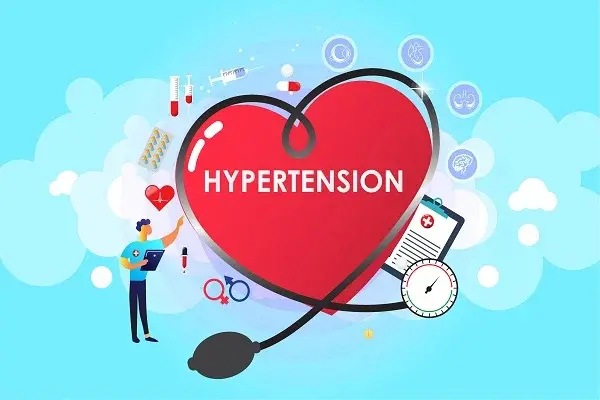
Low blood pressure (hypotension) is a common medical condition that is often underestimated, although in some cases it can indicate a serious health issue requiring immediate medical attention. It occurs when blood pressure drops below normal levels, reducing blood flow to vital organs such as the brain and heart. Symptoms may range from mild and temporary to severe and life-threatening.
What Is Low Blood Pressure?
Blood pressure is considered low when it falls below 90/60 mmHg. While some people naturally have low blood pressure without symptoms, others may experience noticeable health issues that affect daily life and overall well-being.
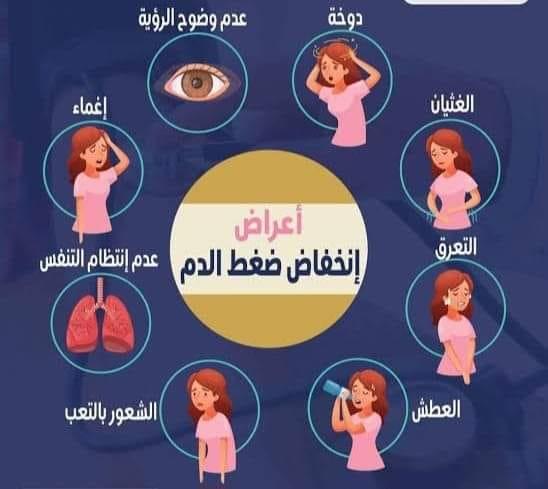
Dizziness and Lightheadedness
One of the most common symptoms is dizziness, especially when standing up quickly. This happens due to reduced blood flow to the brain, which may lead to loss of balance or fainting in severe cases.
Fainting or Loss of Consciousness
Fainting is one of the most serious symptoms of hypotension. It occurs when the brain temporarily does not receive enough oxygen-rich blood, leading to sudden loss of consciousness. This can also cause injuries due to falls.
Severe Fatigue and Weakness
Persistent fatigue without a clear reason may indicate low blood pressure. Reduced blood flow means less oxygen and energy reach the body’s tissues, resulting in constant tiredness and lack of focus.
Blurred Vision
Low blood pressure may cause blurred or tunnel vision due to insufficient blood supply to the eyes and brain. This symptom should not be ignored, especially if it occurs suddenly.
Nausea and Stomach Discomfort
Some individuals may experience nausea or digestive discomfort due to reduced blood circulation affecting the digestive system, sometimes accompanied by loss of appetite.
Cold and Pale Skin
Reduced blood flow can lead to cold hands and feet and pale skin appearance, indicating poor circulation in the body.
Rapid Breathing and Weak Pulse
The body may try to compensate for low blood pressure by increasing heart rate and breathing speed, which may cause palpitations or irregular heartbeat sensations.
When Is Low Blood Pressure Dangerous?
Low blood pressure becomes dangerous when it is accompanied by severe symptoms such as repeated fainting, severe dizziness, chest pain, shortness of breath, or confusion. In such cases, immediate medical attention is required.
Common Causes of Low Blood Pressure
Common causes include dehydration, poor nutrition, certain medications, heart problems, hormonal disorders, or sudden changes in body position such as standing up quickly.
How to Manage Low Blood Pressure
Management includes drinking enough fluids, eating small frequent meals, avoiding sudden posture changes, and following medical advice when symptoms persist.
Conclusion
Low blood pressure is not always dangerous, but ignoring its symptoms can lead to serious complications. Early recognition of warning signs such as dizziness, fainting, and blurred vision can help prevent life-threatening conditions.