
Lumbar Disc Herniation: The Story of Uncle Mahmoud and Its Causes
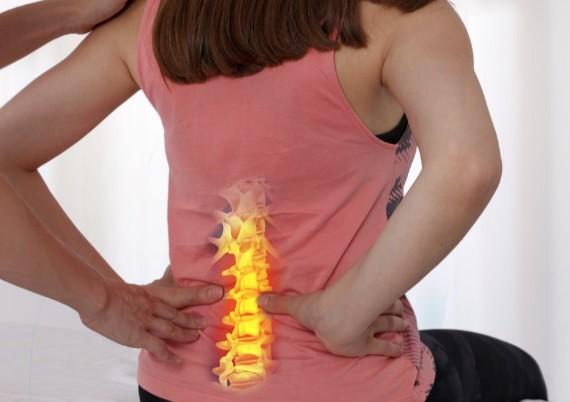
Uncle Mahmoud’s story began with recurring lower back pain. He sometimes experienced stiffness and difficulty moving, but like many people, he kept postponing his medical evaluation because of work and his busy daily schedule. As the pain continued, he began to wonder: Can back pain turn into a herniated disc? And what factors can actually cause lumbar disc herniation?
If you have persistent lower back pain or pain that radiates into the leg, you can contact Dr. Magdy Abdullah Matar to schedule an appointment and have your condition properly evaluated.
📞 For appointments and inquiries:
01023742405
01501095043
💬 WhatsApp: 01023742405
📍 Abbassia Clinic:
91 Abbassia Street - Al-Atebaa Tower - 5th Floor
Saturday, Sunday, Monday, Tuesday and Thursday from 3:00 PM to 5:00 PM
📍 Haram Clinic – Al Mokhtar Medical Center:
1.16 Al Haram Main Street - Corner of Sahl Hamza
Wednesday from 2:00 PM to 4:00 PM
What Is Lumbar Disc Herniation?
Lumbar disc herniation occurs when part of the soft inner material of a spinal disc pushes through a weak area or tear in the disc’s outer layer.
When the herniated disc presses on a nearby nerve, it may cause symptoms such as lower back pain, pain extending into the buttocks and leg, numbness, tingling, or weakness in some of the leg muscles.
Can Back Pain or Inflammation Turn Into a Herniated Disc?
This is an important misconception to clarify.
Back pain or inflammation does not directly turn into a herniated disc. Each condition has different causes and mechanisms. A herniated disc may develop because of gradual changes in the discs over time or because of factors such as lifting heavy objects incorrectly, sudden twisting movements, or physically demanding work.
Therefore, if Uncle Mahmoud had recurring back pain, ignoring it does not necessarily mean that it would turn into a herniated disc. However, continuing activities or habits that place excessive stress on the spine may contribute to ongoing back problems.
What Causes Lumbar Disc Herniation?
Several factors may increase the risk of lumbar disc herniation, including:
1. Aging
As we age, the spinal discs gradually lose some of their flexibility and may become more vulnerable to tears or damage, sometimes even during ordinary movements.
2. Improper Heavy Lifting
Lifting heavy objects using the back instead of the legs can increase pressure on the discs. Twisting while carrying a heavy object may also increase the risk of disc injury.
3. Physically Demanding Work
Jobs that involve lifting, pushing, pulling, bending, or repeated twisting may place additional stress on the lower back.
This is relevant to Uncle Mahmoud’s story: being busy with work alone does not directly cause a herniated disc, but the physical demands and repetitive movements associated with certain jobs can contribute to the risk.
4. Prolonged Sitting
Sitting for long periods and having a sedentary lifestyle may be associated with a higher risk of back problems, particularly when combined with limited physical activity.
Long periods of driving may also place additional stress on the spine.
5. Excess Weight
Carrying excess body weight can increase the load placed on the spine and the discs in the lower back, making it an important risk factor.
6. Smoking
Smoking may affect the health of the spinal discs and is associated with an increased risk of disc degeneration over time.
7. Lack of Physical Activity
Regular movement can help maintain the strength of the core and back muscles, while inactivity may weaken the muscles that support the spine.
What Are the Symptoms of Lumbar Disc Herniation?
Symptoms vary depending on the location of the herniated disc and whether it is affecting a nerve.
Common symptoms include:
- Lower back pain.
- Pain extending to the buttocks, thigh, or leg.
- Numbness or tingling in the leg or foot.
- Weakness in certain leg or foot muscles.
- Increased pain with certain movements, coughing, or sneezing in some cases.
It is important to remember that back pain does not necessarily mean that a person has a herniated disc. There are many possible causes of back pain, so symptoms alone should not be used to determine the diagnosis.
Does Every Herniated Disc Require Surgery?
No.
Many cases of herniated discs improve with non-surgical treatment. The appropriate treatment plan depends on the patient’s symptoms, examination findings, and overall health. Treatment may include medication, physical therapy, and appropriate modifications to daily activities and movement.
Surgery may be considered in some cases, particularly when severe pain persists, significant neurological weakness develops, or symptoms do not improve with appropriate treatment. The decision should be made after a thorough medical evaluation.
When Should You Not Delay Medical Evaluation?
Persistent back pain should not be ignored, especially when it is accompanied by pain radiating into the leg, numbness, tingling, or weakness.
Urgent medical evaluation is needed if symptoms such as loss of bladder or bowel control, difficulty urinating, numbness around the genital or inner-thigh area, or worsening weakness in the legs develop. These symptoms may indicate significant nerve compression and require prompt medical attention.
How Can You Reduce the Risk of Lumbar Disc Herniation?
You can help protect your back by following healthy habits such as:
- Maintaining appropriate physical activity.
- Strengthening the abdominal, core, and back muscles under professional guidance.
- Avoiding improper heavy lifting.
- Bending the knees and using the leg muscles when lifting instead of relying on the back.
- Maintaining a healthy weight.
- Avoiding prolonged periods of sitting without movement.
- Paying attention to proper sitting and standing posture.
Uncle Mahmoud’s Story: An Important Message for Anyone With Back Pain
The problem was not simply the pain Uncle Mahmoud experienced, but also the fact that he kept postponing his medical evaluation because of work and everyday responsibilities.
The most important message is that recurring back pain should not always be treated as something temporary or harmless. There are many possible causes, and proper evaluation can help identify the source of the pain and determine the appropriate treatment plan.
If you have persistent lower back pain or symptoms extending into the leg, do not rely on painkillers or self-diagnosis for a prolonged period. Seek an appropriate medical evaluation.
Dr. Magdy Abdullah Matar – Appointments and Inquiries
📞 Phone:
01023742405
01501095043
💬 WhatsApp:
01023742405
📍 Abbassia Clinic:
91 Abbassia Street - Al-Atebaa Tower - 5th Floor
Saturday, Sunday, Monday, Tuesday and Thursday from 3:00 PM to 5:00 PM
📍 Haram Clinic – Al Mokhtar Medical Center:
1.16 Al Haram Main Street - Corner of Sahl Hamza
Wednesday from 2:00 PM to 4:00 PM
Appointments are required in advance.
Medical Disclaimer
The information in this article is provided for general educational purposes and does not replace a medical examination. The causes, symptoms, and treatment of back pain and lumbar disc herniation vary from one patient to another. The appropriate diagnosis and treatment plan should be determined by a physician after evaluating the patient.