
What is Blood Pressure and Why Regular Monitoring is Vital: A Complete Guide to the Silent Killer
A clinical exploration of baseline hemodynamics, target ranges, hidden cardiovascular hazards, and proven preventive measures.
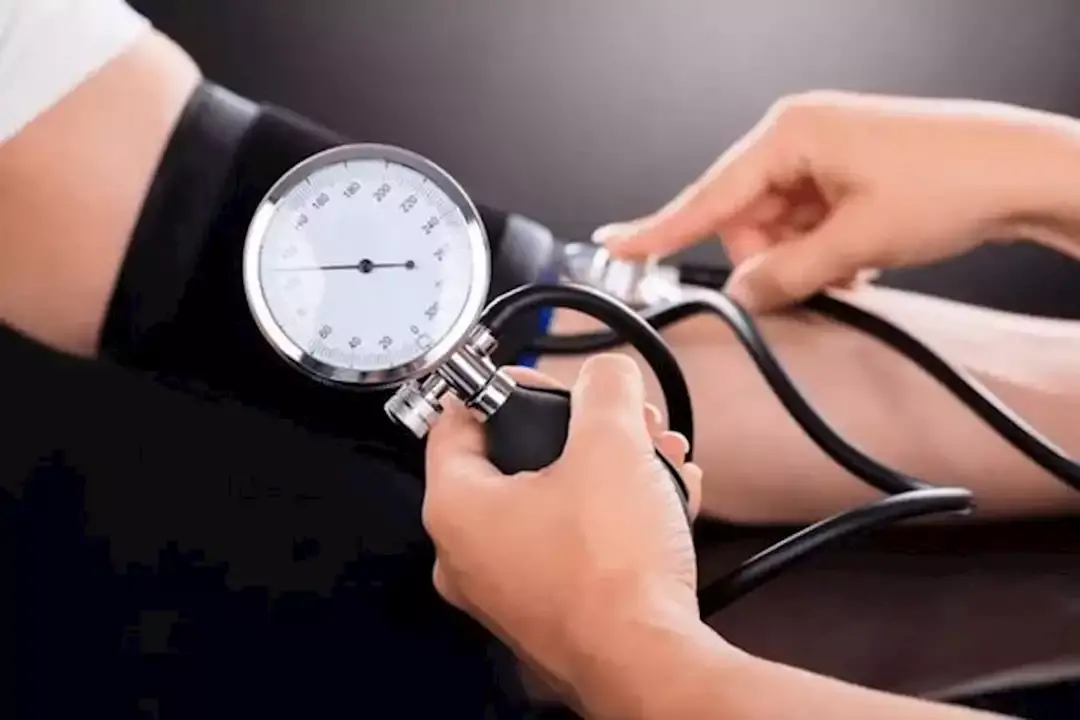
Blood pressure is one of the most critical vital signs reflecting the efficiency of the human circulatory system. In straightforward physiological terms: blood pressure is the mechanical lateral force exerted by circulating blood against the walls of arteries as the heart pumps oxygen-rich blood to systemic organs and tissues—from cerebral hemispheres and kidneys to distal extremities.
Why is Hypertension Known Worldwide as the "Silent Killer"?
The chief clinical danger of high blood pressure lies in its ability to quietly ravage vascular architecture over decades without presenting overt symptoms. An individual can remain completely oblivious while unmitigated arterial pressure causes sustained mechanical damage to vital organs:
🫀 The Myocardium
Forces the left ventricle to pump harder against high systemic resistance, progressing from concentric hypertrophy to myocardial dilation and heart failure.
🧠 Cerebral Arteries
Weakens cerebral micro-vessels, predisposing patients to ischemic thrombotic strokes, transient ischemic attacks (TIA), or sudden intracranial hemorrhage.
🩺 Renal & Retinal Microvasculature
Damages delicate glomerular filtering units causing progressive chronic kidney disease (CKD), and causes hypertensive retinopathy that imperils vision.
Best Practices for Accurate Blood Pressure Measurement
To ensure valid readings and eliminate erroneous stress-induced spikes, Dr. Ahmed Mahmoud El-Shweikhy recommends following these procedural standards:
- Prior Rest: Rest quietly in a comfortable seated position for at least 5 minutes before taking a reading.
- Eliminate Stimulants: Refrain from caffeine, tobacco, or strenuous aerobic exertion for a minimum of 30 minutes beforehand.
- Correct Arm Ergonomics: Rest your supported arm on a flat surface so that the inflatable cuff aligns exactly with the level of the heart.
- Avoid Single-Reading Diagnoses: Hypertension is never diagnosed from one isolated test. Ambulatory Blood Pressure Monitoring (ABPM / Holter) or serial multi-day tracking is needed.
🩺 Specialized Cardiovascular Care by Dr. Ahmed Mahmoud El-Shweikhy
As an established Specialist in Cardiology and Vascular Diseases, Dr. Ahmed El-Shweikhy provides cutting-edge diagnostics and tailored therapeutic management:
- Evaluation, secondary etiology screening, and personalized pharmacological titration for resistant hypertension.
- 12-lead diagnostic electrocardiograms (ECG) for arrhythmia analysis and ischemic detection.
- Management of coronary artery disease, chronic stable angina, and atherosclerosis.
- Congestive heart failure management and myocardial functional assessment.
- Comprehensive cardiovascular disease prevention for high-risk diabetic, smoker, and dyslipidemic patients.
❓ Frequently Asked Questions
Schedule an Appointment for Cardiovascular Examination & Blood Pressure Care
With Dr. Ahmed Mahmoud El-Shweikhy – Cardiovascular Disease Specialist in Maadi