
Male Infertility and Delayed Conception Treatment | Dr. Osama El-Gendy Urology and Andrology Clinics
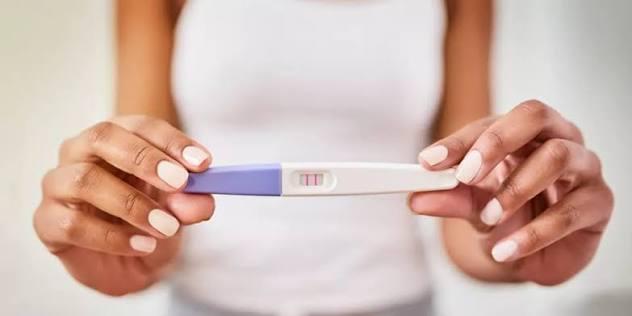
Infertility and delayed conception can affect couples for different reasons related to the man, the woman, or both partners. When pregnancy does not occur after a period of trying, understanding the possible causes and arranging an appropriate medical assessment are important steps toward identifying the next course of action.
Dr. Osama El-Gendy Urology and Andrology Clinics provide an opportunity to inquire about the assessment of male fertility concerns, understand factors that may affect reproductive function, and discuss available options based on medical evaluation and test results.
📍 Dr. Osama El-Gendy Urology and Andrology Clinics
Address: Country Mall, second floor, Shorouk City 1, next to El-Shebrwy Mall.
Clinic phone: 01034112315
WhatsApp: 01151510558
.jpg)
What Are Infertility and Delayed Conception?
Delayed conception generally refers to not achieving pregnancy after a period of regular, unprotected intercourse. Fertility assessment is usually recommended after 12 months of trying if the female partner is under 35, or after six months if she is 35 or older. Earlier assessment may be appropriate when either partner has known factors that could affect fertility.
Infertility is a medical term used when pregnancy has not occurred after a period of trying. It may be associated with factors affecting the man, the woman, or both partners. In some cases, initial investigations do not identify a clear cause.
Delayed conception does not necessarily mean that pregnancy is impossible. The underlying causes and available treatment options vary from one couple to another.
What Causes Male Infertility?
Male fertility can be affected by several factors involving sperm production, movement, or the ability of sperm to reach and fertilize an egg.
Possible causes include:
-
Low sperm count: This may reduce the likelihood of fertilization, depending on the degree of reduction and other fertility factors.
-
Reduced sperm motility: This may affect the ability of sperm to reach the egg.
-
Changes in sperm morphology: These may be associated with fertility problems, although morphology alone does not determine fertility in every case.
-
Varicocele: In some men, enlarged veins around the testicle may be associated with changes in semen parameters.
-
Hormonal disorders: These can affect sperm production or sexual function.
-
Obstruction of the sperm transport pathways: A blockage may prevent sperm from entering the semen.
-
Certain infections or medical conditions: These may affect the reproductive system or functions related to fertility.
-
Ejaculation or erectile difficulties: These may make conception more difficult in some circumstances.
The presence of any one factor does not automatically mean that a man cannot father a child. Assessment depends on the full clinical picture and test results.
What Signs May Require a Fertility Assessment?
Some men with fertility problems have no obvious symptoms, making delayed conception the only sign that leads them to seek assessment.
Other symptoms or medical history details may warrant discussion with a clinician, including:
-
Testicular pain or swelling.
-
A noticeable change in testicular size.
-
Previous infections or surgery involving the reproductive system.
-
Persistent erectile or ejaculation difficulties.
-
Reduced sexual desire accompanied by other symptoms that may suggest a hormonal problem.
Symptoms alone cannot establish the cause. Diagnosis relies on medical history, examination, and appropriate investigations.
How Is Male Infertility Diagnosed?
Fertility assessment usually begins with a review of medical and reproductive history, current medications, and previous health conditions or surgeries that may affect reproductive function.
The assessment may include several steps.
Semen Analysis
Semen analysis is one of the main tests used to assess male fertility. It measures sperm count, movement, shape, and other semen characteristics.
In some cases, the test may need to be repeated because results can vary. A single result may not provide a complete picture of a man's fertility.
Medical Examination
The examination may include an assessment of the testicles and reproductive system, including signs that could be associated with varicocele or other conditions affecting fertility.
Hormone Tests
A clinician may request hormone tests when symptoms or initial findings suggest a possible hormonal disorder affecting sperm production or reproductive function.
Additional Tests When Needed
Some cases may require further investigations, such as ultrasound, genetic testing, or specialized assessments. The decision depends on medical history, examination findings, and semen analysis results.
Not every man with delayed conception requires all these tests. The clinician determines which investigations are appropriate for the individual case.
What Are the Treatment Options for Male Infertility?
Treatment depends on the cause identified during the assessment. There is no single treatment plan suitable for every patient.
Options may include:
-
Treatment of hormonal disorders: When a hormonal problem affecting fertility is confirmed, appropriate treatment may be prescribed.
-
Management of varicocele: Treatment may be considered in selected cases based on examination findings, semen analysis, and other fertility factors.
-
Treatment of certain infections: If an infection is diagnosed, the clinician selects the appropriate treatment.
-
Management of blocked sperm pathways: Specialized assessment may be needed to determine the available options.
-
Treatment of erectile or ejaculation difficulties: Addressing these problems may improve the possibility of conception when they interfere with reproduction.
-
Assisted reproductive techniques: Depending on the couple's assessment, options such as intrauterine insemination, in vitro fertilization, or intracytoplasmic sperm injection may be discussed.
Hormones, fertility medications, and supplements should not be used without medical advice. External testosterone, for example, can suppress sperm production and negatively affect male fertility.
Is Delayed Conception Only the Man's Responsibility?
No. Difficulty achieving pregnancy may be associated with factors affecting the man, the woman, or both. In some cases, no clear cause is identified.
For this reason, evaluating both partners is generally preferable to focusing on only one. A joint assessment can provide a clearer understanding of possible contributing factors and help guide the next steps.
How Can Men Support Their Fertility?
Some healthy habits may support general and reproductive health, although they cannot treat every cause of infertility.
Helpful measures may include:
-
Maintaining a healthy weight.
-
Following a balanced diet.
-
Exercising regularly.
-
Avoiding smoking and recreational drugs.
-
Limiting prolonged exposure to excessive heat when relevant to fertility concerns.
-
Consulting a clinician before using testosterone, hormonal substances, or non-prescribed supplements.
-
Managing chronic health conditions with appropriate medical care.
The benefits of these measures depend on the underlying cause. They should not replace medical assessment when conception is delayed.
When Should You Consult an Andrologist?
Medical assessment is recommended when pregnancy has not occurred within the recommended timeframe, or earlier if either partner has a known condition that may affect fertility.
An appointment should also be considered when there is a history of testicular or reproductive-system problems, or when symptoms such as testicular pain, swelling, or persistent sexual dysfunction occur.
Assessment helps determine which tests are needed and which options may be appropriate, rather than relying on assumptions or trying treatments without a diagnosis.
Male Infertility Assessment at Dr. Osama El-Gendy Clinics
If you are seeking an assessment for male fertility concerns or want to understand the possible causes of delayed conception and the available options, you can contact Dr. Osama El-Gendy Urology and Andrology Clinics to inquire about appointments.
Address: Country Mall, second floor, Shorouk City 1, next to El-Shebrwy Mall.
Clinic phone: 01034112315
WhatsApp: 01151510558
Male infertility and delayed conception can result from several factors, including sperm abnormalities, varicocele, hormonal disorders, and certain reproductive-system conditions. Identifying the cause may require medical assessment, semen analysis, and additional tests when indicated.
Treatment varies according to the diagnosis. Evaluating both partners and discussing the available options with a clinician are important steps toward choosing an appropriate approach for each couple.