


Managing Different Types of Eczema and Psoriasis | Magenta Dermatology and Aesthetic Clinic
Introduction
Eczema and psoriasis are skin conditions that may cause itching, redness, dryness, and the development of patches or scales. Their symptoms can affect daily comfort and quality of life. Magenta Dermatology and Aesthetic Clinic provides a point of contact for inquiries about the assessment of these skin conditions and discussion of suitable management options. Eczema and psoriasis differ in their nature, types, and triggers. Accurate diagnosis and an understanding of factors that worsen symptoms are important steps toward developing an individualized treatment plan.
Magenta Dermatology and Aesthetic Clinic: Contact Information
📍 Address: North 90th Street, Trivium Business Complex, Second Floor, Clinic 211, Fifth Settlement, New Cairo, Cairo, Egypt.
☎️ Phone and WhatsApp:
What Is the Difference Between Eczema and Psoriasis?
Although eczema and psoriasis may share some visible symptoms, they are different skin conditions with distinct underlying mechanisms and contributing factors.
Eczema is a general term for a group of inflammatory skin conditions that cause itching, dryness, and irritation. It may be associated with an impaired skin barrier and increased sensitivity to certain irritants and environmental factors.
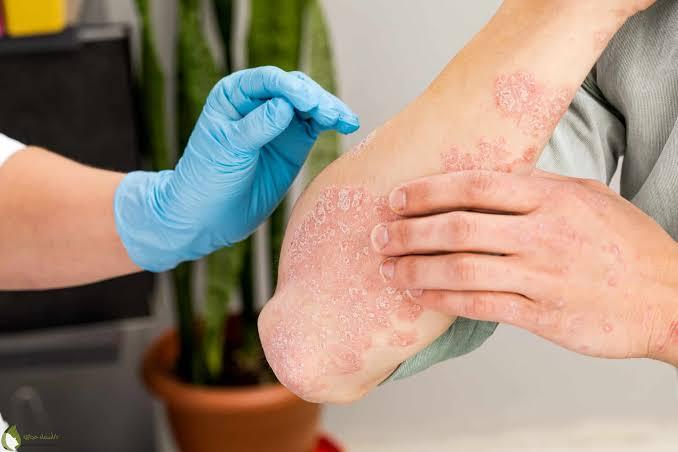
Psoriasis is a chronic inflammatory condition associated with immune system dysfunction. It causes skin cells to renew more rapidly than usual, leading to a buildup of cells and the development of thick, scaly patches.
Some forms of these conditions may look similar, especially when they affect the scalp, hands, or skin folds. Appearance alone is therefore not always enough to establish the correct diagnosis.
What Are the Types and Symptoms of Eczema?
Eczema includes several types, and their symptoms and affected areas vary.
Atopic Dermatitis
Atopic dermatitis is one of the most common types of eczema. It may begin during childhood or develop at any age. Symptoms include dry skin, itching, and inflammation, often appearing in flare-ups that improve and then return.
It commonly affects the folds of the elbows and knees and the hands. In young children, it may also affect the face.
Contact Dermatitis
Contact dermatitis develops when the skin reacts to an irritating substance or an allergen. Possible triggers include certain soaps, detergents, fragrances, cosmetics, and metals.
Symptoms may include redness, itching, dryness, cracking, or blisters. The affected areas are often those that came into direct contact with the triggering substance.
Dyshidrotic Eczema
Dyshidrotic eczema usually affects the palms of the hands or soles of the feet. It may cause small blisters accompanied by intense itching or a burning sensation.
Some flare-ups may be associated with sweating, heat, or exposure to certain substances. Medical assessment can help identify contributing factors.
Nummular Eczema
Nummular eczema causes round or oval patches that resemble coins. These patches may be itchy, dry, and scaly, and can appear on the arms, legs, or other parts of the body.
Seborrheic and Stasis Dermatitis
Seborrheic dermatitis may affect the scalp, face, and other oil-rich areas, causing redness and scaling. Stasis dermatitis is commonly associated with poor venous circulation in the legs and may cause dry, itchy, or discolored skin.
The appropriate management differs between these conditions, making accurate diagnosis important before treatment begins.
What Are the Different Types of Psoriasis?
Psoriasis does not have only one appearance. Several types differ in their symptoms, severity, and affected areas.
Plaque Psoriasis
Plaque psoriasis is the most common type. It appears as raised, thick patches covered with white or silvery scales. Commonly affected areas include the elbows, knees, scalp, and lower back.
Guttate Psoriasis
Guttate psoriasis appears as multiple small spots or drop-shaped patches. It may develop following certain infections, particularly streptococcal throat infections, and is more common in children and young adults.
Inverse Psoriasis
Inverse psoriasis affects skin folds, such as the armpits, groin, and areas beneath the breasts. It may appear as smooth red or discolored areas with less visible scaling because of moisture and friction.
Pustular Psoriasis
Pustular psoriasis causes pus-filled bumps that are not necessarily due to a bacterial infection. It may be localized to the hands and feet or affect larger areas of the body. Some forms can be severe and require urgent medical attention.
Erythrodermic Psoriasis
Erythrodermic psoriasis is a rare but serious form that may cause widespread redness and scaling over large areas of the body. It may also affect body temperature regulation and cause a rapid heartbeat. This condition requires urgent medical assessment.
Psoriasis can also affect the scalp and nails. Some patients develop psoriatic arthritis, which may cause joint pain, swelling, or stiffness.
What Can Trigger Eczema and Psoriasis Flare-Ups?
Triggers vary between individuals. Repeated exposure to certain factors may worsen symptoms or increase the frequency of flare-ups.
Factors that may aggravate eczema include:
-
Soaps, detergents, and strong fragrances.
-
Heat, sweating, and weather changes.
-
Certain fabrics and materials that touch the skin.
-
Dry skin and insufficient moisturizing.
-
Emotional stress.
-
Certain allergies or skin infections.
Psoriasis flare-ups may be associated with:
-
Stress and psychological pressure.
-
Certain infections.
-
Skin injuries, scratches, and burns.
-
Smoking and excess weight.
-
Certain medications.
-
Sudden withdrawal of some treatments, particularly systemic corticosteroids.
These factors do not affect everyone in the same way. Keeping a record of flare-ups and the circumstances preceding them may help identify individual triggers.
How Is Eczema Managed?
Eczema management aims to reduce inflammation and itching, support the skin barrier, and decrease the frequency of flare-ups.
Depending on the medical assessment, the treatment plan may include:
Regular moisturizing: Applying suitable moisturizers regularly helps reduce dryness and support the skin's protective barrier.
Avoiding irritants: Avoiding fragranced products, harsh detergents, and other triggers may help reduce skin irritation.
Topical treatments: A dermatologist may prescribe anti-inflammatory creams or ointments, such as topical corticosteroids or suitable alternatives. The choice, strength, and duration depend on the affected area and severity.
Other treatment options: Some moderate or severe cases may require additional options, such as phototherapy or medicines that affect immune activity, depending on the diagnosis and medical follow-up.
Corticosteroids and mixed medicated creams should not be used without medical advice. The appropriate product and duration vary according to the affected area and the nature of the condition.
How Is Psoriasis Managed?
Psoriasis management aims to reduce inflammation and scaling, improve the appearance of the skin, and control flare-ups. Treatment options depend on the affected area, disease severity, and extent of involvement.
A dermatologist may consider:
-
Topical treatments: Certain creams and ointments help reduce inflammation and scaling.
-
Moisturizers: These may help reduce dryness and cracking and improve skin comfort.
-
Phototherapy: This may be suitable for selected cases and requires medical supervision and controlled treatment sessions.
-
Systemic medications: These may be considered for moderate or severe psoriasis and require appropriate medical monitoring and tests.
-
Biologic therapies: These may be an option for certain patients with moderate to severe psoriasis. A dermatologist assesses their suitability by considering potential benefits and risks.
There is no single treatment that works for every type of psoriasis. Some patients may need topical treatment alone, while others may require a combination of approaches.
Why Is Accurate Diagnosis Important Before Treatment?
Eczema and psoriasis can resemble other skin conditions, including fungal infections, allergies, and different forms of dermatitis. Accurate diagnosis is therefore essential before selecting treatment.
Assessment generally includes a skin examination and a review of symptoms, their onset, previous treatments, and factors that make them better or worse. Some cases may require additional tests or a skin biopsy when the diagnosis is unclear.
Recurring joint pain or stiffness in a person with psoriasis should also be assessed because it may indicate psoriatic arthritis and require further evaluation.
When Should You Seek Prompt Dermatological Care?
Eczema requires prompt assessment if blisters, unusual discharge, or crusting develop, or if pain, swelling, and redness suddenly increase. Fever may also indicate a possible skin infection that needs timely treatment.
Generalized pustular psoriasis or severe redness and scaling affecting large areas of the body, particularly when accompanied by fever, chills, or a rapid heartbeat, may indicate a medical emergency requiring hospital care.
Persistent or recurring symptoms despite treatment should also be reviewed, as the diagnosis or treatment plan may need to be reconsidered.
Managing Eczema and Psoriasis at Magenta Dermatology and Aesthetic Clinic
If you experience itching, dryness, or recurring patches and scales on your skin, a medical assessment can help determine whether the problem is eczema, psoriasis, or another skin condition.
You can contact Magenta Dermatology and Aesthetic Clinic to inquire about the assessment of skin conditions and discuss suitable options for managing symptoms according to the type and severity of the condition and each patient's needs.
📍 Address: North 90th Street, Trivium Business Complex, Second Floor, Clinic 211, Fifth Settlement, New Cairo, Cairo, Egypt.
☎️ For appointments and inquiries:
Conclusion
Eczema and psoriasis differ in their nature, types, and triggers. However, accurate diagnosis and an appropriate management plan can help control inflammation and itching and reduce the frequency of flare-ups.
Managing these conditions does not involve using the same cream for everyone. It requires an assessment of the condition, its severity, and the affected areas, followed by suitable treatment and follow-up.
If you are seeking an assessment for a recurring skin condition or want to learn about options for managing eczema and psoriasis, you can contact Magenta Dermatology and Aesthetic Clinic in Fifth Settlement.
