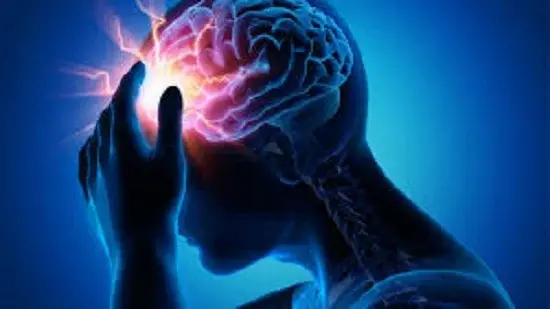

🧠 Neurology: The Comprehensive Guide to Nervous System Health and the Latest Diagnostic and Treatment Methods
🧠 Introduction
Neurology is one of the most important and precise medical specialties that focuses on the study of the nervous system in all its components, including the brain, spinal cord, and peripheral nerves. This system is responsible for controlling all body functions, whether voluntary such as movement, or involuntary such as breathing and heart rate regulation.
With the tremendous advancement in modern medicine, it has become possible to diagnose and treat many neurological diseases that were once considered untreatable, thanks to modern technologies such as MRI, electroencephalography (EEG), and artificial intelligence in medical analysis.
🧬 What is Neurology?
Neurology is a branch of internal medicine that focuses on:
- Diagnosing central nervous system disorders
- Treating brain and spinal cord diseases
- Managing chronic neurological conditions
- Dealing with movement and balance disorders
- Diagnosing and treating different types of headaches
Neurologists rely on a detailed clinical examination along with advanced investigations to reach an accurate diagnosis and develop an appropriate treatment plan.
🧠 Components of the Nervous System
1. Brain
The brain is the main control center of the body, responsible for thinking, memory, movement, emotions, and decision-making.
2. Spinal Cord
It transmits nerve signals between the brain and the rest of the body and plays a key role in reflex actions.
3. Peripheral Nerves
They carry signals to and from the central nervous system and control sensation and movement.
⚡ Importance of the Nervous System in the Human Body
The nervous system is responsible for regulating everything in the body, including:
- Controlling movement and sensation
- Regulating internal organ functions
- Processing information and thinking
- Coordinating reflex actions
- Maintaining balance
Any dysfunction in this system may lead to serious problems such as paralysis, memory loss, or movement disorders.
🧠 Most Common Neurological Diseases
1. Stroke
Occurs when blood flow to part of the brain is interrupted, leading to nerve cell damage. It is a medical emergency that requires immediate intervention.
2. Epilepsy
A neurological disorder that causes recurrent seizures due to abnormal electrical activity in the brain.
3. Multiple Sclerosis
A chronic autoimmune disease that affects the nervous system and leads to problems with movement and balance.
4. Parkinson’s Disease
A progressive neurological disorder that affects movement and causes tremors and slowed motion.
5. Alzheimer’s Disease
A degenerative condition that leads to memory loss and cognitive decline.
6. Migraine
A severe type of headache accompanied by symptoms such as nausea and sensitivity to light.
7. Neuritis
Occurs due to injury or disease and causes pain, numbness, and weakness in the limbs.
🧪 Diagnostic Methods in Neurology
Doctors rely on several advanced diagnostic tools, including:
- Magnetic Resonance Imaging (MRI)
- Computed Tomography (CT Scan)
- Electroencephalography (EEG)
- Electromyography (EMG)
- Cerebrospinal fluid analysis
These tests help precisely locate the problem and determine the appropriate treatment plan.
🛠️ Treatment Methods for Neurological Diseases
💊 Drug Therapy
- Anticonvulsant medications
- Movement-regulating drugs
- Neuropathic pain relievers
- Cognitive enhancers
⚡ Physical Therapy
Helps improve movement and balance, especially after strokes.
🧠 Neurorehabilitation
Therapeutic programs that help patients regain daily functions.
🧬 Surgical Intervention
Used in cases such as brain tumors or spinal cord injuries.
🧬 Modern Technologies in Neurology
- Brain electrical stimulation
- Robotics in neurological rehabilitation
- Stem cell therapy
- Artificial intelligence in diagnosis
🥗 Prevention of Nervous System Diseases
- Healthy nutrition
- Regular exercise
- Adequate sleep
- Stress reduction
- Avoiding smoking
⚠️ Risk Factors for Neurological Diseases
- High blood pressure
- Diabetes
- Obesity
- Smoking
- Genetic factors
👨⚕️ When to See a Neurologist?
- Chronic or severe headaches
- Numbness or weakness in limbs
- Loss of balance
- Seizures or convulsions
- Memory problems