New Scientific Study Reveals a Breakthrough: Artificial Intelligence Opens a New Door to Stroke Treatment
New research shows that artificial intelligence significantly improves stroke diagnosis speed, boosting chances of early surgical intervention and patient survival.

A recent study has shown that artificial intelligence is transforming stroke care by enabling patients to receive critical treatment much faster, leading to higher recovery rates and fewer long-term complications. According to the findings, AI-powered medical tools help doctors identify severe stroke cases within minutes of symptom onset, allowing rapid intervention to remove life-threatening clots.
Researchers explained that the tool analyzes medical images in real time, increasing the likelihood of performing timely thrombectomy procedures, which are most effective during the early hours of a stroke. The study also revealed that patients examined using the AI technology were more likely to undergo clot-removal surgery or receive intravenous clot-dissolving treatments.
Global statistics indicate that stroke remains one of the leading causes of death, affecting around 15 million people every year. Of them, 5 million die, while another 5 million suffer permanent disabilities affecting speech, vision, and mobility.

Regular health screening is one of the most important steps to maintain good health and detect diseases early. The essential medical checkups for every age help in preventing complications and ensuring a healthier life.
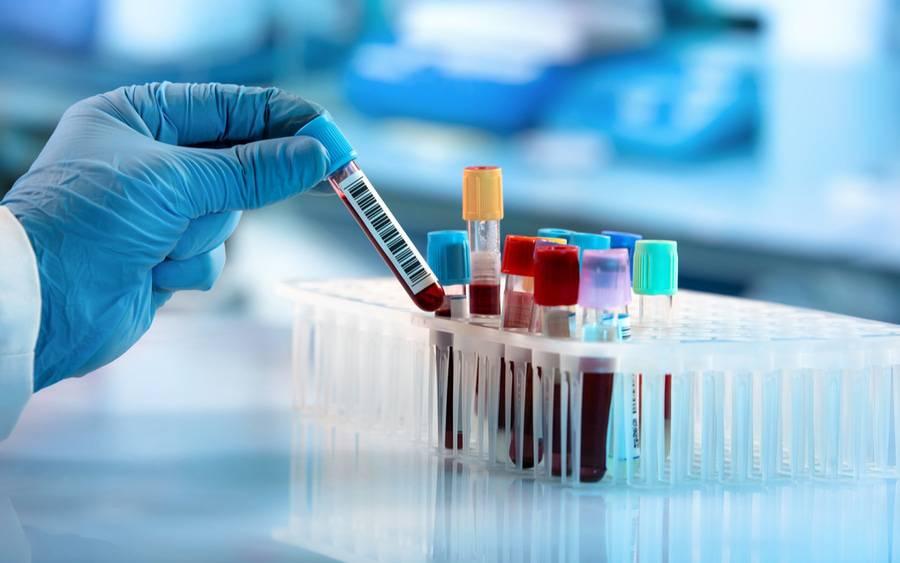
Many people, after doing medical tests, receive their results and immediately start looking at numbers and unfamiliar terms like (High – Low – Normal) without fully understanding what they actually mean.

When dealing with medical services, many people come across different titles for doctors such as “Specialist” and “Consultant”, which can sometimes create confusion about what each title actually means and how they differ from each other.

Choosing the right time to visit a doctor is not a random decision. It can directly affect how quickly a condition is diagnosed and how effective the treatment will be. Many people delay visiting a doctor or go at the wrong time, which may lead to worsening symptoms or delayed care.
