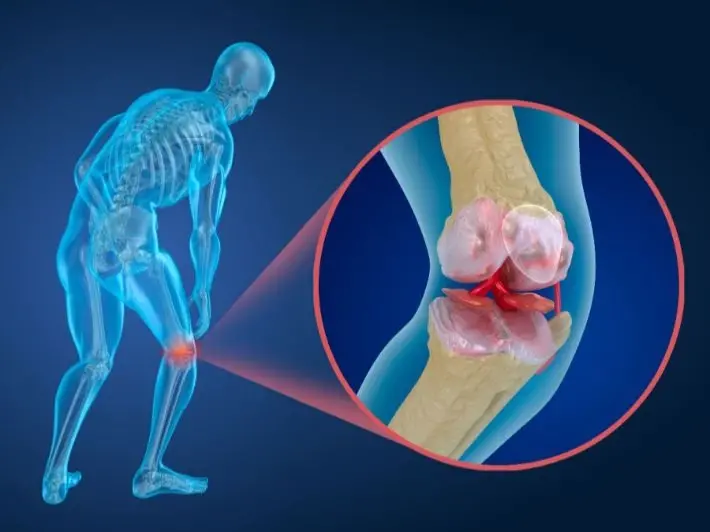

Non-Surgical Treatment for Joint Pain and Osteoarthritis in Giza | 3 Modern Techniques with Prof. Dr. Mohamed Yousry
Many people experience joint stiffness, knee pain, and discomfort that can affect walking, mobility, and everyday activities. With advances in pain management, several non-surgical treatment options may help selected patients reduce pain and improve movement, depending on the underlying cause and severity of their condition. Professor Mohamed Yousry, Professor of Chronic Pain Management at Kasr Al Ainy Faculty of Medicine, Cairo University, provides specialized assessment of joint and spinal pain and evaluates whether modern interventional techniques may be appropriate for individual cases. Potential options include cryoanalgesia, hyaluronic acid injections, and selected materials used in regenerative procedures, depending on the medical assessment.
📞 Book a Consultation with Prof. Dr. Mohamed Yousry
-
WhatsApp Inquiries: +20 105 004 9729
-
Address: Pain Management Clinic, Al Mehwar Hospital, Second Block, Eastern Extensions, 26th of July Corridor, 6th of October City, Giza, Egypt.
Contact the clinic to inquire about consultation appointments and available treatment options. Bringing previous scans, medical reports, and details of earlier treatments can help the doctor assess your condition.
🦴 What Are the Modern Non-Surgical Treatments for Osteoarthritis and Joint Pain?
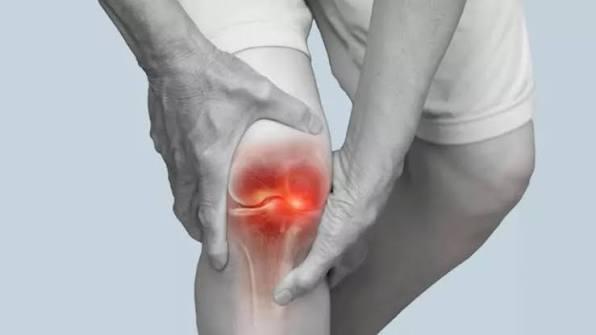
Osteoarthritis develops as gradual changes affect the cartilage and surrounding tissues of a joint. Symptoms may include pain, stiffness, swelling, and reduced mobility. The severity of symptoms varies according to the affected joint, the extent of joint changes, and any accompanying health conditions.
There is no single treatment that is suitable for everyone with knee osteoarthritis or other joint problems. Treatment plans may include activity modification, physical therapy, appropriate exercises, medication when indicated, selected injections, and interventional pain management procedures for certain patients.
It is important to distinguish between treatments that relieve symptoms and improve function and treatments that restore damaged cartilage. Not every procedure that reduces pain can rebuild cartilage or stop the progression of osteoarthritis. Treatment selection should therefore begin with identifying the source of pain, examining the joint, and reviewing the patient's medical history and imaging results.
❄️ First: Cryoanalgesia for Joint Pain Relief
The term therapeutic freezing can refer to different techniques that use low temperatures for medical purposes. In pain management, certain procedures use controlled cold to target specific nerves and reduce the transmission of pain signals. The duration of pain relief may vary from one patient to another.
A doctor may consider these procedures for selected cases of knee or joint pain when conservative treatments have not provided sufficient relief and the source of pain is suitable for the intervention.
It is important to distinguish between applying cold packs to the skin and interventional procedures that target nerves. Cryoanalgesia does not necessarily treat the underlying cause of osteoarthritis and is not suitable for every patient. Potential side effects and expected outcomes should be discussed with a qualified doctor before treatment.
🧬 Second: Regenerative Collagen and Materials Used in Joint Treatment
Collagen is an important structural component of connective tissues, including cartilage, ligaments, and tendons. The term regenerative collagen is sometimes used to describe materials or preparations intended to support tissues or improve symptoms. However, these products may differ in composition, method of administration, intended use, and supporting scientific evidence.
When considering collagen-based or gel-like materials used in joint procedures, patients should ask about the exact product, how it is administered, its intended medical purpose, and the scientific evidence supporting its use for their particular condition.
Collagen injections should not automatically be assumed to rebuild worn cartilage or permanently cure knee osteoarthritis. Evidence varies between products, and findings from one study cannot necessarily be applied to every preparation or patient.
A doctor can assess whether a particular treatment may be appropriate after reviewing the patient's symptoms, examination findings, and imaging results, while explaining potential benefits, risks, and alternatives.
💧 Third: Hyaluronic Acid Injections for Joint Pain
Hyaluronic acid is naturally present in synovial fluid, which helps lubricate joints and supports smooth movement. Certain hyaluronic acid preparations are administered as intra-articular injections, particularly in selected cases of knee osteoarthritis.
A doctor may discuss this option when symptoms persist despite other treatment measures. However, the degree of improvement varies between patients, and clinical guidelines do not recommend hyaluronic acid injections routinely for every person with knee osteoarthritis.
The injection should be administered by a qualified healthcare professional using appropriate sterile techniques. The joint should be assessed for infection or other problems before the procedure. Temporary pain or swelling may occur after an injection. Severe pain, increasing redness, or fever afterward requires prompt medical evaluation.
⭐ Can Cryoanalgesia, Collagen-Based Materials, and Hyaluronic Acid Be Combined?
A doctor may consider more than one pain management approach for selected patients. However, combining cryoanalgesia, regenerative materials, and hyaluronic acid injections is not a standardized protocol suitable for every case of osteoarthritis.
The decision depends on the source of pain, the degree of osteoarthritis, examination findings, other medical conditions, and previous treatments. Using multiple techniques does not necessarily produce better results. Each intervention should be evaluated according to the available scientific evidence, its suitability for the patient, and its potential risks.
At the Pain Management Clinic at Al Mehwar Hospital, patients can discuss available options with Prof. Dr. Mohamed Yousry and determine whether a particular technique or combination of treatments may be appropriate. The purpose of each procedure should be explained clearly, including whether it aims to reduce pain, improve movement, or address another clinical concern. Expected outcomes should remain realistic.
🩺 When Should You Seek Assessment for Non-Surgical Joint Pain Treatment?
A specialist assessment may be helpful if you experience one or more of the following symptoms:
-
Knee pain while walking or climbing stairs.
-
Joint stiffness, particularly after periods of rest.
-
Difficulty bending or fully straightening the knee.
-
Persistent pain that affects sleep or everyday activities.
-
Symptoms that do not improve with initial treatment measures.
-
Recurring pain despite previous treatment.
These symptoms do not necessarily indicate osteoarthritis. They may also result from ligament injuries, meniscal tears, inflammatory conditions, or other problems. Sudden severe joint pain accompanied by swelling, redness, warmth, or fever requires urgent medical assessment to rule out conditions that need prompt treatment.
🔍 How Is Knee Osteoarthritis Diagnosed and the Appropriate Treatment Selected?
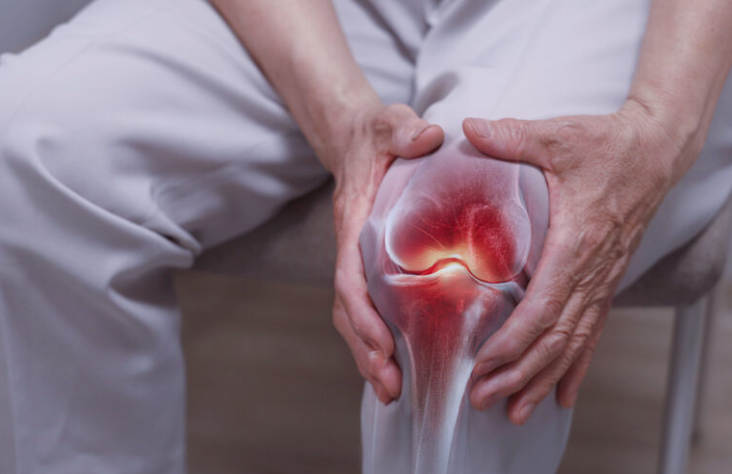
Diagnosis begins with reviewing the patient's symptoms, how long they have been present, previous medical conditions, current medications, and daily activities. The doctor then examines the joint, assesses its range of motion and stability, and identifies areas of tenderness. X-rays or other investigations may be requested when indicated.
Imaging can help identify changes associated with osteoarthritis, but scan findings alone do not determine how much pain a person experiences. Two people with similar changes on X-rays may have different symptoms and functional limitations.
After the assessment, appropriate treatment options can be discussed. These may include therapeutic exercise, muscle strengthening, weight management when needed, activity modification, medication, injections, or interventional procedures for selected cases. When osteoarthritis is advanced or severe joint damage significantly affects daily function, an orthopedic consultation may also be necessary to discuss surgical options.
👨⚕️ Why Consult Prof. Dr. Mohamed Yousry for Chronic Pain Management?
According to the clinic's supplied profile information, Prof. Dr. Mohamed Yousry is a Professor of Pain Management at Kasr Al Ainy Faculty of Medicine, Cairo University, with a professional focus on chronic pain management.
Joint pain and knee osteoarthritis require an assessment that identifies the likely source of pain and the most appropriate options for each patient. Reviewing previous medical reports, imaging studies, and treatments already tried can help provide a clearer understanding of the condition before deciding on a procedure.
The clinic lists several interventional pain management options, including radiofrequency procedures, cryoanalgesia techniques, and hyaluronic acid injections, alongside other options that may be considered according to the diagnosis and medical assessment. The availability of a particular technique does not mean it is appropriate for every patient, and no treatment can guarantee that surgery will never be necessary.
💰 What Determines the Cost of Osteoarthritis Treatment?
The cost of treating knee osteoarthritis and joint pain varies according to the nature of the condition, required investigations, the type of procedure, the materials used, and the number of sessions needed, if any. Costs may also differ depending on individual treatment requirements and the need for follow-up care or additional interventions.
For an appropriate estimate, contact the Pain Management Clinic at Al Mehwar Hospital to ask about consultation fees and the cost of any procedures recommended after medical assessment. Treatment decisions should not be based on price alone. It is important to consider whether the proposed treatment matches the diagnosis and to discuss its potential benefits, risks, and alternatives.
❓ Frequently Asked Questions About Non-Surgical Osteoarthritis Treatment
Can knee osteoarthritis be treated without surgery?
Many patients can manage symptoms and improve mobility through conservative treatments and selected procedures. Outcomes depend on the severity of osteoarthritis and the cause of pain. Advanced cases may require an orthopedic assessment to discuss surgical options.
Does cryoanalgesia permanently cure osteoarthritis?
No. Certain cryoanalgesia techniques aim to reduce pain signals from specific nerves. They do not necessarily rebuild worn cartilage or eliminate the underlying joint changes.
Are hyaluronic acid injections suitable for everyone with knee osteoarthritis?
No. Their suitability depends on the patient's condition, and medical recommendations vary regarding their use. A doctor should discuss the potential benefits and alternative treatments before making a decision.
Can regenerative collagen rebuild knee cartilage?
This cannot be confirmed for all collagen products or patients. The specific material and available scientific evidence should be reviewed. These products should not be considered a guaranteed replacement for established osteoarthritis treatments.
Where is Prof. Dr. Mohamed Yousry's Pain Management Clinic located?
The clinic is located at Al Mehwar Hospital, Second Block, Eastern Extensions, 26th of July Corridor, 6th of October City, Giza, Egypt. Patients can inquire about appointments through the hotline at 15626 or via WhatsApp.
📲 Book a Consultation for Joint Pain Assessment
If knee pain or osteoarthritis is affecting your mobility and everyday activities, the first step is to identify the cause of the pain and discuss a treatment plan suited to your condition. Contact the Pain Management Clinic at Al Mehwar Hospital to ask about consultations and available treatment options with Prof. Dr. Mohamed Yousry.
-
Hotline: 15626
-
Online Booking: +20 100 168 9392 via WhatsApp
-
WhatsApp Inquiries: +20 105 004 9729
-
Address: Al Mehwar Hospital, 6th of October City, Giza, Egypt.
This content is intended for general educational purposes and does not replace professional medical advice or an examination. Diagnosis and treatment decisions should be made by a qualified healthcare professional after assessing each individual case.
```