
Non-Surgical Treatment for Osteoarthritis and Joint Pain | Dr. Mohamed Yousry – El Mehwar Hospital
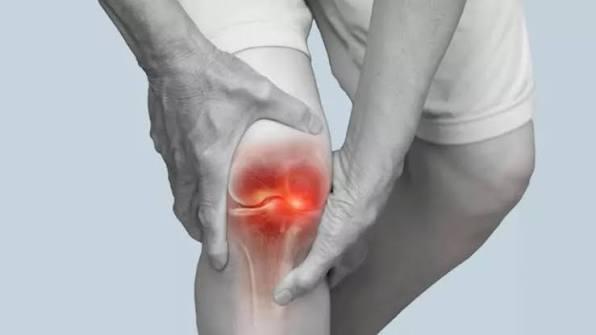
Osteoarthritis and joint pain can affect mobility and make everyday activities such as walking, climbing stairs, or standing for extended periods more difficult. Treatment depends on the joint involved, the severity of symptoms, the patient's general health, and how much the condition affects daily life. In selected cases, non-surgical approaches may help relieve symptoms and improve function.
At the Pain Management Clinic at El Mehwar Hospital, Professor Mohamed Yousry, Professor of Chronic Pain Management at Kasr Al-Ainy, Cairo University, discusses a treatment protocol that combines therapeutic freezing, regenerative collagen, and multi-supported hyaluronic acid. The suitability of each technique must be determined through an individual medical assessment, and expected benefits should be discussed without assuming that the protocol is appropriate for every patient.
📞 Phone: 15626
💬 WhatsApp: +201050049729
🌍 Online consultations: Available from anywhere inside or outside Egypt
📱 Online booking: 01001689392
📍 Address: Pain Management Clinic – El Mehwar Hospital, Second Block, Eastern Extensions, 26th of July Corridor, 6th of October City, Giza.
What Is Osteoarthritis?
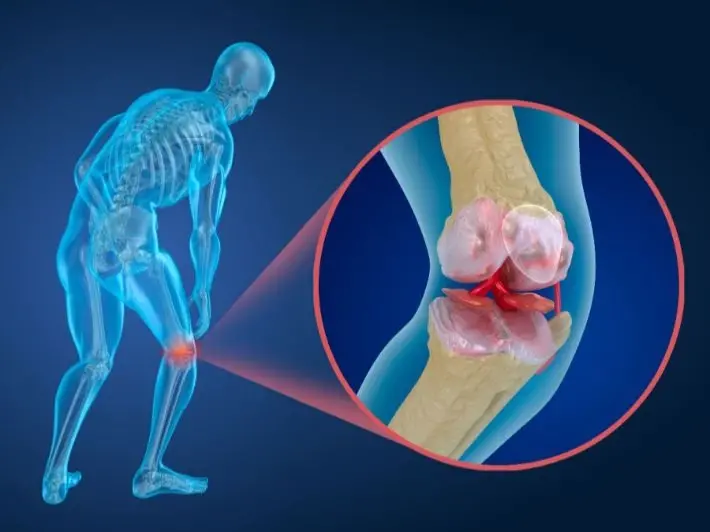
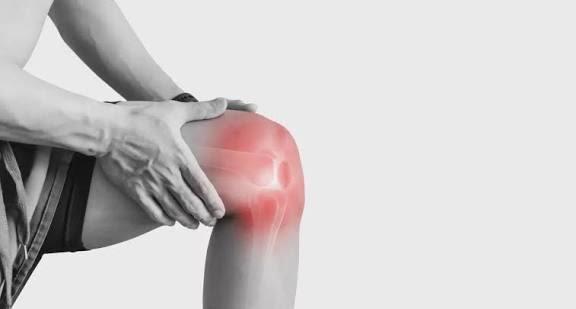
Osteoarthritis is a joint condition involving changes in the cartilage, bone, and surrounding tissues. It commonly affects the knees, hips, and hands, although other joints can also be involved.
Symptoms vary from person to person and may include pain during movement, stiffness after periods of rest, occasional swelling, and difficulty with daily activities. Symptoms may become more noticeable with activity, while some people experience temporary relief with rest.
Not all joint pain is caused by osteoarthritis. Inflammation, injuries, and other medical conditions can produce similar symptoms. An appropriate assessment is therefore important before choosing a treatment.
Can Osteoarthritis Be Managed Without Surgery?
Many cases of osteoarthritis can be managed initially with non-surgical approaches. The plan depends on symptom severity, joint function, examination findings, and the patient's overall health.
Options may include modifying activities that worsen pain, suitable exercise and physical therapy, weight management when appropriate, and medications or medical procedures selected by the treating clinician.
For some patients, a clinician may discuss targeted pain-relief procedures or injections, depending on the diagnosis, available evidence, and individual suitability.
It is important to distinguish pain relief and improved function from cartilage restoration or a permanent cure. A procedure that reduces pain does not necessarily reverse the structural changes associated with osteoarthritis, and treatment responses vary.
Three Techniques in One Treatment Protocol
The protocol discussed in this article combines therapeutic freezing, regenerative collagen, and multi-supported hyaluronic acid. The intended role and sequence of each component should be clarified during medical assessment.
1. Therapeutic Freezing for Pain Management
The term therapeutic freezing can refer to different medical techniques involving the use of cold. The expected effect depends on the specific procedure, the targeted area, and how it is performed.
In pain management, the exact technique should be identified before describing its mechanism or expected outcome. Local cooling is not the same as procedures that use cold to target specific nerves. Patients should discuss the proposed procedure, its potential benefits, limitations, and risks with their clinician.
Some targeted pain-relief procedures aim to reduce discomfort and improve daily function. However, pain relief does not necessarily mean that the underlying osteoarthritis has been reversed or that damaged cartilage has been restored.
2. Regenerative Collagen
Collagen is a protein found in several body tissues, including connective tissue. However, the term regenerative collagen may refer to different products or interventions, and its exact meaning cannot be established from the name alone.
Patients should ask which product is being used, how it is administered, what it is intended to do, and what scientific evidence supports its use for their particular condition. It should not be assumed that every collagen-based product rebuilds cartilage or permanently treats osteoarthritis.
Whether this component is appropriate depends on the clinical assessment, the product's characteristics, the available evidence, and the alternatives that may be suitable.
3. Multi-Supported Hyaluronic Acid
Hyaluronic acid occurs naturally in the body and is a component of synovial fluid, which helps lubricate joints. Certain hyaluronic acid preparations are used as injections into selected joints, particularly the knee.
However, responses vary, and scientific evidence regarding the extent of benefit differs across studies and clinical guidelines. These injections should not be presented as guaranteed treatment or as a proven way to rebuild cartilage.
The phrase multi-supported hyaluronic acid needs to be clarified according to the specific formulation being used. Patients should ask about the product's name, ingredients, intended use, and suitability before proceeding.
How Is the Right Treatment Protocol Selected?
Choosing treatment involves more than selecting a technique by name. The assessment may consider:
-
The location, nature, and duration of the pain.
-
The effect of symptoms on walking, movement, sleep, and daily activities.
-
Swelling, stiffness, or signs of inflammation.
-
Clinical examination and imaging when indicated.
-
Previous treatments and the response to them.
-
Other medical conditions and current medications.
After the assessment, the clinician can discuss available options and determine whether combining several techniques is appropriate or whether another approach may be more suitable.
What Benefits May Non-Surgical Treatment Offer?
The goals of non-surgical treatment may include reducing pain, improving mobility, making daily activities easier, and reducing reliance on certain pain medicines in selected cases.
These outcomes cannot be guaranteed for every patient. The duration of any improvement depends on the cause and severity of the pain and the procedure used. Some patients may benefit from a broader plan that includes appropriate activity, physical therapy, and follow-up rather than relying on one procedure alone.
The potential risks of each technique should also be discussed. Depending on the procedure, these may include temporary pain, swelling, infection, or other complications.
When Should Joint Pain Be Medically Assessed?
Medical evaluation is advisable when pain persists, repeatedly returns, or interferes with mobility, particularly if usual measures have not helped.
Sudden severe joint pain accompanied by marked swelling, warmth, or redness—especially with fever—requires urgent medical assessment because it may indicate a condition other than osteoarthritis.
Assessment should also not be delayed after a recent injury or when the patient cannot bear weight on the affected joint.
Pain Management Clinic – El Mehwar Hospital | Professor Mohamed Yousry
Patients who wish to discuss joint pain and non-surgical treatment options can contact Professor Mohamed Yousry, Professor of Chronic Pain Management at Kasr Al-Ainy, Cairo University, to arrange a consultation and determine which options may be appropriate for their condition.
📍 Address: Pain Management Clinic – El Mehwar Hospital, Second Block, Eastern Extensions, 26th of July Corridor, 6th of October City, Giza.
📞 Phone: 15626
💬 WhatsApp: +201050049729
🌍 Online consultations: Available from anywhere inside or outside Egypt
📱 Online booking: 01001689392
Common Questions About Non-Surgical Joint Pain Treatment
Can osteoarthritis be treated without surgery?
Many cases can be managed with non-surgical approaches. The appropriate plan depends on the severity of symptoms, joint condition, and medical assessment.
Does therapeutic freezing permanently treat osteoarthritis?
Its effect depends on the exact technique used. It should not automatically be considered a method for rebuilding cartilage or permanently reversing osteoarthritis.
Is hyaluronic acid suitable for every patient?
No. Suitability depends on the joint, the individual condition, and medical assessment, and responses vary between patients.
Is the three-technique protocol suitable for everyone?
Not necessarily. The clinician must assess the patient's condition and discuss potential benefits, risks, and alternatives.
How can I book a consultation with Professor Mohamed Yousry?
Call 15626, contact WhatsApp at +201050049729, or book online at 01001689392.
Managing osteoarthritis and joint pain requires a plan that reflects the cause of the pain, the condition of the joint, and the patient's needs. Non-surgical approaches may help relieve symptoms and improve mobility, but the effectiveness and risks of each intervention vary.
The protocol discussed here combines therapeutic freezing, regenerative collagen, and multi-supported hyaluronic acid. The exact nature of each technique and its suitability should be clarified before treatment. A medical consultation remains essential for discussing realistic expectations and selecting an appropriate plan.