
Non-Surgical Treatment for Joint Pain and Osteoarthritis | Professor Mohamed Yousry
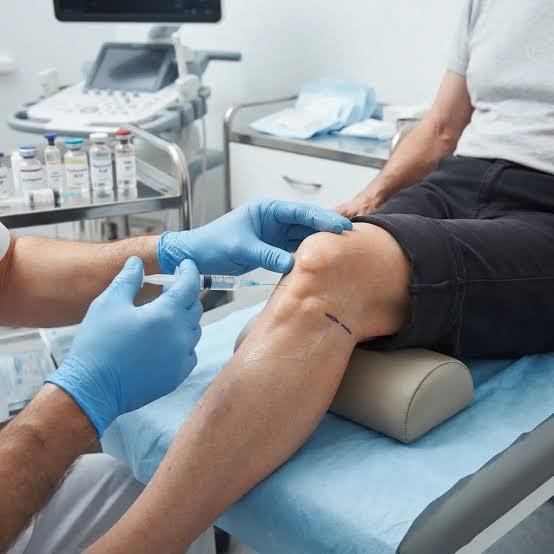
Osteoarthritis and chronic joint pain can affect mobility and make everyday activities such as walking, climbing stairs, or standing for long periods more difficult. Advances in pain management have introduced several non-surgical options that may help selected patients reduce pain and improve function, depending on the joint involved and the severity of the condition. Professor Mohamed Yousry, Professor of Chronic Pain Management at Kasr Al-Ainy, Cairo University, highlights the importance of medical assessment before choosing a treatment plan and discusses an approach involving three techniques: therapeutic freezing, regenerative collagen, and multi-support hyaluronic acid.
Contact and Appointments
Professor Mohamed Yousry – Professor of Chronic Pain Management, Kasr Al-Ainy, Cairo University
-
📞 Within Egypt: 15626
-
💬 From outside Egypt: +20248810900
-
🌍 Online consultations: Available from anywhere
-
📍 Address: Al Mehwar Hospital, 6th of October City, Giza
What Is Osteoarthritis, and Why Does It Cause Pain?
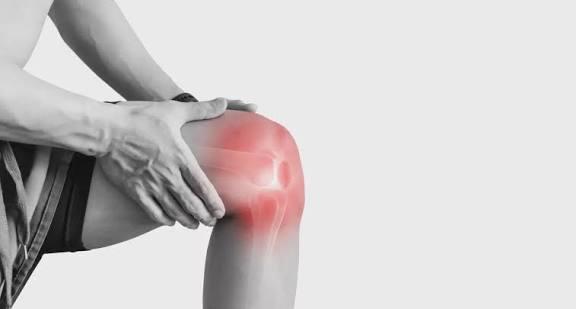
Osteoarthritis is a condition in which the tissues that help a joint move smoothly become affected. Changes may occur gradually in the articular cartilage and surrounding tissues. Osteoarthritis commonly affects the knees, hips, and hands and may cause pain during movement, stiffness after rest, and difficulty performing daily activities.
Symptoms vary from person to person. Some people experience occasional discomfort, while others have persistent pain or significant limitations in movement. The severity of the condition cannot be determined by pain alone. A medical assessment may include a clinical examination and, when appropriate, imaging or other investigations.
Can Osteoarthritis Be Treated Without Surgery?
Some cases of osteoarthritis and joint pain can be managed using non-surgical approaches. The most appropriate option depends on the affected joint, the degree of osteoarthritis, symptom severity, and the patient's overall health.
Management may include modifying activities that worsen pain, suitable exercise, physical therapy, weight management when appropriate, medication, or selected interventional procedures.
It is important to understand that non-surgical treatment does not necessarily remove osteoarthritis or restore cartilage to its original condition. The main goal may be to reduce pain, improve mobility, and maintain daily function. Ongoing assessment helps determine whether the treatment is working or whether other options should be considered.
Three Techniques for Managing Joint Pain
A protocol involving therapeutic freezing, regenerative collagen, and hyaluronic acid may combine different approaches to managing joint symptoms. However, these techniques are not suitable for every patient, and their potential benefits should be assessed individually.
Therapeutic Freezing for Pain Relief
The term therapeutic freezing can refer to different treatments that use cold. In some interventional pain procedures, controlled cooling is used to target nerves that transmit pain signals.
When a nerve-targeting procedure is appropriate, the aim is to reduce pain-signal transmission from the treated area. The duration and degree of relief vary between patients. Such a procedure does not, by itself, correct the underlying joint degeneration or rebuild cartilage.
The exact procedure should be identified before treatment, since local cold application and interventional nerve-targeting techniques are not the same. Their indications, precautions, and risks can differ.
Regenerative Collagen and Its Potential Role
Collagen is an important protein found in connective tissues, including components of cartilage and tissues surrounding joints. Injectable collagen preparations have been studied as possible options to help manage osteoarthritis symptoms and improve joint function in selected patients.
However, reducing symptoms is not the same as proving that an injection can reliably rebuild damaged cartilage. Evidence varies across products and treatment methods, and the available findings do not guarantee the same outcome for every patient.
Before treatment, patients should discuss the specific product, how it is administered, the intended benefit, and whether it is suitable for their condition.
Multi-Support Hyaluronic Acid
Hyaluronic acid is associated with the properties of the fluid inside joints. Some preparations are administered by injection into a joint in selected patients.
The aim is to help manage joint symptoms. Some patients may experience improvements in pain or movement, while others may experience limited benefit. Outcomes can vary according to the joint involved, the severity of osteoarthritis, and the specific product used.
The description multi-support hyaluronic acid needs to be linked to the exact product and formulation. Not all hyaluronic acid preparations are identical, and their effects should not be assumed to be the same. Clinical guidelines also do not recommend hyaluronic acid injections for routine use in every case of knee osteoarthritis because evidence of benefit remains inconsistent.
How Can the Three Techniques Be Combined in One Treatment Protocol?
Combining different techniques requires an assessment of the patient's needs and whether each procedure is likely to offer a meaningful benefit.
One procedure may aim to reduce pain signals, while another may be considered to help manage joint symptoms. However, combining treatments does not necessarily mean that their effects will multiply, and a single protocol cannot be assumed to suit every patient.
Before starting treatment, a clinician should assess the degree of osteoarthritis, the location of pain, other medical conditions, previous treatments, and the effect of symptoms on mobility. Expected benefits, possible adverse effects, and alternative approaches should also be discussed.
Who May Need an Assessment for These Options?
Non-surgical options may be discussed with people experiencing persistent or recurring joint pain, especially when symptoms affect daily activities or initial management has not provided sufficient relief.
However, the presence of osteoarthritis does not automatically mean that injections or therapeutic freezing are necessary. Some patients may benefit from exercise, physical therapy, and lifestyle changes, while others may require medication or a different treatment approach.
In advanced osteoarthritis or when a joint is severely damaged, non-surgical procedures may not provide sufficient improvement. Surgical options may then need to be discussed. This decision requires a comprehensive medical assessment rather than relying on imaging findings or pain severity alone.
What Should Patients Know Before Treatment?
Before choosing a procedure for joint pain, it is important to discuss several points with the clinician:
-
The diagnosis and degree of joint involvement.
-
The intended goal, such as pain relief or improved mobility.
-
The type of injectable product, if one is being considered.
-
Expected benefits and the limitations of available evidence.
-
Potential side effects and contraindications.
-
Whether physical therapy or other supportive measures are needed.
-
The follow-up plan and how treatment response will be assessed.
This discussion helps patients make informed decisions and avoid unrealistic expectations about cartilage restoration or the complete elimination of osteoarthritis.
Joint Pain Care with Professor Mohamed Yousry
Professor Mohamed Yousry, Professor of Chronic Pain Management at Kasr Al-Ainy, Cairo University, offers the opportunity to enquire about options for managing chronic pain and joint symptoms and to assess whether non-surgical techniques may be appropriate following medical evaluation.
Patients can contact the clinic to ask about appointments. Online consultations are also available from anywhere.
-
📞 Within Egypt: 15626
-
💬 From outside Egypt: +20248810900
-
📍 Al Mehwar Hospital, 6th of October City, Giza
Several non-surgical options may be considered for osteoarthritis and joint pain, including certain therapeutic freezing procedures, collagen injections, and hyaluronic acid injections. Each has its own purpose, indications, and limitations, and individual responses can vary.
A medical assessment, a clear treatment goal, and a discussion of benefits and risks are essential before combining techniques in a single protocol. The aim is to develop an appropriate plan that may reduce pain and improve mobility, while recognizing that these procedures do not guarantee the removal of osteoarthritis or eliminate the need for surgery in every case.