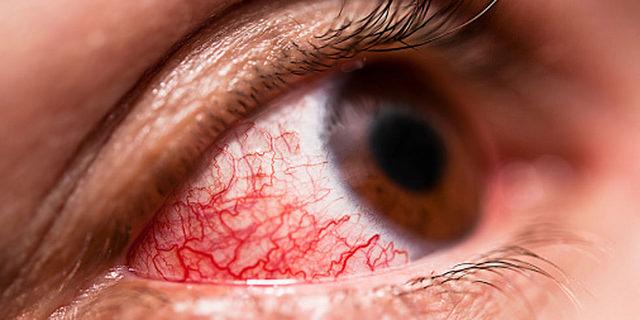

Red eyes are a symptom, not a disease, caused by dilation of surface blood vessels due to irritation or inflammation. Key causes include:
-
Dry Eyes
Reduced tear production or rapid evaporation causes burning, gritty sensation, and temporary blurry vision. Prevention: artificial tears, screen breaks, and humidified environments. -
Seasonal Allergies
Pollen, dust, or pet dander cause itching, tearing, and swollen eyelids. Treatment: avoid triggers and use antihistamine drops if needed. -
Conjunctivitis
Inflamed conjunctiva turns the eye red. Causes: viral, bacterial, or allergic. Treatment ranges from supportive care to antibiotics or anti-allergy medications. -
Blepharitis
Blocked oil glands at the eyelash base cause redness and crusting. Treatment: daily eyelid cleaning, warm compresses, and skin care management. -
Subconjunctival Hemorrhage
Bright red patch without pain from a broken tiny blood vessel, usually resolving within two weeks. -
Acute Glaucoma
Sudden high eye pressure with severe pain, nausea, headache, and halos around lights. Emergency treatment is critical to prevent permanent optic nerve damage. -
Contact Lenses
Overuse, sleeping in lenses, or improper cleaning may lead to irritation or infection. Solution: adhere to recommended wear time, disinfect lenses, and rest eyes. -
Eye Strain and Sleep Deprivation
Long hours or prolonged screen use dilate tiny blood vessels, increasing redness. The 20-20-20 rule helps give the eyes periodic rest. -
Environmental Irritants
Smoke, pool chlorine, pollution, and dry air can trigger redness. Rinse eyes with saline or use artificial tears. -
When Redness is Concerning
Severe pain, vision changes, light sensitivity, heavy discharge, or persistent redness for over a week requires urgent medical evaluation.
Preventive Measures
Avoid rubbing eyes, stay hydrated, take screen breaks, wash hands before touching eyes, and wear protective glasses in dusty environments.
For more details and latest updates, follow Misr Connect