Tuna Rich in Omega-3: How It Helps Prevent Cancer
Studies show that consuming fatty tuna may reduce the risk of colon, rectal, and breast cancer thanks to its high Omega-3 and selenium content.

Fatty tuna is an important part of a healthy diet that can help lower the risk of certain cancers, including colon, rectal, and breast cancer.
The protective benefits of tuna are mainly attributed to its high content of Omega-3 fatty acids, such as Eicosapentaenoic Acid (EPA) and Docosahexaenoic Acid (DHA), which help fight inflammation and slow cancer cell growth. Tuna also contains selenium, a powerful antioxidant that reduces oxidative stress and supports immune system function.
Tuna is also an excellent source of protein. Health organizations, including the American Cancer Society, recommend choosing fish and poultry over red or processed meats to reduce cancer risks.
The UK’s National Health Service (NHS) advises consuming at least two servings of fish per week, including at least one serving of fatty fish, to benefit from essential nutrients such as protein, vitamins, and minerals.

Regular health screening is one of the most important steps to maintain good health and detect diseases early. The essential medical checkups for every age help in preventing complications and ensuring a healthier life.
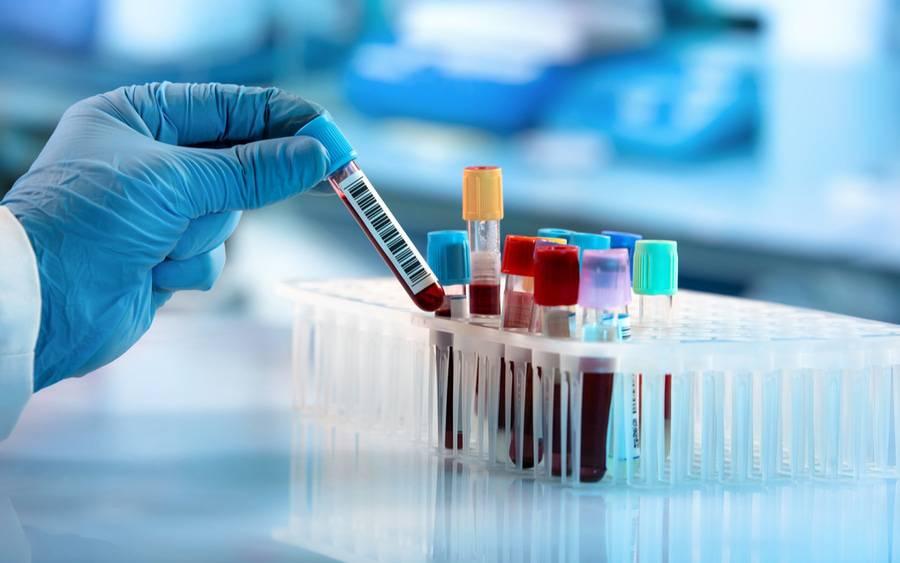
Many people, after doing medical tests, receive their results and immediately start looking at numbers and unfamiliar terms like (High – Low – Normal) without fully understanding what they actually mean.

When dealing with medical services, many people come across different titles for doctors such as “Specialist” and “Consultant”, which can sometimes create confusion about what each title actually means and how they differ from each other.

Choosing the right time to visit a doctor is not a random decision. It can directly affect how quickly a condition is diagnosed and how effective the treatment will be. Many people delay visiting a doctor or go at the wrong time, which may lead to worsening symptoms or delayed care.
