


Obesity and Underweight Tests in Madinaty | Inspect Lab
Introduction
Weight gain and low body weight may be related to eating habits and lifestyle, but they can also be associated with changes in blood glucose, hormones, metabolism, or nutritional deficiencies. Inspect Lab – a comprehensive medical and chemical laboratory with 24-hour service provides a point of contact for inquiries about laboratory tests that may help assess health conditions related to weight. The required tests vary from person to person, so they should be selected according to medical history, symptoms, and the doctor's recommendations rather than using the same panel for everyone.
Inspect Lab Contact Information
📍 Address: Madinaty – All Season Park Mall, Second Floor, Unit S47, Cairo, Egypt.
📱 Phone and WhatsApp: 01004643610
⏰ Service: 24 hours.
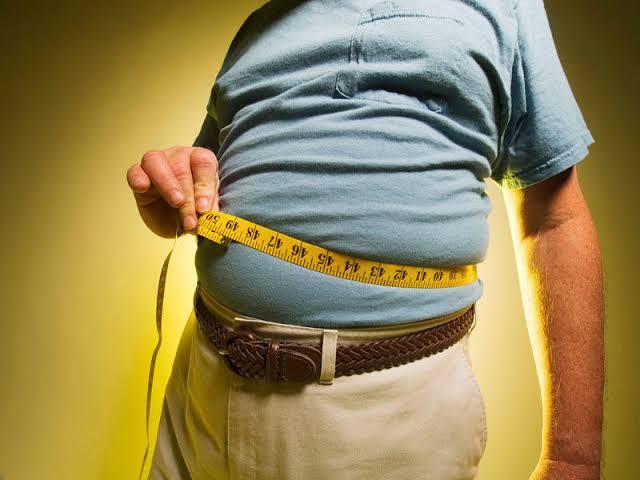
Why Are Obesity and Underweight Tests Important?
Laboratory tests can help assess certain body functions that may be affected by weight changes. They may also identify health conditions that contribute to weight gain or weight loss.
For example, obesity may be associated with elevated blood glucose, abnormal lipid levels, or certain liver problems. Underweight or unintentional weight loss may be associated with anemia, nutritional deficiencies, thyroid disorders, or problems involving digestion and nutrient absorption.
However, no single blood test can diagnose obesity or underweight on its own. Assessment generally includes measuring weight and height, calculating body mass index (BMI), and sometimes measuring waist circumference and reviewing medical history, diet, and physical activity.
What Tests May Be Needed for People with Obesity?
When assessing excess weight, a doctor may request laboratory tests to identify related health problems or medical factors that need to be considered as part of a weight-management plan.
Fasting Blood Glucose and HbA1c
A fasting blood glucose test measures blood sugar after the required fasting period, while the HbA1c test estimates average blood glucose over the preceding months.
These tests may be requested to screen for diabetes or prediabetes, particularly in people with excess weight or other risk factors.
Blood Lipid Profile
A lipid profile measures several blood fats, including:
-
Total cholesterol.
-
High-density lipoprotein (HDL) cholesterol.
-
Low-density lipoprotein (LDL) cholesterol.
-
Triglycerides.
These tests are important when assessing cardiovascular risk associated with excess weight. Their results may help the doctor determine whether lipid monitoring or treatment is needed.
Liver Function Tests
The doctor may request liver enzymes such as ALT and AST to assess liver health and identify findings that may be associated with fat accumulation in the liver or other liver conditions.
These enzyme levels alone cannot confirm fatty liver disease or determine its severity. Further assessment may be required depending on the patient's condition.
Kidney Function Tests
Tests such as creatinine and estimated glomerular filtration rate (eGFR) help assess kidney function. They may be relevant as part of the general health evaluation of people with obesity or related medical conditions.
Thyroid Function Tests
The doctor may request thyroid-stimulating hormone (TSH) and, when appropriate, other thyroid hormone tests if symptoms or examination findings suggest a possible thyroid disorder.
Weight gain alone does not necessarily indicate hypothyroidism. Therefore, not everyone with excess weight needs a complete set of thyroid tests.
What Tests May Be Needed for People Who Are Underweight?
Low body weight may be related to body composition, genetics, or insufficient food intake. However, it may also occur because of a health condition that affects appetite, nutrient absorption, or metabolism.
When a person has unexplained low weight or unintentional weight loss, the doctor may recommend tests based on symptoms and medical history.
Complete Blood Count (CBC)
A complete blood count evaluates the main components of the blood, including hemoglobin, white blood cells, and platelets.
It may help identify signs of anemia or other changes that require further investigation.
Thyroid Function Tests
An overactive thyroid can increase metabolic activity and may lead to weight loss despite normal or increased food intake. Other symptoms may include palpitations, sweating, tremors, and heat intolerance.
The doctor may request TSH and thyroid hormone tests when an abnormal thyroid function is suspected.
Iron and Ferritin Tests
Iron studies and ferritin testing may help assess iron deficiency, particularly when low body weight is accompanied by fatigue, weakness, or signs of anemia.
The need for these tests depends on the symptoms and complete blood count results.
Blood Glucose Tests
Fasting blood glucose or HbA1c may be requested when unexplained weight loss occurs, particularly when accompanied by excessive thirst, frequent urination, or increased appetite.
These tests help assess the possibility of a glucose regulation problem, including diabetes.
Vitamin and Nutritional Tests
Some people may need tests for specific nutrients, such as vitamin B12 and vitamin D, when symptoms or risk factors suggest a possible deficiency.
The doctor may also request tests such as albumin or certain minerals depending on the patient's condition, particularly when malnutrition or impaired nutrient absorption is suspected.
Are There Tests That Help Identify the Causes of Weight Gain or Weight Loss?
Yes. Specialized tests may help investigate certain medical causes of weight changes, but they are not required for everyone.
For example, hormonal testing related to polycystic ovary syndrome (PCOS) may be considered when a woman has menstrual irregularities, increased hair growth, or other relevant symptoms. Cortisol testing may be appropriate when clinical findings suggest abnormal cortisol production.
For underweight or unexplained weight loss, the doctor may request investigations related to digestion and nutrient absorption. These may include celiac disease antibody tests when symptoms suggest this condition.
Specialized hormone tests should not be requested randomly. Their selection depends on symptoms, physical examination, and the possible diagnoses being considered.
Are Obesity Tests Different from Underweight Tests?
Yes. The purpose of laboratory testing depends on the condition being evaluated.
For obesity, the assessment often focuses on blood glucose, lipid levels, liver and kidney function, and possible medical causes of weight gain when relevant symptoms are present.
For underweight, the assessment may focus on a complete blood count, iron stores, selected vitamins, thyroid function, and possible conditions affecting appetite or nutrient absorption.
Some tests may be relevant to both conditions, including blood glucose and thyroid testing. However, their interpretation depends on symptoms, weight history, and overall health.
When Should You Consider Obesity and Underweight Tests?
Discussing laboratory testing with a doctor may be appropriate in the following situations:
-
Persistent weight gain without a clear explanation.
-
Unintentional weight loss without dieting or increased physical activity.
-
Difficulty gaining weight despite adequate food intake.
-
Recurrent fatigue or weakness.
-
Persistent changes in appetite or digestion.
-
Symptoms such as excessive thirst, frequent urination, or palpitations.
-
A family history of diabetes or thyroid disorders.
Unintentional weight loss, particularly when it is rapid or accompanied by other symptoms, requires medical assessment rather than relying on general laboratory testing without investigating the cause.
Do You Need to Fast Before Obesity and Underweight Tests?
Not all obesity and underweight tests require fasting. Preparation depends on the specific test requested.
For example, fasting blood glucose and some lipid tests may require fasting according to the doctor's and laboratory's instructions, while many other tests can be performed without fasting.
It is best to confirm the preparation requirements for each test before visiting the laboratory. Do not fast longer than instructed.
Obesity and Underweight Tests at Inspect Lab in Madinaty
If you want to check your health or need laboratory investigations related to weight gain or underweight, you can contact Inspect Lab to inquire about available tests and their preparation instructions.
Selecting the required tests according to the doctor's recommendations helps avoid unnecessary investigations and provides results that can be used to assess health and monitor the appropriate care plan.
📍 Address: Madinaty – All Season Park Mall, Second Floor, Unit S47, Cairo, Egypt.
📱 Phone and WhatsApp: 01004643610
⏰ 24-hour service.
Conclusion
Obesity and underweight tests can help assess health problems associated with changes in body weight, including elevated blood glucose, abnormal lipid levels, thyroid disorders, and iron or vitamin deficiencies.
However, there is no single group of tests that is suitable for everyone. The required investigations depend on symptoms, medical history, and physical assessment. It is therefore best to discuss the appropriate tests with a healthcare professional, complete the recommended investigations, and review the results to determine the next steps.
