Obsessive-Compulsive Disorder (OCD): Symptoms, Causes, and Treatment Options
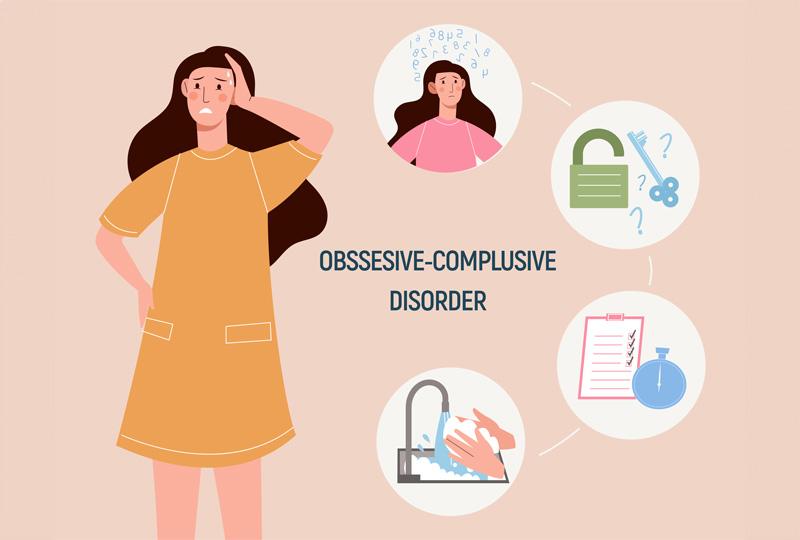
Obsessive-Compulsive Disorder (OCD) is a common mental health condition that affects thinking and behavior through repeated, unwanted thoughts and actions. A person with OCD experiences intrusive thoughts (obsessions) that lead to repetitive behaviors (compulsions) in an attempt to reduce the anxiety caused by these thoughts.

Obsessive-Compulsive Disorder (OCD): Symptoms, Causes, and Treatment Options
Introduction
Obsessive-Compulsive Disorder (OCD) is a common mental health condition that affects thinking and behavior through repeated, unwanted thoughts and actions. A person with OCD experiences intrusive thoughts (obsessions) that lead to repetitive behaviors (compulsions) in an attempt to reduce the anxiety caused by these thoughts.
This disorder can significantly affect daily life, but it is treatable when properly managed.
What is Obsessive-Compulsive Disorder?
OCD is a psychological condition characterized by recurring, distressing thoughts that intrude on a person’s mind. The individual feels compelled to perform certain behaviors to relieve the anxiety caused by these thoughts, even though they recognize these behaviors as irrational.
Types of OCD
OCD can appear in different forms, including:
Contamination and cleaning obsessions
Checking and reassurance compulsions
Harmful or intrusive aggressive thoughts
Excessive order and symmetry obsessions
Religious or moral scrupulosity
Symptoms of OCD
Common symptoms include:
Repetitive and unwanted thoughts
Persistent anxiety and tension
Repetitive behaviors to reduce anxiety
Difficulty controlling thoughts or actions
Spending excessive time on rituals
Causes of OCD
There is no single clear cause, but several factors may contribute to its development:
Genetic factors
Chemical imbalance in the brain
Severe psychological stress
Traumatic life experiences
Cognitive or thinking pattern disorders
Impact of OCD on Daily Life
OCD may lead to:
Delays in completing daily tasks
Difficulty in work or study
Social relationship problems
Mental and physical exhaustion
Reduced overall quality of life
Treatment Options for OCD
OCD can be treated through several effective methods:
Psychotherapy
Cognitive Behavioral Therapy (CBT) is one of the most effective treatments, helping patients understand their thoughts and change their responses.
Medication
In some cases, doctors may prescribe medications that help reduce symptoms and regulate brain chemistry.
Combined Treatment
A combination of psychotherapy and medication is often the most effective approach for moderate to severe cases.
Tips for Managing OCD
Avoid immediately responding to obsessive thoughts
Do not over-resist thoughts in an extreme way
Follow a treatment plan with a specialist
Reduce stress and psychological pressure
Practice relaxation techniques
When to Seek Medical Help
You should consult a mental health professional if:
Symptoms persist for a long time
They begin to affect work or studies
They consume a large part of your day
They cause severe emotional distress
Conclusion
Obsessive-Compulsive Disorder is not a weakness of personality but a psychological condition that requires understanding and proper treatment. With early intervention and the right support, symptoms can be significantly controlled and quality of life improved.

Dr. Menna Morsi uses the latest cosmetic dentistry techniques to preserve the health of your teeth while delivering outstanding aesthetic results through a personalized treatment plan tailored to your individual needs.

Over time, neglecting oral hygiene while wearing braces can lead to plaque buildup, gum inflammation, bad breath, and even affect the overall success of your orthodontic treatment by potentially extending the treatment period.

Looking for vision improvement treatment in El Khusus? Dr. Mahmoud El-Azizi offers the latest technologies for diagnosing and treating vision problems, including laser vision correction, cataract and glaucoma treatment, with comprehensive eye care using state-of-the-art medical equipment.
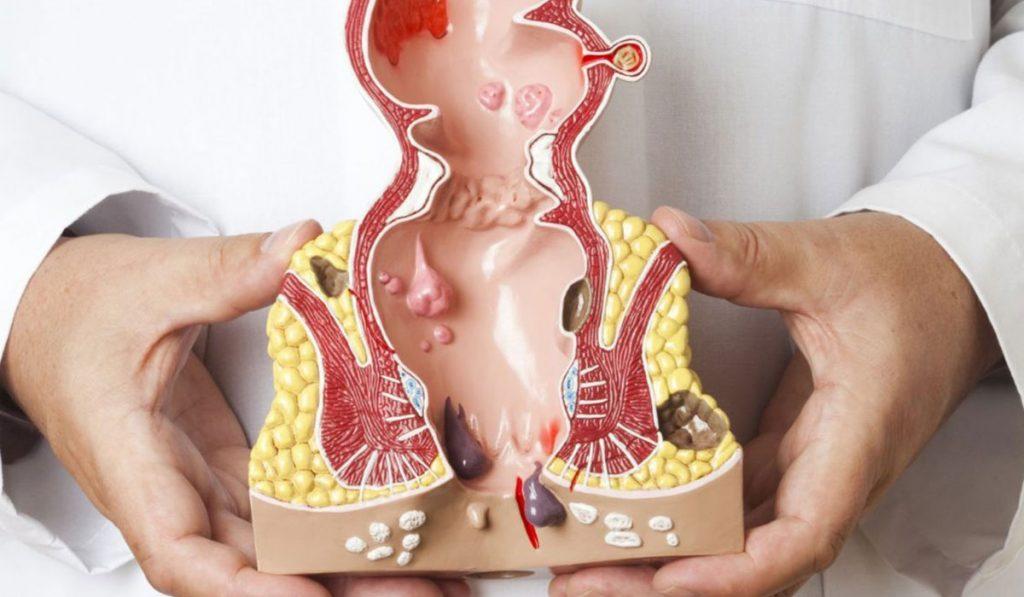
With the advancement of colorectal surgery, most cases of anal fistula and pilonidal sinus can now be treated using modern surgical and technological techniques that precisely remove the diseased tissue, minimize pain, accelerate wound healing, and reduce the risk of recurrence.
