

One-Session Laser Teeth Whitening in Sidi Bishr, Alexandria | Al-Qadi Dental Center
Tooth discoloration can affect the appearance of a smile and a person's confidence. It may result from several factors, including coffee and tea consumption, smoking, aging, or surface staining. One-session laser teeth whitening is an option some people consider to improve tooth color during a single dental visit, depending on the type of staining and the condition of their teeth and gums. Choosing the appropriate whitening method begins with a dental examination to identify the cause of discoloration, assess suitability, and reduce the risk of avoidable complications.
Al-Qadi Dental Center Contact Information
For dental inquiries and appointments, you can contact Al-Qadi Dental Center using the details below.
Address:
31 Mohamed Naguib Street, first floor, Apartment 1, Sidi Bishr, Alexandria, Egypt.
Phone:
01069486609
What Is One-Session Laser Teeth Whitening?
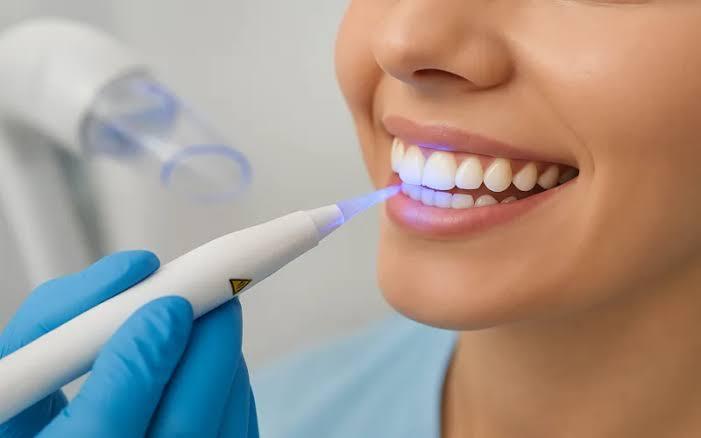
Teeth whitening is a cosmetic dental procedure designed to lighten the color of natural teeth using specialized whitening agents. Some systems use a light source or laser alongside the whitening agent, depending on the technology used by the dental clinic.
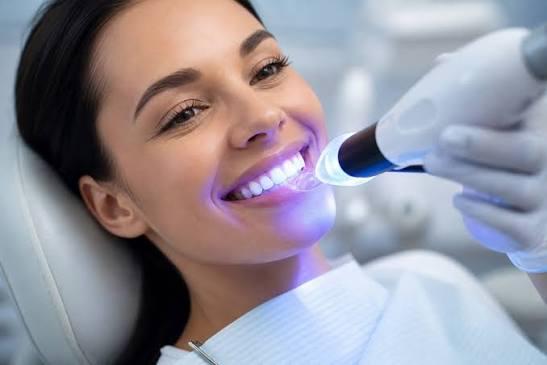
During the appointment, the dentist first examines the teeth and gums to determine whether whitening is appropriate. After preparing the teeth and protecting the gums and surrounding tissues, the whitening agent is applied according to the system's instructions. A light or laser may be used when required by the particular technique.
Some patients notice a change in tooth color after one session, but the degree of whitening varies. A procedure advertised as a one-session treatment does not guarantee the same shade for every patient or the same duration of results.
It is also important to understand that some whitening systems rely on chemical agents without requiring a laser. Using light does not, by itself, guarantee a better result; effectiveness depends on the whitening agent, the type of discoloration, and the condition of the teeth.
What Causes Tooth Discoloration?
Several factors can change the color of teeth. Identifying the cause helps the dentist choose an appropriate approach.
-
Colored drinks: Coffee and tea may contribute to surface stains when consumed frequently.
-
Smoking: Tobacco can cause stains that affect the natural appearance of teeth.
-
Aging: Teeth may become more yellow over time as their internal structure changes.
-
Inadequate oral hygiene: Plaque and surface stains may accumulate when cleaning is insufficient.
-
Certain medications or developmental conditions: These can affect the internal color of teeth and may respond differently to whitening than surface stains.
Not every color change requires cosmetic whitening. Tooth decay, problems involving the dental pulp, or older restorations may also affect appearance. A dental examination is therefore recommended before choosing a whitening treatment.
How Is Laser Teeth Whitening Performed?
The appointment begins with an assessment of the teeth and gums to identify any problems that may need treatment first, such as untreated decay or gum inflammation. The dentist may recommend professional cleaning if deposits or surface stains need to be removed.
The gums and surrounding tissues are then protected, and the whitening agent is applied according to the instructions for the system being used. If the technique involves a laser or light source, it is used as directed by the manufacturer and under the dentist's supervision.
The duration of the appointment and the number of whitening applications depend on the product and treatment plan. After the procedure, the dentist checks the teeth and gums and explains aftercare instructions and any need for follow-up.
Strong whitening products or devices not intended for home use should not be used without professional guidance, as incorrect use may irritate the gums or increase tooth sensitivity.
Who May Be Suitable for One-Session Teeth Whitening?
Whitening may be suitable for some people with external stains or discoloration of natural teeth, provided their teeth and gums are healthy enough for the procedure.
The dentist assesses suitability by examining the mouth, identifying the likely cause of discoloration, and reviewing relevant medical history. Some patients may need dental or gum treatment first, while alternative options may be more appropriate for severe intrinsic discoloration.
It is also important to know that whitening agents affect natural teeth but do not change the color of crowns, fillings, or porcelain veneers. This may result in a color difference between natural teeth and existing restorations. The expected outcome should therefore be discussed with the dentist before treatment.
Is Laser Teeth Whitening Safe? What Are the Possible Side Effects?
Teeth whitening can generally be performed safely when the patient is appropriately selected, suitable products are used correctly, and the procedure is supervised by a dentist. However, temporary side effects may occur, particularly tooth sensitivity to hot or cold drinks and gum irritation if whitening agents contact the soft tissues.
Sensitivity often improves after the procedure, but persistent or severe pain should be assessed by a dentist. Using stronger concentrations or repeating whitening treatments unnecessarily may increase the likelihood of sensitivity or tissue irritation.
Whitening may need to be postponed if other dental problems require treatment first. Suitability during pregnancy or breastfeeding should be discussed with the dentist in light of the individual assessment and applicable clinical guidance. A decision should not be based solely on the desire for a quick cosmetic result.
How Can You Maintain Whitening Results?
The duration of whitening results depends on daily habits, the type of discoloration, and oral hygiene. The following steps may help maintain the result:
-
Brush twice daily with a suitable toothpaste.
-
Use dental floss or other interdental cleaning tools as recommended.
-
Limit frequent consumption of drinks that can stain teeth, including coffee and tea.
-
Avoid smoking, which can affect tooth color and oral health.
-
Attend follow-up appointments and receive professional cleaning when needed.
-
Avoid repeating whitening sessions without consulting a dentist.
Tooth color may gradually change over time, so results cannot be guaranteed to remain unchanged permanently. The timing of any additional treatment should be based on the condition of the teeth and the dentist's recommendation.
Is Laser Teeth Whitening Better Than Other Whitening Methods?
No single whitening method is best for everyone. In-office whitening may suit people who prefer a dentist-supervised procedure during a scheduled visit, while dentist-prescribed home whitening systems may be appropriate for some other cases.
Using a laser does not necessarily mean the result will be better than every alternative. Effectiveness depends on the whitening agent, its concentration, the cause of discoloration, and the condition of the teeth. Cost, treatment duration, and the likelihood of sensitivity may also vary between systems.
A dental examination helps compare the available options and select an approach that balances the expected result with the health of the teeth and gums.
Book an Appointment at Al-Qadi Dental Center in Alexandria
If you would like to improve your tooth color and find out whether one-session laser teeth whitening is suitable for you, an examination of your teeth and gums can help determine the appropriate approach and establish realistic expectations.
Contact Al-Qadi Dental Center to ask questions or arrange an appointment.
Address: 31 Mohamed Naguib Street, first floor, Apartment 1, Sidi Bishr, Alexandria, Egypt.
Phone: 01069486609
