Open-Heart Surgery: When Is It Needed and How Should Patients Prepare? | Dr. Mohamed Hassan Abdullah
📞 For appointments and inquiries with Dr. Mohamed Hassan Abdullah – Consultant of Cardiothoracic Surgery:
Gardenia Clinics: 01119226555 / 0223621602
Damanhour Cardiac Center (DCC): 01028888719 / 0453333372 / 01028888716
Military Production Hospital: 0228167051
Open-heart surgery is an important surgical treatment for certain heart conditions that cannot be adequately managed with medication or other procedures. The decision to perform surgery depends on the patient's diagnosis, the severity of the condition, heart function, and the results of medical tests and imaging.
What Is Open-Heart Surgery?
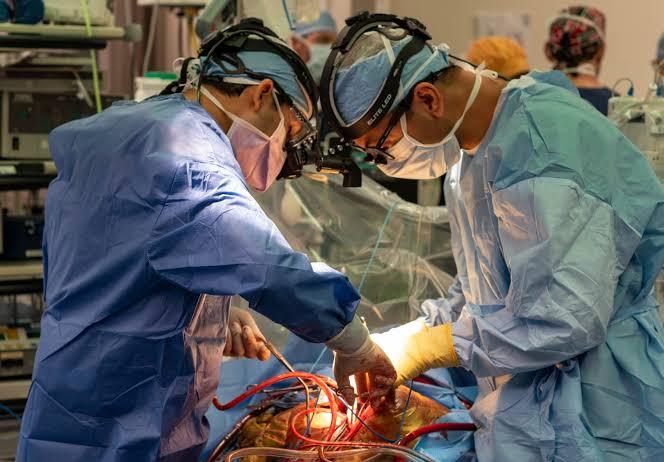
Open-heart surgery is a surgical procedure in which the surgeon accesses the heart through the chest to perform the required operation.
The type of surgery varies depending on the patient's condition. It may involve treating certain coronary artery problems, repairing or replacing a heart valve, or managing other heart conditions that require surgical intervention.
When Does a Patient Need Open-Heart Surgery?
Not every patient with heart disease requires open-heart surgery. The decision depends on the diagnosis, severity of the condition, symptoms, and its effect on heart function.
Surgery may be considered when a condition requires surgical treatment that cannot be adequately achieved through medication or other available procedures.
The doctor may consider several factors, including:
-
The type of heart disease.
-
The severity of the condition.
-
The patient's symptoms.
-
Medical tests and imaging results.
-
Heart function.
-
The patient's overall health.
-
Whether other treatment options are appropriate.
What Conditions May Require Heart Surgery?
The conditions requiring surgery vary from one patient to another. Some may involve the following:
Coronary Artery Disease
Some patients may require surgery to create an alternative route for blood flow to the heart muscle when certain coronary arteries have significant narrowing or blockage.
Heart Valve Disease
Certain heart valve conditions may require valve repair or replacement when the problem significantly affects heart function or causes symptoms and complications.
Other Heart Conditions
There are other conditions that may require surgical intervention. The appropriate procedure is determined according to the patient's specific diagnosis and medical needs.
What Tests Are Needed Before Open-Heart Surgery?
Before surgery, the patient undergoes a comprehensive medical evaluation to assess their condition and determine their readiness for the procedure.
Depending on the case, tests may include:
-
Blood tests.
-
Electrocardiogram (ECG).
-
Echocardiogram.
-
Chest X-ray.
-
CT scans or other imaging tests when necessary.
-
Tests to evaluate heart and lung function.
The doctor determines which tests are required according to the patient's condition and the planned surgical procedure.
How Should a Patient Prepare for Open-Heart Surgery?
Proper preparation is an important part of the treatment process.
Patients should inform their doctor about all medications they take, as well as any chronic medical conditions or previous surgeries.
They should also follow the medical team's instructions regarding medications, food, physical activity, and other preparations before surgery.
Patients should never stop or change their medications without consulting their doctor.
What Happens During Open-Heart Surgery?
The operation is performed under general anesthesia, and the exact procedure depends on the type of surgery being performed.
During some heart operations, a heart-lung bypass machine may be used to maintain blood circulation and oxygenation while the surgeon performs the required procedure.
A specialized team of cardiac surgeons, anesthesiologists, and intensive care professionals monitors the patient throughout the operation and recovery period.
What Happens After Open-Heart Surgery?
After surgery, the patient requires close medical monitoring during the initial recovery period.
The patient may initially be monitored in an intensive care unit before being transferred to a regular hospital room, depending on their condition.
The medical team develops a postoperative care plan that may include medications, gradual physical activity, wound care, and follow-up appointments.
How Long Does Recovery Take?
There is no single recovery period that applies to every patient.
Recovery depends on the type of surgery, the patient's overall health, age, response to treatment, and the presence of other medical conditions.
Patients are generally advised to gradually return to their daily activities according to their doctor's instructions.
Why Is Follow-Up Important After Heart Surgery?
Medical follow-up is an essential part of the recovery process.
Follow-up appointments allow the doctor to assess the patient's recovery, review medications, monitor heart function, and make sure recovery is progressing appropriately.
Follow-up can also help identify new symptoms or potential problems that may require early medical evaluation.
Is Open-Heart Surgery Safe?
Like any major surgical procedure, open-heart surgery carries potential risks, which vary depending on the type of surgery and the patient's overall health.
For this reason, the patient's condition is carefully evaluated before surgery, and the medical team discusses the procedure, expected outcomes, and potential risks with the patient.
The suitability of surgery can only be determined after the necessary medical evaluation.
When Should You Consult a Cardiothoracic Surgeon?
If a patient has been diagnosed with a heart condition that may require surgical treatment, consulting a cardiothoracic surgeon can help evaluate the condition and identify appropriate treatment options.
The surgeon can also review medical tests and imaging to determine whether surgery is necessary and which procedure may be most appropriate.
Dr. Mohamed Hassan Abdullah | Consultant of Cardiothoracic Surgery
Dr. Mohamed Hassan Abdullah specializes in cardiothoracic surgery, including:
-
Open-heart surgery.
-
Coronary artery bypass surgery.
-
Heart valve surgery.
-
Minimally invasive surgery.
-
Chest surgery.
-
Video-Assisted Thoracoscopic Surgery (VATS).
Clinic Locations and Working Hours
Saturday | Military Production Hospital
🕐 1:00 PM
☎️ 02-28167051
Monday | Gardenia Clinics
📍 35 Al Qasr Al Ainy Street
🕐 8:00 PM
📞 01119226555 / 02-23621602
Wednesday | Arab Contractors Hospital
🕐 12:00 PM
Friday | Damanhour Cardiac Center (DCC)
📍 Inside Dar Al Shifa Hospital, Damanhour, Beheira
📌 Appointments by prior booking
📞 01028888719
☎️ 0453333372
📞 01028888716
Conclusion
Open-heart surgery is an important treatment option for certain heart conditions that require surgical intervention. The type of surgery depends on the nature of the disease, its severity, and the patient's overall health.
The decision to undergo surgery begins with an accurate diagnosis, followed by a comprehensive evaluation of heart function, medical tests, imaging, and available treatment options.
Consulting a cardiothoracic surgeon can help the patient understand their condition and determine the most appropriate treatment approach.
Dr. Mohamed Hassan Abdullah – Consultant of Cardiothoracic Surgery