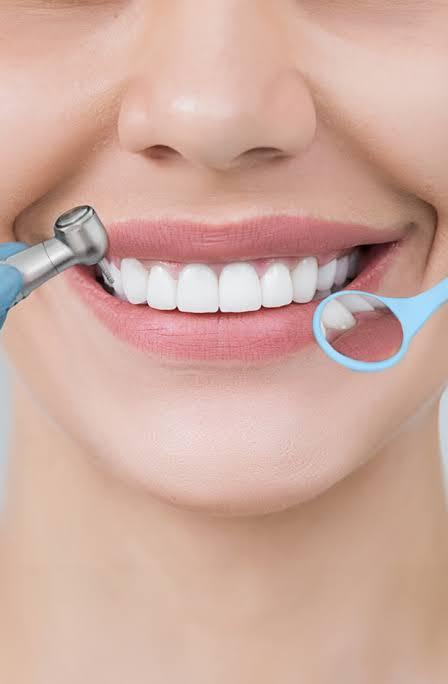

Oral Medicine, Gum Surgery and Dental Prosthetics in Sheikh Zayed | Dr. Somaya Sobhy Abu Zeid
Oral health involves much more than treating teeth. It also includes caring for the gums and surrounding tissues, identifying oral health problems, addressing gum conditions when necessary, and restoring the function and appearance of missing or damaged teeth through suitable dental prosthetics.
Oral medicine, gum surgery and dental prosthetics cover several important areas of dentistry, from evaluating oral and gum conditions to performing surgical procedures when needed and restoring damaged or missing teeth with an appropriate prosthetic solution.
At Dr. Somaya Sobhy Abu Zeid’s Clinic in Sheikh Zayed, treatment begins with a thorough assessment of the patient's oral and dental condition, followed by a treatment plan based on individual needs.
.jpg)
2. Dr. Somaya Sobhy Abu Zeid Clinic Contact Information
📍 Detailed Address:
Sheikh Zayed City — Al Shabab Street — Agora Mall — Second Floor.
💬 Direct Consultation WhatsApp:
01096101006
💬 Appointment Booking WhatsApp:
01011806864
📞 Clinic Phone:
01096101006
📞 Additional Phone:
01100047418
3. What Do Oral Medicine, Gum Surgery and Dental Prosthetics Include?
This field covers a range of dental services designed to address oral, gum and dental problems and restore dental function when teeth are damaged or missing.
Depending on the patient's condition, services may include:
- Evaluation of oral conditions and tissues surrounding the teeth.
- Assessment of gum problems.
- Treatment of certain gum diseases.
- Gum surgery when clinically indicated.
- Selected oral surgical procedures.
- Replacement of missing teeth.
- Fixed or removable dental prosthetics.
- Follow-up care to maintain oral health and treatment outcomes.
The appropriate procedure varies from one patient to another and depends on a clinical examination.
4. Why Is Gum Health Important?
Healthy gums are an essential part of overall oral health. Untreated gum problems may affect the tissues supporting the teeth and can lead to progressive oral health issues.
Gum problems may appear as:
- Bleeding while brushing.
- Swollen or red gums.
- Persistent or unusual bad breath.
- Gum recession.
- Tooth sensitivity.
- Loose teeth in advanced cases.
These symptoms do not necessarily mean that the condition is advanced, but persistent symptoms should be evaluated by a dentist.
5. When Might Gum Problems Require Surgery?
Not every patient with gum disease needs surgery.
Treatment depends on the severity of the condition, gum and dental health, and the response to nonsurgical treatment. Nonsurgical gum treatment may include professional cleaning and scaling and root planing, while surgical procedures may be considered in selected cases.
Depending on the condition, gum procedures may include:
- Gum grafting for gum recession.
- Certain periodontal surgical procedures.
- Removal of excessive gum tissue in selected cases.
- Crown lengthening in appropriate cases.
- Other procedures involving the tissues supporting the teeth.
The final decision depends on the clinical assessment and treatment plan.
6. Gum Surgery and Gum Recession
Gum recession may expose parts of the tooth roots and can sometimes be associated with tooth sensitivity and other oral health concerns.
In selected cases, gum graft surgery may be used to cover exposed roots and add volume to the gum tissue. Whether the procedure is appropriate depends on an evaluation of the gums and teeth.
Certain surgical procedures may also reshape gum tissue or address excessive gum tissue when clinically appropriate.
7. What Are Dental Prosthetics?
Dental prosthetics are restorations used to replace missing teeth or restore the shape and function of damaged teeth.
Common types include:
Fixed Prosthetics
Such as:
- Dental crowns.
- Dental bridges.
A crown may be used to cover and protect a damaged or weakened tooth in appropriate cases, while a bridge can replace one or more missing teeth.
Removable Prosthetics
These include partial or complete dentures that can be removed and inserted according to the design selected for the patient's condition.
The appropriate type depends on the number of missing teeth, the condition of the remaining teeth, gum health, bite, and the patient's individual needs.
8. How Is the Appropriate Dental Prosthesis Selected?
There is no single type of dental prosthesis that is suitable for every patient.
Before selecting a restoration, the dentist may evaluate:
- The number of missing teeth.
- The condition of the remaining teeth.
- Gum and supporting tissue health.
- Jawbone condition when relevant.
- The patient's bite.
- Functional requirements.
- Aesthetic considerations.
- Overall health.
Some patients may need gum or dental treatment before starting the prosthetic process.
9. The Relationship Between Gum Health and Dental Prosthetics
The success of a dental restoration is not determined by the appearance of the prosthesis alone. It is also influenced by the condition of the gums and the teeth supporting the restoration.
If gum inflammation or another periodontal problem is present, treatment and stabilization of the oral tissues may be necessary before certain prosthetic procedures.
Daily oral hygiene and regular follow-up also play an important role in maintaining natural teeth, gums and dental prosthetics.
10. Do Oral and Gum Surgeries Require Special Preparation?
Preparation varies depending on the procedure.
Before certain treatments, the dentist may recommend:
- A dental and gum examination.
- Reviewing the patient's medical history and medications.
- Dental imaging or additional tests when necessary.
- Selecting the appropriate type of anesthesia.
- Providing specific pre- and post-procedure instructions.
After surgery, recovery time and care instructions depend on the type and extent of the procedure.
11. What Happens After Oral or Gum Surgery?
After a surgical procedure, patients should follow the dentist's instructions regarding care of the treated area.
Depending on the procedure, instructions may include:
- Maintaining oral hygiene according to the recommended method.
- Taking prescribed medications when applicable.
- Avoiding foods that may irritate the surgical area during the recommended period.
- Attending follow-up appointments.
- Contacting the dentist if unusual or persistent symptoms occur.
Recovery varies from one patient to another, so recovery times should not be compared between different cases.
12. When Should You Visit a Dentist?
A dental evaluation should not be delayed when persistent symptoms such as the following appear:
- Recurrent gum bleeding.
- Gum swelling or pain.
- Noticeable gum recession.
- Loose teeth.
- Tooth loss.
- Difficulty chewing.
- Persistent oral pain.
- Problems with an existing crown, bridge or other restoration.
Early assessment can help identify the problem and establish an appropriate treatment plan.
13. Frequently Asked Questions About Oral Medicine, Gum Surgery and Dental Prosthetics
Does every gum problem require surgery?
No. Many gum conditions can be managed with nonsurgical treatments, while surgery may be recommended in selected cases depending on the severity of the condition and response to treatment.
Can dental prosthetics replace missing teeth?
Yes. Several types of prosthetic solutions can replace missing teeth, including bridges, dentures and certain implant-supported restorations, depending on the patient's condition.
Can dental prosthetics be placed when there is a gum problem?
It depends on the condition of the gums and teeth. In some cases, treating the gum problem and stabilizing the supporting tissues may be necessary before placing the restoration.
What is the difference between a crown and a bridge?
A crown generally covers and protects a damaged or weakened tooth, while a bridge can replace one or more missing teeth using appropriate supporting teeth or structures.
Are gum surgeries painful?
Appropriate anesthesia is used during dental procedures. The amount of discomfort after surgery varies depending on the type of procedure and the patient's condition. The dentist provides suitable post-operative instructions.
Can the appropriate dental prosthesis be selected from photos alone?
Photos may provide an initial indication, but selecting the appropriate restoration generally requires a clinical examination and may require dental imaging or additional tests.
14. Contact Dr. Somaya Sobhy Abu Zeid
If you have a gum problem, need an oral and dental assessment, or are looking for an appropriate restoration to replace missing teeth, the first step is a thorough examination to determine your individual needs.
You can contact Dr. Somaya Sobhy Abu Zeid at her clinic in Sheikh Zayed for consultation and appointment booking.
📍 Address:
Sheikh Zayed City — Al Shabab Street — Agora Mall — Second Floor.
💬 Consultation WhatsApp:
01096101006
💬 Appointment Booking WhatsApp:
01011806864
📞 Clinic Phone:
01096101006
📞 Additional Phone:
01100047418