

Orthodontic Treatment in Basyoun | Dr. Asmaa Khaled Wafy
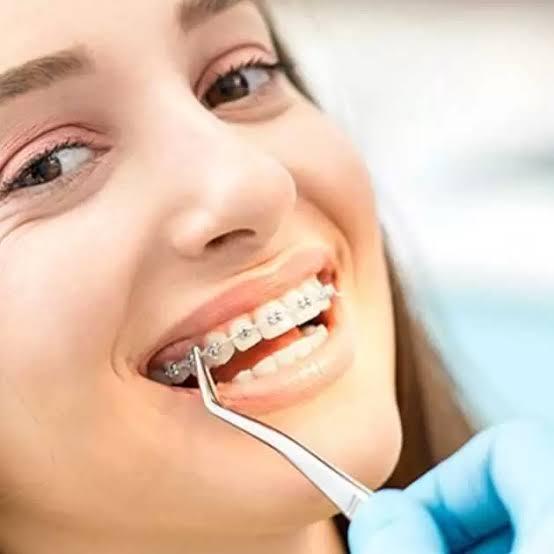
Orthodontic treatment helps improve tooth alignment and correct certain bite problems, such as crowded teeth, gaps between teeth, or an improper relationship between the upper and lower teeth when the mouth closes. Its purpose is not limited to improving the appearance of a smile. When alignment or bite problems are present, treatment may also make oral hygiene easier and improve chewing function.
The choice of orthodontic appliance and the duration of treatment depend on the condition of the teeth and jaws, the patient's age, and the complexity of the problem. Treatment usually begins with an assessment of the teeth, gums, and bite to determine an appropriate plan, followed by regular monitoring throughout treatment.
Contact and Booking Information for Dr. Asmaa Khaled Wafy
Address:
Zaghloul Street, Basyoun, Gharbia Governorate, next to the National Bank and Sednawy, opposite Dr. Abdel Ghaffar Dawood Center, above Al-Hilal Laboratory, Egypt.
Phone/WhatsApp:
What Is Orthodontic Treatment, and When Might You Need It?
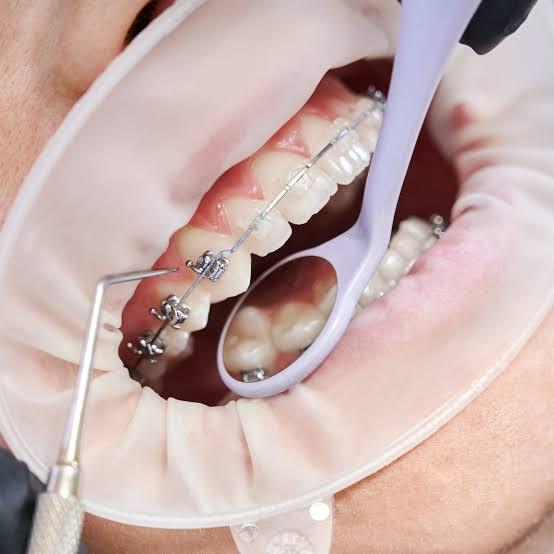
Orthodontics is a field of dental care focused on correcting tooth positions and, when necessary, improving the relationship between the upper and lower jaws. Orthodontic appliances apply controlled pressure to move teeth gradually into more suitable positions.
An orthodontic assessment may be recommended for several reasons, including:
-
Crowded teeth: When there is insufficient space for the teeth to align properly within the jaw.
-
Gaps between teeth: When noticeable spaces are present between adjacent teeth.
-
Protruding front teeth: When the position of the front teeth affects the bite or requires functional assessment.
-
Bite problems: When the upper and lower teeth do not meet properly as the mouth closes.
-
Difficulty cleaning crowded teeth: Misaligned teeth can make some areas harder to reach during daily oral hygiene.
Not everyone with misaligned teeth requires the same treatment. Some cases are relatively simple, while others need a more complex plan. An examination helps determine whether orthodontics is appropriate and what outcomes may realistically be expected.
What Are the Different Types of Braces?
Several types of orthodontic appliances are available. The choice depends on the dental problem, the patient's needs, and the suitability of each option.
Traditional Metal Braces
These usually consist of brackets attached to the teeth and connected by wires that help move the teeth gradually. They can be used to manage various alignment and bite problems, depending on the treatment plan.
Fixed braces require careful cleaning because plaque and food debris can accumulate around the brackets and wires when oral hygiene is inadequate.
Ceramic Braces
Ceramic braces work in a similar way to traditional fixed braces, but their brackets are made from a tooth-colored material. This can make them less noticeable when smiling.
Their suitability depends on the condition being treated, as well as the patient's cleaning routine and follow-up requirements throughout treatment.
Clear Removable Aligners
This type of treatment uses transparent trays designed to fit over the teeth. The trays are changed according to a treatment plan to move the teeth gradually. They can be removed for meals and tooth cleaning, but treatment depends on wearing them for the daily duration prescribed by the clinician.
Clear aligners are not suitable for every type of crowding or bite problem, so an assessment is needed before deciding whether they are appropriate.
The most suitable option is selected after examination. The existence of several types of braces does not mean that every option is available or appropriate for every patient.
What Are the Stages of Orthodontic Treatment?
Treatment begins with an examination of the teeth and gums and an assessment of the bite and tooth positions. Depending on the case, dental X-rays, photographs, or measurements of the teeth and jaws may also be required.
Before braces are fitted, problems that could affect oral health, such as tooth decay or gum inflammation, should be addressed. The clinician should also ensure that the patient can maintain daily oral hygiene and attend regular follow-up appointments.
Next, an appropriate appliance is selected and treatment begins. During this stage, the teeth gradually move toward their planned positions. Follow-up visits allow the clinician to monitor progress and make necessary adjustments. Temporary pressure or discomfort may occur after braces are fitted or adjusted and often improves gradually.
Once the planned result is achieved, fixed braces are removed or the aligner phase is completed. A retention phase then begins to help maintain the new tooth positions.
How Long Does Orthodontic Treatment Take?
Treatment duration varies according to the severity of crowding, the type of bite problem, the appliance used, the response of the teeth, and adherence to follow-up appointments and instructions.
Some treatment plans take several months, while others require a longer period that may extend to around two years or more. An accurate estimate cannot be given before the teeth and bite have been examined.
Missing appointments, damaging an appliance, or failing to wear removable aligners as instructed may also extend treatment time.
It is important not to rush tooth movement or attempt to adjust an orthodontic appliance yourself. Tooth movement needs to be carefully planned to reduce the risk of unwanted complications.
Is Orthodontic Treatment Suitable for Children and Adults?
Children can be assessed to determine whether orthodontic treatment is needed during the development of their teeth and jaws. The appropriate timing depends on the type of problem and the child's stage of growth, rather than age alone.
Adults can also receive orthodontic treatment if their teeth and gums are healthy enough for it. Treatment is not limited to teenagers, although some adults may need a different approach because of existing dental conditions or previous treatment.
At any age, healthy teeth and gums are important before and during orthodontic treatment. If tooth decay or gum disease is present, it usually needs to be treated first to reduce the risk of complications.
How Should You Care for Your Teeth During Orthodontic Treatment?
Daily oral hygiene is especially important during orthodontic treatment. Plaque around brackets and wires can increase the risk of tooth decay, gum inflammation, and white marks on the tooth surface.
The following habits can help maintain oral health throughout treatment:
-
Brush with fluoride toothpaste, paying close attention to the areas around brackets and wires.
-
Use a suitable brush to clean around orthodontic appliances.
-
Reduce foods and drinks high in sugar.
-
Avoid hard and sticky foods that may damage fixed braces.
-
Attend scheduled appointments and routine dental check-ups.
-
Contact the clinician if part of the appliance breaks or unusual pain continues.
After treatment, a fixed or removable retainer may be needed according to the clinician's instructions. Retainers help reduce the chance of teeth moving back after the braces have been removed.
Arrange an Orthodontic Assessment with Dr. Asmaa Khaled Wafy
Choosing an appropriate orthodontic treatment starts with a careful assessment of tooth positions, the bite, and gum health. The treatment plan is then tailored to the patient's needs. Following instructions, attending scheduled appointments, and maintaining daily oral hygiene all help support treatment progress and oral health.
For appointments or inquiries, contact Dr. Asmaa Khaled Wafy by phone or WhatsApp.
Contact Numbers:
Address:
Zaghloul Street, Basyoun, Gharbia Governorate, next to the National Bank and Sednawy, opposite Dr. Abdel Ghaffar Dawood Center, above Al-Hilal Laboratory, Egypt.
