Overeating Meat During Eid al-Adha.. Does It Strain the Kidneys?
Eid al-Adha comes every year carrying moments of joy, family gatherings, visits, and festive meals that everyone looks forward to. It is one of the occasions most associated with rich traditional foods, especially various types of meat. During the Eid days, tables are filled with dishes such as fattet meat, grilled meats, red meat dishes, liver, and stuffed delicacies


Overeating Meat During Eid al-Adha.. Does It Strain the Kidneys? 🥩🩺
Eid al-Adha comes every year carrying moments of joy, family gatherings, visits, and festive meals that everyone looks forward to. It is one of the occasions most associated with rich traditional foods, especially various types of meat. During the Eid days, tables are filled with dishes such as fattet meat, grilled meats, red meat dishes, liver, and stuffed delicacies. Many people tend to consume large amounts of food throughout the day without paying attention to the impact on their health.
Although meat is an important source of protein, iron, and essential nutrients, overeating it within a short period can place a significant burden on the body—especially the kidneys. The kidneys are responsible for filtering blood, removing toxins, and eliminating waste products produced from protein digestion.
With increased consumption of proteins and fats during Eid, the kidneys are forced to work harder to process the excess load. This may lead to fatigue or the appearance of certain health issues, particularly among individuals who suffer from chronic conditions such as high blood pressure, diabetes, or pre-existing kidney problems.
Therefore, health awareness and medical checkups after Eid are very important, as early detection of any kidney-related issue helps prevent complications and maintain overall health.
At Al Badr Medical Laboratory in Faqous, we are always committed to providing accurate diagnostic services that help patients monitor their health easily and quickly, especially during periods of dietary excess such as Eid al-Adha.
Why Does Excess Meat Consumption Affect the Kidneys? ⚠️
The kidneys play a vital role in filtering waste, balancing fluids, regulating minerals, and maintaining blood pressure stability. When a person consumes excessive amounts of meat and protein-rich foods in a short time, the body produces higher levels of nitrogen waste from protein metabolism.
These waste products must be filtered and excreted through urine, which increases the workload on the kidneys. While healthy kidneys can handle temporary increases, continuous overload may lead to strain, especially in individuals with underlying conditions.
Additionally, many Eid foods are rich in fats, salt, and spices, which can further affect kidney function and increase the risk of fluid retention, kidney stones, or elevated uric acid levels.
What Is the Relationship Between Protein and Kidney Function? 🥩
Protein is essential for muscle building and body strength, but excessive intake can place extra stress on the kidneys. After digestion, protein produces waste compounds that must be eliminated through urine.
When protein intake increases excessively, levels of the following may rise:
- Urea
- Creatinine
- Uric acid
This forces the kidneys to work harder to filter the blood. Over time, this may contribute to kidney strain, especially in individuals who are already at risk.
In addition, insufficient water intake during Eid worsens the situation, as the body needs enough fluids to properly flush out toxins and maintain kidney function.
Can Excess Meat Cause Kidney Stones? 🪨
One of the common issues associated with high meat consumption is an increased risk of kidney stone formation. This risk is higher among individuals who have a genetic predisposition or a previous history of kidney stones.
Animal protein can increase uric acid levels and urinary salts, which may contribute to crystal formation over time—especially if water intake is low.
Symptoms of kidney stones include:
- Severe pain in the sides or lower back
- Burning sensation during urination
- Changes in urine color
- Nausea or vomiting
- Frequent or difficult urination
Doctors always recommend drinking plenty of water and moderating meat intake during Eid to protect kidney health.
How Does Excess Meat Affect Diabetes and Blood Pressure Patients? 💉
Patients with diabetes and high blood pressure are among the most vulnerable to kidney complications, as these conditions already affect blood vessels and kidney function over time.
During Eid, overeating meat and fatty foods may lead to:
- Increased blood pressure due to high salt and fat intake
- Elevated blood sugar levels
- Increased kidney workload
- Fluid retention
- High uric acid levels
Therefore, patients with chronic conditions should carefully monitor their food intake and regularly perform medical tests.
At Al Badr Medical Laboratory in Faqous, we provide accurate tests that help patients monitor kidney function and overall health with ease and reliability.
Symptoms That May Indicate Kidney Strain After Eid 🚨
In many cases, symptoms may not appear clearly at first. However, some warning signs may indicate kidney stress due to excessive protein and fat intake:
- Persistent fatigue
- Swelling in feet or face
- Reduced or changed urine output
- Burning during urination
- High blood pressure
- Nausea
- Pain in the lower back or sides
- Severe thirst and dehydration
- Sleep disturbances or loss of appetite
If any of these symptoms appear, medical testing is strongly recommended.
Why Are Medical Tests Important After Eid al-Adha? 🔬
Medical tests help detect health issues early—even before symptoms appear. This makes them especially important after periods of dietary excess such as Eid.
Kidney function tests help evaluate how well the kidneys are working and detect abnormalities in urea, creatinine, or mineral levels.
At Al Badr Medical Laboratory, we use advanced technology to ensure fast and accurate results, helping patients receive timely medical care when needed.
Essential Kidney Function Tests 🧪
- Complete Kidney Function Test: Evaluates overall kidney performance.
- Creatinine Test: Measures kidney filtering efficiency.
- Urea Test: Assesses waste removal from protein metabolism.
- Uric Acid Test: Detects gout risk and stone formation tendency.
- Urine Analysis: Detects infections, salts, or kidney issues.
- Electrolyte Test: Evaluates mineral balance in the body.
Important Tips to Protect Kidney Health During Eid 💧
- Eat meat in moderation.
- Avoid excessive fatty meat consumption.
- Drink plenty of water throughout the day.
- Reduce salt, pickles, and soft drinks.
- Increase intake of fruits and vegetables.
- Stay active and walk after meals.
- Avoid eating large portions in one sitting.
- Do regular kidney function tests, especially for high-risk individuals.
When Should You See a Doctor? 👨⚕️
Seek medical attention if you experience:
- Persistent back or side pain
- Noticeably reduced urine output
- Blood in urine
- Sudden high blood pressure
- Swelling in face or feet
- Severe and ongoing fatigue
Early intervention helps prevent serious complications.
Why Do People Trust Al Badr Medical Laboratory? 🏥
Accuracy and speed are essential in medical diagnostics. Al Badr Medical Laboratory in Faqous is committed to providing high-quality laboratory services using modern equipment and advanced technology.
The laboratory is supervised by Dr. Ayman Samir Badran, ensuring reliable results and excellent patient care.
Al Badr Medical Laboratory – Accurate & Fast Testing 🩺
Branch 1: Faqous – Al-Qarin Station – Geelan Medical Tower – Above Al Ahly Exchange (opposite Salheya New Station)
Branch 2: Al-Monisi Street – Main Road of Faqous City – next to Dr. Abdel Khalek Pharmacy
Phone: 01095958759
Your health deserves care and attention… and Al Badr Medical Laboratory is always here for you with accurate diagnosis and better peace of mind.

Dr. Menna Morsi uses the latest cosmetic dentistry techniques to preserve the health of your teeth while delivering outstanding aesthetic results through a personalized treatment plan tailored to your individual needs.
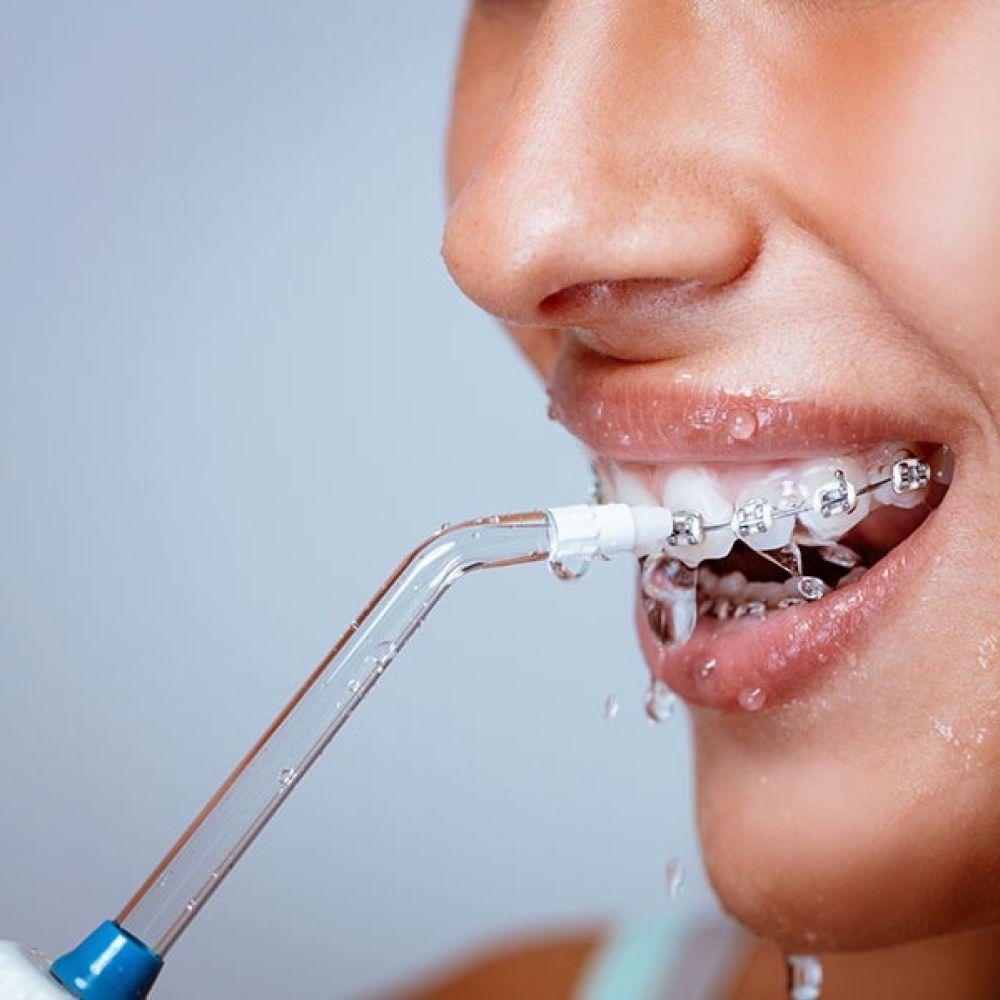
Over time, neglecting oral hygiene while wearing braces can lead to plaque buildup, gum inflammation, bad breath, and even affect the overall success of your orthodontic treatment by potentially extending the treatment period.
Looking for vision improvement treatment in El Khusus? Dr. Mahmoud El-Azizi offers the latest technologies for diagnosing and treating vision problems, including laser vision correction, cataract and glaucoma treatment, with comprehensive eye care using state-of-the-art medical equipment.
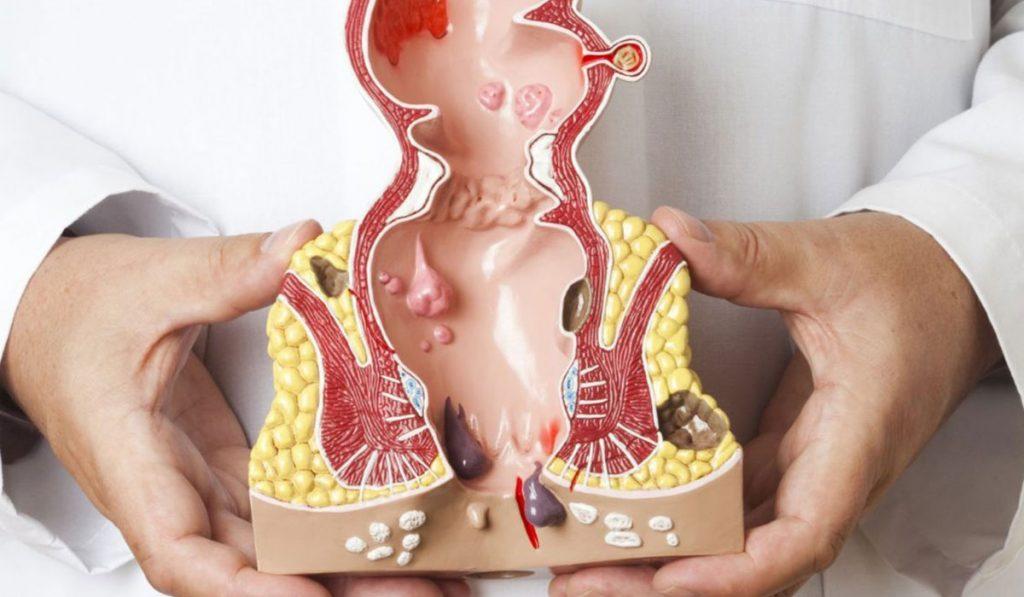
With the advancement of colorectal surgery, most cases of anal fistula and pilonidal sinus can now be treated using modern surgical and technological techniques that precisely remove the diseased tissue, minimize pain, accelerate wound healing, and reduce the risk of recurrence.
