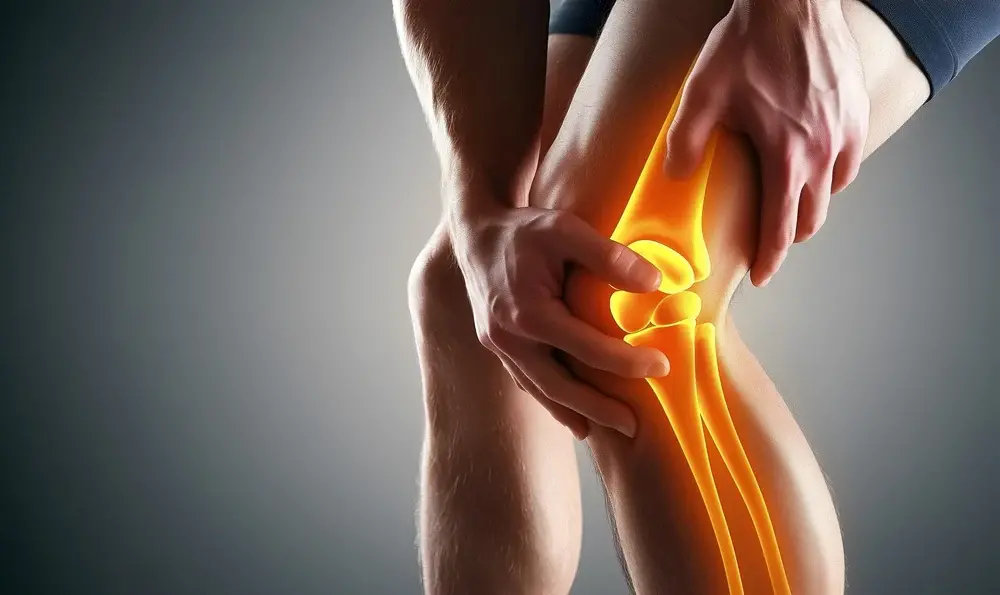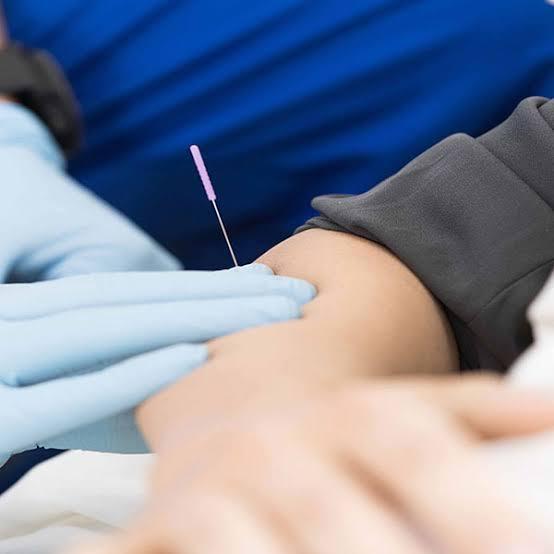

Pain Management with Dry Needling in Mohandessin and Giza | Dr. Hadeer Sami
If you are looking for pain management with dry needling in Mohandessin, you can contact Dr. Hadeer Sami to discuss whether this technique may be appropriate for your condition following a professional assessment.
📞 For appointments and inquiries: 01143477710 – 01206666199
📍 Address: 9 Abdel Hamid Lotfy Street – Off El-Batal Ahmed Abdel Aziz Street – Mohandessin, Giza.
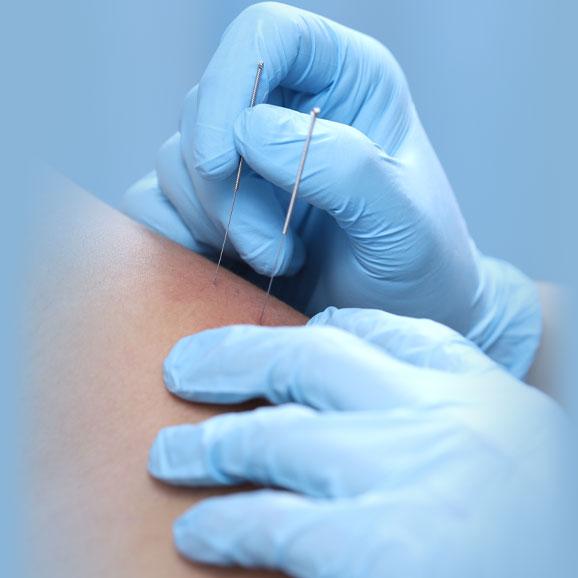
1. What Is Dry Needling?
Dry needling is a therapeutic technique that uses very thin needles inserted into specific areas of muscles and soft tissues to address certain problems associated with pain and muscle tension.
Dry needling is different from traditional acupuncture in terms of its therapeutic approach and the way treatment areas are selected.
Its use is not simply about inserting a needle. Appropriate assessment is important for identifying the muscles or tissues that may benefit from the technique.
2. How Can Dry Needling Help With Pain?
Dry needling may be incorporated into a treatment plan for certain muscular and movement-related conditions.
Depending on the individual case, it may help with:
- Reducing certain types of pain.
- Addressing areas of muscle tightness.
- Improving muscle movement in some cases.
- Reducing muscle tension.
- Supporting functional recovery as part of rehabilitation.
However, responses vary between individuals, and dry needling is not considered an appropriate treatment for every type of pain.
3. What Conditions May Be Treated With Dry Needling?
Dry needling may be used in certain conditions involving muscles and soft tissues, depending on the assessment.
It may be incorporated into treatment plans for some types of:
- Neck pain.
- Shoulder pain.
- Back pain.
- Muscle tightness.
- Movement problems associated with muscles.
- Pain related to sensitive or tight areas within muscles.
Whether the technique is appropriate depends on the cause of the pain, overall health, and symptoms—not simply the location of the pain.
4. Dry Needling for Neck and Shoulder Pain
In some cases, neck and shoulder pain may be associated with increased tension in certain muscles or the presence of painful areas within muscle tissue.
In such situations, dry needling may be used as part of a treatment plan targeting the affected muscles, along with other therapeutic techniques when appropriate.
The goal is not simply to provide temporary pain relief, but to address contributing factors and improve movement and function where possible.
5. Dry Needling for Back Pain
Back pain can have many different causes, so dry needling should not be considered a general treatment for every type of back pain.
If the pain has a muscular component, a specialist may consider dry needling as part of a treatment plan following an appropriate assessment.
Severe, persistent, or unusual symptoms require appropriate medical evaluation before selecting a treatment technique.
6. What Happens During a Dry Needling Session?
A session generally begins with an assessment of the symptoms and treatment area, followed by identifying the muscles or tissues that may be targeted.
Thin needles are then inserted into selected areas according to the treatment plan.
A person may experience:
- A brief needle sensation.
- A feeling of muscle tightening or twitching.
- Mild, temporary soreness.
- Tenderness or bruising after the session.
The experience varies depending on the treatment area and technique used.
7. Is Dry Needling Painful?
Some people may experience a brief needle sensation or mild discomfort when the needle is inserted. A short muscle twitch or tightening sensation may also occur.
Mild soreness or tenderness may develop after the session and is generally temporary.
The technique should be performed according to the individual's assessment and with appropriate clinical precautions.
8. Is Dry Needling Suitable for Everyone?
No.
Before dry needling is performed, the patient's condition, medical history, medications, and other relevant factors should be assessed.
Some situations may require avoiding the procedure or taking additional precautions. Therefore, dry needling should not be performed without an appropriate professional assessment.
9. What Is the Difference Between Dry Needling and Acupuncture?
Although both techniques involve needles, dry needling and acupuncture are not the same treatment.
Dry needling is generally used within a musculoskeletal and movement-based treatment context, with target areas selected according to the assessment of muscles, tissues, and symptoms.
Acupuncture is a different therapeutic practice with its own principles and techniques.
Understanding which technique is being used and why is important before starting treatment.
10. Why Does Pain Treatment Start With an Assessment?
Pain is not a single condition and can have different causes.
Simply identifying where the pain occurs may not always be enough to determine the appropriate treatment. Pain may be related to muscles, joints, nerves, or other factors that require a different assessment.
An assessment can help determine:
- The nature of the problem.
- The affected muscles or areas.
- Whether dry needling is appropriate.
- Whether additional treatment techniques are needed.
- An appropriate treatment and rehabilitation plan.
This allows dry needling to be used as part of an individualized treatment plan when appropriate rather than as a one-size-fits-all procedure.
11. Dry Needling with Dr. Hadeer Sami in Mohandessin
If you are looking for pain management with dry needling in Mohandessin and Giza, you can contact Dr. Hadeer Sami to ask about the technique and whether it may be appropriate for your condition.
📍 Clinic Address
9 Abdel Hamid Lotfy Street – Off El-Batal Ahmed Abdel Aziz Street – Mohandessin, Giza.
📞 Appointment and Customer Service Numbers
It is recommended to contact the clinic in advance to ask about available appointments and arrange an assessment.
12. Frequently Asked Questions About Dry Needling
Can dry needling permanently eliminate pain?
A permanent result cannot be guaranteed for every condition. The response depends on the cause of pain, the underlying problem, and the overall treatment plan.
How many dry needling sessions are needed?
There is no fixed number of sessions for everyone. The number of sessions depends on the assessment and the individual's response to treatment.
Can dry needling be combined with physical therapy?
Dry needling may be incorporated into a physical therapy and rehabilitation program in certain cases, depending on the patient's needs and professional assessment.
Can dry needling be used for back pain?
It may be appropriate for some cases involving a muscular component, but an assessment is necessary because back pain can have many different causes.
Can dry needling be used for neck pain?
It may be used for certain types of muscle-related neck pain, but the condition should first be assessed to determine the cause and whether the technique is appropriate.
13. Book Your Assessment
If you are experiencing pain or muscle tightness and are looking for dry needling in Mohandessin, you can contact Dr. Hadeer Sami to discuss whether this technique may be suitable for your condition and to arrange an appropriate treatment plan following assessment.
📞 For appointments and inquiries:
01143477710 – 01206666199
📍 Address:
9 Abdel Hamid Lotfy Street – Off El-Batal Ahmed Abdel Aziz Street – Mohandessin, Giza.