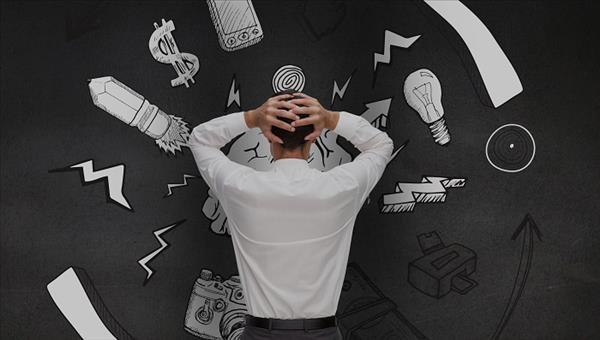

Panic attacks are among the most common psychological disorders that cause sudden and intense feelings of fear or anxiety. They may occur without an obvious reason. Although they can feel frightening, they are not dangerous in themselves and can be understood and managed properly.
What Are Panic Attacks?
A panic attack is a sudden episode of intense fear that triggers strong physical and psychological symptoms. It usually peaks within a few minutes and then gradually subsides.
Symptoms of Panic Attacks
Symptoms may vary from person to another, but commonly include:
Rapid heartbeat
Shortness of breath or feeling of choking
Excessive sweating
Dizziness or feeling faint
Chest pain or pressure
Feeling of losing control or fear of dying
Causes of Panic Attacks
There is no single specific cause of panic attacks, but they may result from a combination of factors such as:
Severe stress and psychological pressure
Exposure to traumatic experiences
Anxiety disorders
Genetic factors
Fatigue and lack of sleep
How to Deal with Panic Attacks
Managing panic attacks depends on understanding the condition and controlling symptoms. Important strategies include:
Slow and deep breathing techniques
Trying to stay calm and avoid panic
Focusing on a fixed object in the environment
Avoiding caffeine and stimulants
Treatment of Panic Attacks
Treatment varies depending on the case and may include:
Psychotherapy such as cognitive behavioral therapy (CBT)
Relaxation techniques and stress reduction exercises
Lifestyle changes and healthy routines
In some cases, medication under professional supervision may be required
When Should You Pay Attention?
Attention is needed if panic attacks occur frequently or start affecting daily life such as work, relationships, or the ability to leave home.
Conclusion
Panic attacks are sudden psychological episodes that can be understood and managed. Learning about their causes and symptoms helps significantly in coping with them and reducing their impact on daily life.