Dry eye is one of the most common eye conditions in modern life, especially due to prolonged screen use and exposure to environmental factors. It directly affects eye comfort and vision quality, and in some cases, it may lead to complications that require medical attention.
In this comprehensive guide, you will learn about the causes of dry eye, its symptoms, treatment options, and the best prevention tips.
What is Dry Eye?
Dry eye occurs when the eyes do not produce enough tears or when the quality of tears is insufficient to properly lubricate the eye surface.
Tears are not just water; they consist of multiple layers that help keep the eyes moist and protected from infections.
Symptoms of Dry Eye
Symptoms may vary from person to person, but common signs include:
Burning or stinging sensation
Feeling of a foreign object in the eye
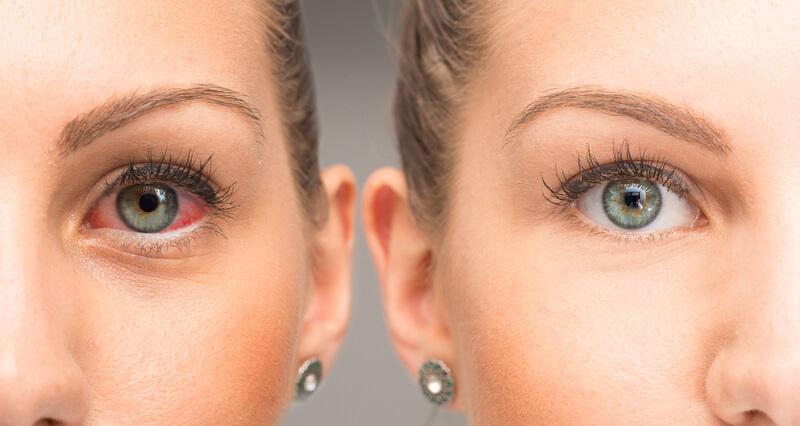
Redness
Blurred vision, especially after screen use
Excessive tearing (as a reflex response)
Difficulty wearing contact lenses
Causes of Dry Eye
Understanding the cause is the first step toward treatment. Common causes include:
1. Prolonged Screen Time
Staring at phones or computers reduces blinking rate, causing faster tear evaporation.
2. Aging
Tear production naturally decreases with age, especially after 40.
3. Environmental Factors
Dry air
Air conditioning
Dust and pollution
4. Medications
Such as antihistamines, blood pressure medications, and some antidepressants.
5. Chronic Diseases
Diabetes
Thyroid disorders
Dry Eye Treatment
Treatment depends on the severity and underlying cause. Common options include:
1. Artificial Tears
The most common solution, helping to lubricate the eyes and compensate for tear deficiency.
2. Lifestyle Changes
Reducing screen time
Taking regular breaks
Increasing blinking frequency
3. Warm Compresses
Help improve oil secretion in the eye and reduce tear evaporation.
4. Humidifiers
Useful in dry indoor environments.
5. Medical Treatment
In advanced cases, doctors may prescribe:
Specialized eye drops
Anti-inflammatory medications
Procedures to stimulate tear production
Best Ways to Prevent Dry Eye
Prevention plays a key role in avoiding the condition:
Follow the 20-20-20 rule (every 20 minutes, look 20 feet away for 20 seconds)
Drink enough water
Wear sunglasses outdoors
Avoid direct airflow to the eyes
Maintain proper eye hygiene
When Should You See a Doctor?
You should consult an eye doctor if you experience:
Persistent symptoms
Severe eye pain
Noticeable vision problems
No improvement with eye drops
Conclusion
Dry eye is not just a minor issue—it can significantly affect your daily life if left untreated. By understanding its causes and following proper treatment and prevention strategies, you can maintain healthy eyes and avoid complications.