
Lower Back Pain: Common Causes and Warning Signs You Shouldn’t Ignore
Lower back pain is one of the most common health problems worldwide, affecting people of all ages. It is often caused by modern lifestyle habits such as prolonged sitting, lack of physical activity, and poor posture. While most cases are mild and temporary, some may indicate serious underlying conditions that require medical attention.
First: Common Causes of Lower Back Pain 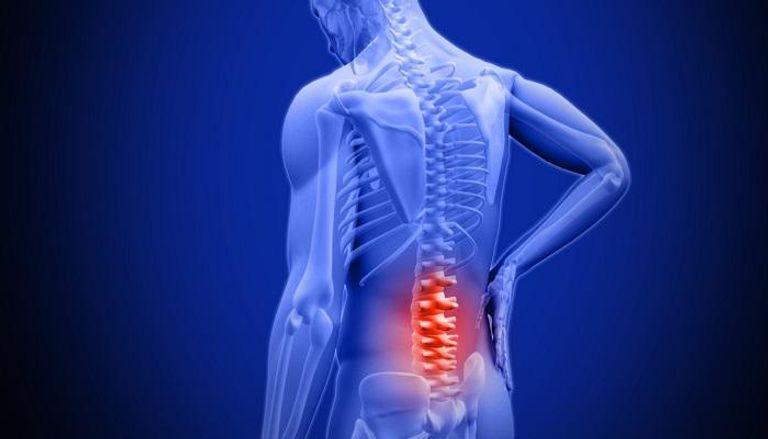
In many cases, lower back pain is linked to muscle strain, which is the most common cause. This often happens due to lifting heavy objects incorrectly or making sudden movements that stress the muscles.
Sitting for long periods, especially while using a computer or mobile phone, also places continuous pressure on the spine, leading to discomfort over time.
Second: Daily Habits That Worsen the Pain
Some everyday habits may seem harmless but can significantly contribute to lower back pain, including:
- Weak back and abdominal muscles due to lack of exercise
- Sleeping in poor positions or using an unsupportive mattress
- Excess weight, which increases pressure on the spine
- Stress and anxiety, leading to muscle tension
These factors combined can worsen the pain and make it last longer.
Third: Possible Medical Causes
Although most cases are mild, some medical conditions may be responsible for lower back pain, such as:
- Herniated disc: puts pressure on nerves and may cause pain radiating to the legs
- Arthritis: especially common with aging
- Sciatica: sharp pain extending from the lower back down the leg due to nerve compression
- Kidney problems: such as infections or stones, often accompanied by side pain or urinary issues
Fourth: Warning Signs You Should Not Ignore
There are certain symptoms that require immediate medical attention, including:
- Pain lasting more than two weeks without improvement
- Severe pain that interferes with daily activities
- Numbness or weakness in the legs
- Loss of bladder or bowel control
- Fever همراه with back pain
- Unexplained weight loss
These symptoms may indicate a serious condition that needs prompt evaluation.
Fifth: When Is the Pain Considered Mild?
Lower back pain is usually mild in the following situations:
- It appears after physical effort or prolonged sitting
- It improves with rest or posture correction
- No associated symptoms like numbness or weakness
- It disappears within a few days
In such cases, the pain is typically temporary and manageable at home.
Sixth: Tips to Prevent and Relieve Pain
To reduce or prevent lower back pain, follow these tips:
- Maintain proper sitting posture with back support
- Take regular breaks during work
- Exercise regularly to strengthen muscles
- Avoid lifting heavy objects incorrectly
- Maintain a healthy weight
- Use a comfortable and supportive mattress
- Reduce stress and practice relaxation techniques
Conclusion
Lower back pain is not always serious, but it should never be ignored if it persists or is accompanied by unusual symptoms. Understanding the causes and recognizing warning signs are essential for proper management and prevention of complications. Always listen to your body and consult a doctor when necessary.