
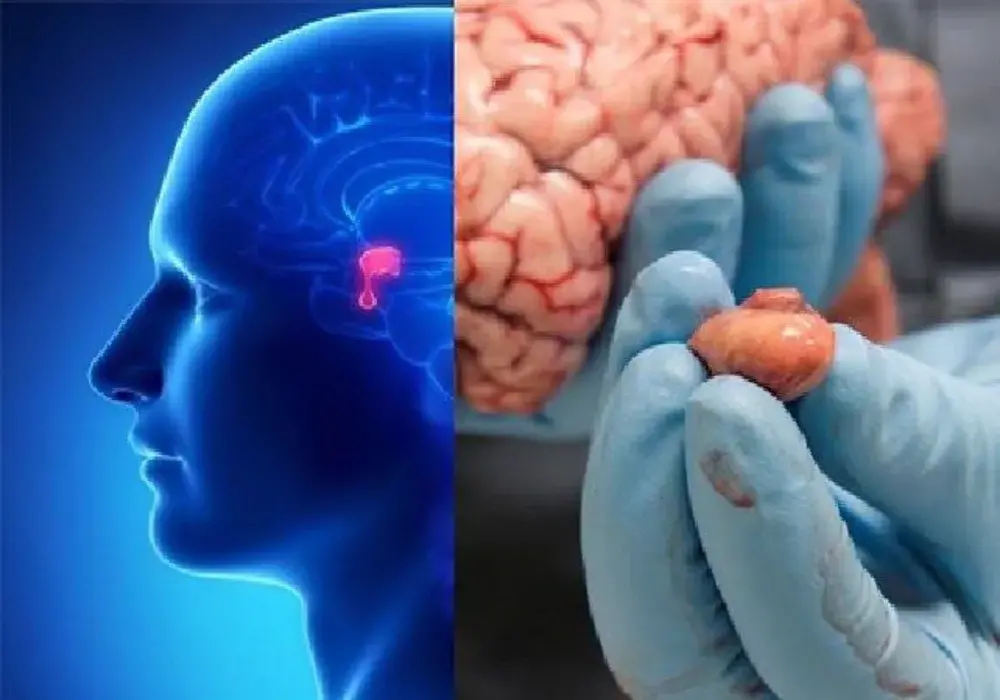

🧠 Pituitary Tumors in Abbassia | Symptoms and Treatment with Dr. Maged Abdullah Matar
Although pituitary tumors can seem complex because the pituitary gland is closely connected to the brain and the body's hormonal system, early diagnosis can help determine the nature of the tumor and identify the most appropriate treatment approach. Pituitary tumors are abnormal growths that develop in the pituitary gland, a small gland located at the base of the brain. Most pituitary tumors are benign and grow slowly. Pituitary tumor symptoms may occur because of excessive hormone production or pressure on nearby tissues, leading to symptoms such as headaches, vision problems, and hormonal changes.
In Abbassia, Dr. Maged Abdullah Matar, Consultant Neurosurgeon and Spine Surgeon, provides specialized evaluation and treatment for neurological and surgical conditions, with treatment plans tailored to each patient's condition and diagnostic findings.
📞 Contact & Appointment Booking with Dr. Maged Abdullah Matar
For inquiries and appointment booking:
Abbassia Clinic:
91 Abbassia Street – Doctors Tower – 5th Floor.
Clinic Hours:
Saturday – Sunday – Monday – Tuesday – Thursday
From 3:00 PM to 5:00 PM.
🧠 What Are Pituitary Tumors?
The pituitary gland is a small gland located at the base of the brain and plays an important role in regulating several hormones and vital functions throughout the body. Therefore, tumors that develop in this gland may affect hormonal balance or certain neurological functions depending on the tumor's size, location, and type.
The term pituitary tumors refers to abnormal growth of cells within the pituitary gland. Most of these tumors are benign and non-cancerous and generally do not spread to other parts of the body. However, they may require medical monitoring or treatment if they cause hormonal disorders or put pressure on nearby tissues.
The management of a pituitary tumor varies from one patient to another. There is no single treatment approach suitable for every case, as the treatment decision depends on the tumor type, size, hormonal effects, and relationship with the optic nerves and surrounding structures.
🔎 What Are the Types of Pituitary Tumors?
Pituitary tumors can be classified according to several factors, including their size and whether they affect hormone production.
1️⃣ Hormone-Secreting Pituitary Tumors
Some pituitary tumors can produce excessive amounts of specific hormones, which may lead to different symptoms depending on the affected hormone.
Examples include tumors that affect:
-
Growth hormone.
-
Prolactin.
-
ACTH.
-
Hormones involved in regulating the adrenal glands and reproductive functions.
2️⃣ Non-Functioning Pituitary Tumors
These tumors do not produce excessive amounts of hormones. However, they may cause symptoms as they grow and put pressure on nearby structures, particularly the visual pathways located close to the pituitary gland.
3️⃣ Small and Large Pituitary Tumors
Pituitary tumors can also be classified according to their size. Tumor size and location are important factors that help the doctor determine the potential impact of the tumor and the most appropriate management approach.
⚠️ What Are the Symptoms of Pituitary Tumors?
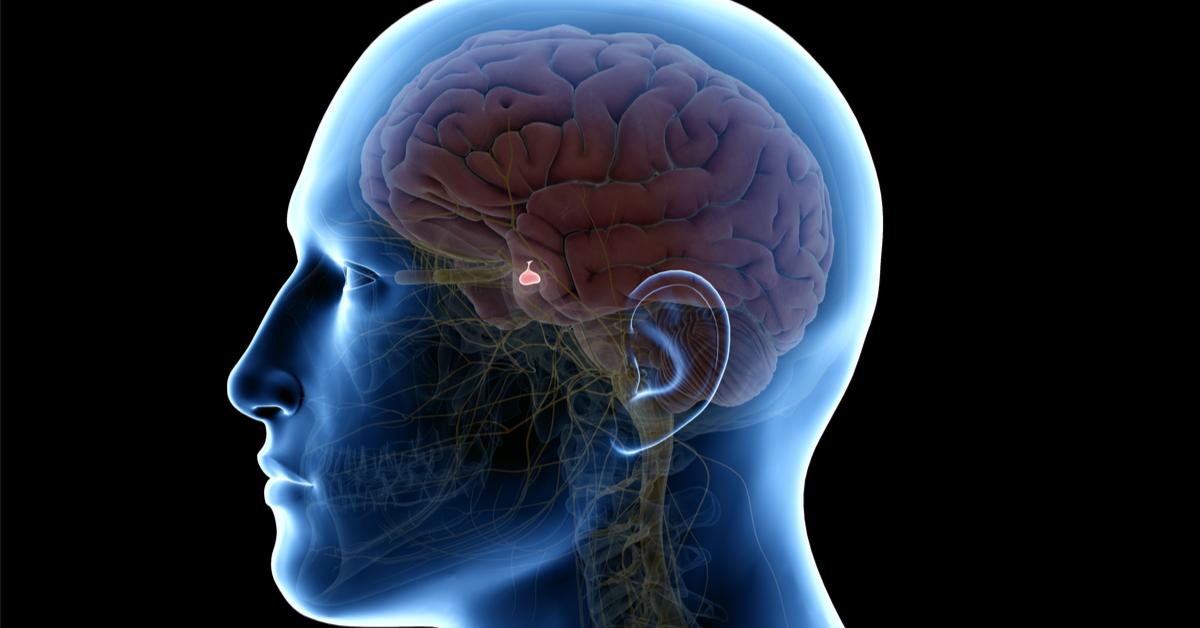
The symptoms of pituitary tumors vary depending on the type and size of the tumor and whether it causes increased or decreased hormone production.
Possible symptoms include:
🤕 Headaches
Some patients may experience headaches, particularly when the tumor becomes large or causes pressure on surrounding tissues.
👁️ Vision Problems
Large pituitary tumors may affect the visual pathways located near the pituitary gland, potentially causing changes in the visual field or other vision problems.
🧪 Hormonal Changes
A pituitary tumor may cause excessive production of certain hormones or interfere with normal pituitary function, resulting in symptoms related to hormonal imbalance.
⚖️ Changes in Weight or Body Appearance
Changes in body weight, body shape, or fat distribution may occur depending on the type of hormonal disorder associated with the tumor.
😴 Fatigue and Low Energy
Fatigue or reduced energy levels may occur when the normal function of the pituitary gland and hormone production are affected.
