
Pneumothorax Around the Lung Between Diagnosis and Treatment | Dr. Mahmoud El Degwy
What Is Pneumothorax Around the Lung?
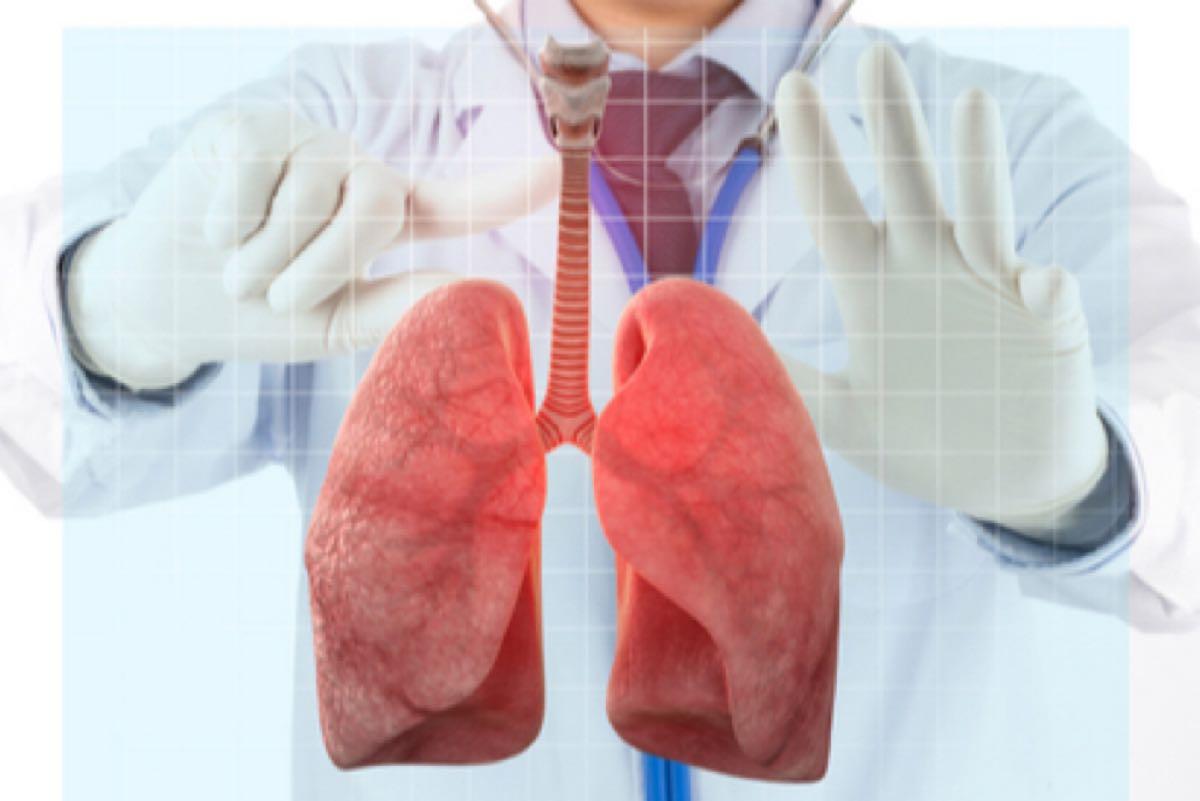
Pneumothorax is a medical condition that occurs when air leaks into the space between the lung and the chest wall. This causes pressure on the lung, leading to partial or complete lung collapse, which may result in breathing difficulties and sudden chest pain. The severity of the condition varies depending on the amount of leaked air and the overall health of the lungs.
According to Dr. Mahmoud El Degwy, early diagnosis of pneumothorax plays a major role in reducing complications and improving recovery chances, especially in patients suffering from chronic chest diseases.
Causes of Pneumothorax Around the Lung
There are several causes that may lead to pneumothorax, including:
1. Spontaneous Pneumothorax
This type occurs without a direct chest injury and commonly affects:
- Tall and thin young adults
- Smokers
- Patients with chronic lung diseases
2. Chest Injuries
It may occur due to:
- Car accidents
- Rib fractures
- Stab wounds or penetrating injuries
3. Complications of Medical Procedures
Such as:
- Central venous catheter insertion
- Lung biopsy procedures
- Mechanical ventilation
4. Chronic Lung Diseases
Including:
- Chronic obstructive pulmonary disease (COPD)
- Pulmonary fibrosis
- Severe asthma
- Tuberculosis
Symptoms of Pneumothorax Around the Lung
Symptoms of pneumothorax often appear suddenly and may include:
- Sudden sharp chest pain
- Shortness of breath
- Rapid heartbeat
- Fatigue and exhaustion
- Low oxygen levels
- Dry cough in some cases
In severe cases, dangerous signs may appear, such as:
- Bluish lips
- Low blood pressure
- Loss of consciousness
Dr. Mahmoud El Degwy emphasizes that ignoring these symptoms may lead to serious complications requiring immediate medical intervention.
How Is Pneumothorax Diagnosed?
Diagnosing pneumothorax depends on several important steps, including:
Clinical Examination
The doctor listens to breathing sounds and examines chest movement.
Chest X-Ray
This is considered the primary method for confirming the presence of air outside the lung.
CT Scan
A CT scan helps in complicated cases or when associated lung diseases are suspected.
Oxygen Saturation Measurement
This helps evaluate breathing efficiency and the extent of lung involvement.
According to Dr. Mahmoud El Degwy, rapid diagnosis is essential for determining the appropriate treatment plan and preventing complete lung collapse.
Treatment of Pneumothorax Around the Lung
Treatment depends on the size of the pneumothorax and the patient’s overall condition. Treatment options include:
1. Observation and Monitoring
In mild cases, the doctor may only monitor the patient while providing oxygen therapy until the trapped air disappears gradually.
2. Needle Aspiration or Catheter Drainage
A needle or small tube is inserted to remove the accumulated air around the lung.
3. Chest Tube Insertion
In moderate or severe cases, a chest tube may be inserted to drain the air and help the lung expand again.
4. Surgical Intervention
Some patients may require surgery, especially in cases of:
- Recurrent pneumothorax
- Persistent air leakage
- Lung tissue damage
Can Pneumothorax Be Completely Cured?
Yes, pneumothorax can be completely treated in many cases, especially with early diagnosis and proper medical care. However, recurrence may happen in some patients, which is why regular follow-up is recommended.
Dr. Mahmoud El Degwy advises patients to quit smoking and avoid strenuous physical activity after treatment to reduce the risk of recurrence.
Important Tips to Prevent Pneumothorax
To help reduce the risk of pneumothorax, the following tips are recommended:
- Quit smoking
- Treat chronic lung diseases regularly
- Seek medical advice if sudden chest pain occurs
- Avoid sudden pressure changes such as diving or air travel immediately after recovery
- Follow all medical instructions after treatment
When Should You See a Doctor?
You should seek immediate medical attention if you experience:
- Sudden shortness of breath
- Severe chest pain
- Difficulty breathing
- Bluish lips or dizziness
Quick medical intervention can prevent life-threatening complications.
Conclusion
Pneumothorax around the lung is a condition that requires accurate diagnosis and prompt treatment, especially because its symptoms may resemble other chest diseases. Early detection significantly improves treatment outcomes and reduces the risk of complications.
Dr. Mahmoud El Degwy confirms that proper medical follow-up and adherence to the treatment plan are essential for restoring lung function and returning to normal life safely.