
Polycystic Ovary Syndrome (PCOS) and Its Relationship with Pregnancy: Causes, Symptoms, and Complete Treatment
Introduction
Polycystic Ovary Syndrome (PCOS) and its relationship with pregnancy is one of the most concerning topics for women, especially when facing delayed conception. PCOS is a common hormonal disorder that can affect ovulation, but it does not necessarily mean infertility or inability to get pregnant. In this article, we will explain in detail the relationship between PCOS and pregnancy, along with the most effective treatment options.
What Is Polycystic Ovary Syndrome (PCOS)?
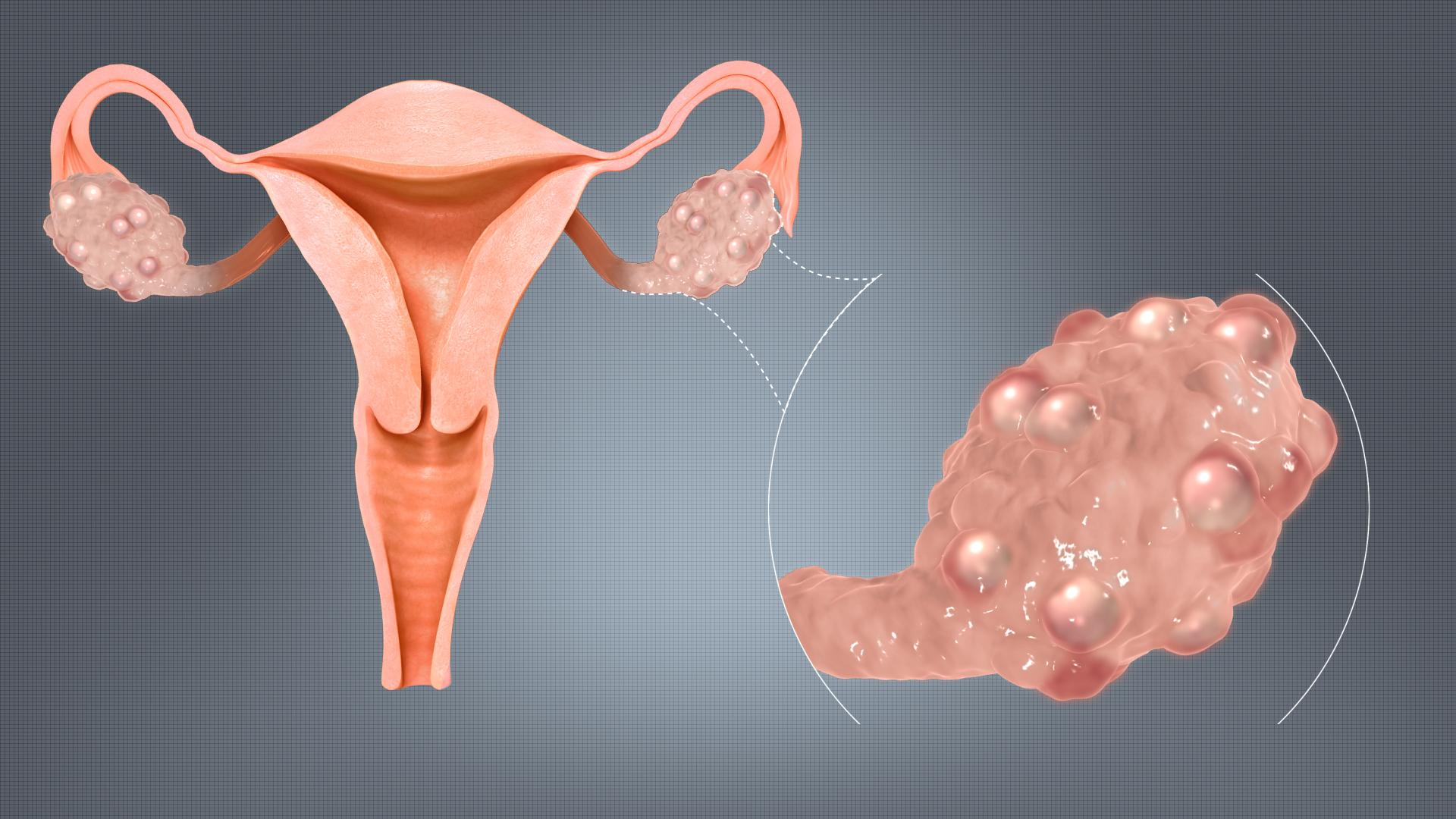
PCOS is a hormonal condition that affects women and leads to irregular ovulation and the formation of small cysts on the ovaries.
How Does PCOS Affect Pregnancy?
PCOS affects pregnancy by disrupting or making ovulation irregular, which reduces the chances of natural conception.
Does PCOS Prevent Pregnancy Completely?
No, PCOS does not completely prevent pregnancy. However, it may reduce the chances of natural conception. With proper treatment, most women can still conceive naturally or with medical assistance.
Symptoms of PCOS
- Irregular menstrual cycles
- Weight gain
- Acne
- Excess hair growth on the body
- Delayed pregnancy
Causes of PCOS
- Hormonal imbalance
- Insulin resistance
- Genetic factors
- Unhealthy lifestyle
Diagnosis of PCOS
PCOS is diagnosed through clinical examination, hormone blood tests, and pelvic ultrasound.
PCOS and Delayed Pregnancy
PCOS is one of the most common causes of delayed pregnancy in women due to its effect on ovulation.
Pregnancy Rate with PCOS
Pregnancy rates vary depending on the condition, but many women with PCOS can conceive after proper treatment or ovulation regulation.
Treatment of PCOS for Pregnancy
- Lifestyle changes (healthy diet + exercise)
- Ovulation induction medications
- Hormonal regulation
- IVF or ICSI in advanced cases
Best Diet for PCOS
- Reduce sugar intake
- Increase protein consumption
- Eat more fiber
- Avoid processed foods
Tips to Increase Chances of Pregnancy
- Track ovulation
- Maintain a healthy weight
- Reduce stress
- Follow prescribed treatment
When Should You See a Doctor?
You should see a doctor if you experience irregular periods or if pregnancy does not occur after 6–12 months of trying.
Conclusion
In conclusion, PCOS and its relationship with pregnancy does not mean permanent infertility. It is a condition that can be managed and successfully treated in most cases. Early diagnosis and proper treatment are key to improving fertility chances.
If you are experiencing PCOS symptoms or delayed pregnancy, consult your doctor early to start the appropriate treatment.