
🦷 Post-Orthodontic Treatment Instructions
Dr. Mahmoud Warad – Consultant in Dentistry & Orthodontics
Orthodontic treatment is an important step to improve the appearance and function of teeth and jaws. However, it requires strict adherence to post-placement instructions to ensure treatment success and achieve the best possible results in the shortest time.
In this article, Dr. Mahmoud Warad explains the most important medical guidelines that should be followed after getting braces.
🩺 First: Pain After Braces Is Completely Normal
After getting braces for the first time or after adjustment sessions, patients may experience:
Slight tooth pain or pressure
Difficulty in chewing
Sensitivity in teeth and gums
📌 This discomfort is normal and usually disappears within 3 to 7 days.
Mild pain relievers can be used after consulting your doctor.
🍎 Second: Recommended Foods After Braces
Dr. Mahmoud Warad recommends following a soft diet at the beginning to avoid damaging the braces or increasing pain, such as:
✔️ Allowed Foods:
Soft foods such as soup
Yogurt and mashed foods
Rice and pasta
Boiled eggs
❌ Foods to Avoid:
Hard nuts
Chewing gum
Sticky foods like caramel
Biting into apples or carrots directly
🪥 Third: Oral Hygiene Care
Oral hygiene during orthodontic treatment is extremely important to prevent cavities and gum disease:
Brush your teeth after every meal
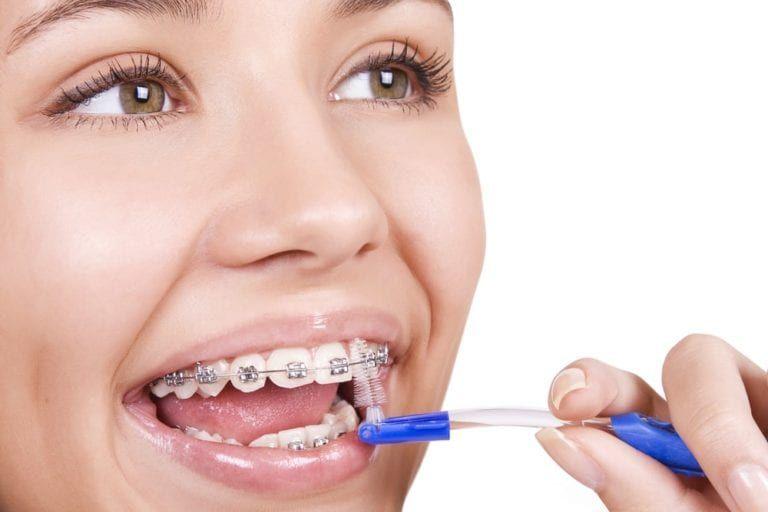
Use an orthodontic toothbrush
Use dental floss or interdental cleaning tools
Use an antiseptic mouthwash when needed
📌 Poor oral hygiene may lead to permanent stains on teeth after removing braces.
🧷 Fourth: Handling Braces in the First Days
Braces may cause some irritation inside the mouth, therefore it is recommended to:
Use orthodontic wax on brackets in case of irritation
Avoid touching braces with fingers or tongue frequently
Visit your doctor if any part becomes loose or broken
📅 Fifth: Keeping Medical Appointments
Regular dental visits are not optional; they are essential for:
Monitoring tooth movement
Adjusting wires and tightening
Avoiding treatment delays
📌 Missing appointments may significantly prolong treatment duration.
⚠️ When Should You Contact Your Doctor?
You should contact your dentist immediately in the following cases:
Severe or unbearable pain
Broken braces
Persistent sores in gums or cheeks
Abnormal movement of any appliance component
🦷 In Conclusion
The success of orthodontic treatment does not depend only on the doctor, but also on the patient’s daily commitment. The better the compliance, the faster, more beautiful, and more stable the results.
✍️ Dr. Mahmoud Warad
Consultant in Dentistry & Orthodontics
“A healthy smile starts with your commitment to the right instructions.”