
Raynaud’s Phenomenon and Cellulitis | Dr. Ahmed Gharib in Cairo
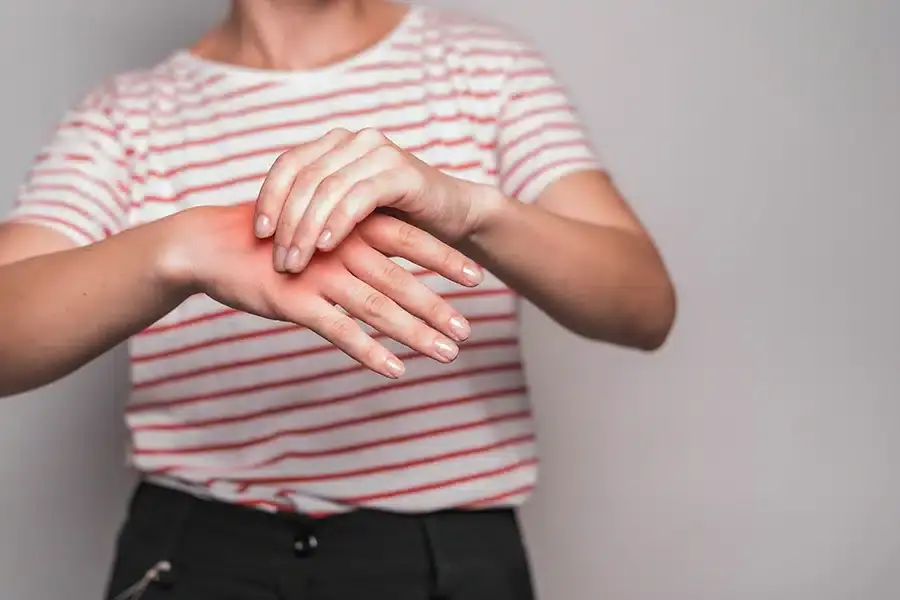
Conditions affecting blood vessels and the skin can have different causes, symptoms, and treatment needs. Raynaud’s phenomenon affects blood flow to the fingers and toes, particularly in response to cold temperatures or stress. Cellulitis, on the other hand, is a bacterial infection of the skin and the tissues beneath it that may become serious if not treated appropriately. Understanding the differences between these conditions can help people recognize warning signs and seek medical care at the right time.
Qubaa Specialized Hospital: Contact and Booking Details
Dr. Ahmed Gharib – Qubaa Specialized Hospital
Address: 25 Ibrahim El-Khalil Street, Qubaa City, Gesr El-Suez, Cairo, Egypt.
Working hours: Daily, from 8:00 PM to 12:00 midnight.
Booking numbers:
01022693460
01030303225
What Is Raynaud’s Phenomenon?
Raynaud’s phenomenon is a condition in which small blood vessels temporarily narrow, reducing blood flow to areas such as the fingers and toes. Episodes are commonly triggered by cold temperatures or emotional stress.
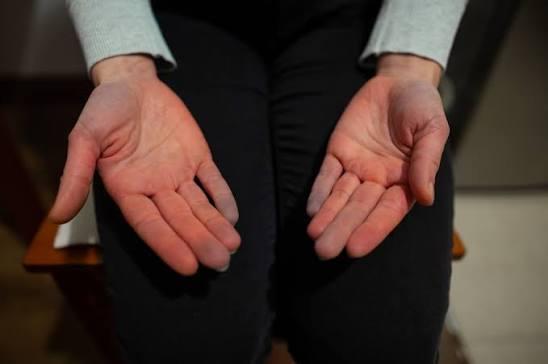
During an episode, the affected fingers may turn white or blue and later return to their usual color or become red as blood flow improves. Numbness, tingling, coldness, or pain may also occur.
The duration and severity of episodes vary. Primary Raynaud’s occurs without another associated disease, while secondary Raynaud’s may be related to conditions affecting blood vessels or connective tissue, certain medications, or other factors.
A change in finger color alone does not establish the cause. New, frequent, or worsening symptoms should be medically assessed.
What Are the Symptoms of Raynaud’s?
Raynaud’s symptoms most often affect the fingers and toes and may include:
-
Fingers turning white or blue and then becoming red as circulation returns.
-
Fingers feeling unusually cold.
-
Numbness or tingling during an episode.
-
Pain or discomfort as blood flow returns.
-
Repeated episodes triggered by cold or stress.
Not every episode involves all three color changes. Persistent discoloration, severe pain, or sores that do not heal may indicate a more serious problem with circulation and require urgent medical assessment.
What Causes Raynaud’s and What Can Trigger It?
Raynaud’s episodes occur when small blood vessels temporarily constrict. Cold exposure and emotional stress are common triggers.
Secondary Raynaud’s may be associated with autoimmune or connective tissue conditions, including scleroderma and lupus, or with other circulation-related problems. Certain medications and repeated exposure to vibration may also contribute in some people.
Assessment depends on the pattern of symptoms, when they began, whether one or both hands are affected, and whether other symptoms or relevant medical conditions are present. Additional tests may be needed when an underlying condition is suspected.
How Is Raynaud’s Managed?
Management depends on symptom severity and whether Raynaud’s is primary or associated with another condition. Everyday measures that may help reduce episodes include:
-
Keeping the body, hands, and feet warm.
-
Wearing suitable gloves and socks in cold weather.
-
Avoiding sudden temperature changes when possible.
-
Avoiding smoking, which can affect blood flow.
-
Reviewing medications with a clinician if they may contribute to blood vessel narrowing.
A clinician may prescribe medication to help widen blood vessels in some cases. If Raynaud’s is secondary to another disease, managing the underlying condition is also important.
Seek urgent medical care if a finger becomes severely painful, remains pale or blue without improvement, or develops sores or dark areas. These signs may indicate compromised circulation and possible tissue damage.
What Is Cellulitis?
Cellulitis is a bacterial infection affecting the skin and the tissues beneath it. It commonly causes an area of skin to become red, swollen, warm, and painful, and the affected area may spread.
Bacteria can enter through a small cut, scratch, crack in the skin, or insect bite. Skin damage caused by certain skin conditions can also increase the risk. The entry point is not always obvious.
Cellulitis can affect different parts of the body, although the legs are commonly involved. It should not be confused with simple skin irritation or other inflammatory conditions because bacterial cellulitis requires appropriate assessment and treatment.
What Are the Symptoms of Cellulitis?
Symptoms vary according to the location and severity of the infection. Common signs include:
-
Redness or a change in skin color.
-
Swelling in the affected skin and surrounding tissue.
-
Pain or tenderness when touched.
-
Skin that feels warmer than the surrounding area.
-
Redness or swelling that spreads over time.
-
Fever, chills, or general fatigue in some cases.
Redness may be less noticeable on darker skin, so swelling, tenderness, and increased warmth are also important signs to watch for.
Rapidly spreading redness, fever, chills, or a worsening general condition require urgent medical assessment. Severe pain that seems disproportionate to the skin changes, dark patches, blisters, confusion, or marked dizziness require emergency evaluation.
How Is Cellulitis Diagnosed and Treated?
Diagnosis is generally based on examining the skin, reviewing when symptoms began and how they have progressed, and assessing the patient's overall condition. Additional tests may be needed if the infection appears severe or the diagnosis is uncertain.
Bacterial cellulitis is treated with antibiotics selected by a clinician according to the severity and location of the infection and the patient's medical condition. Mild cases may be treated with oral medication, while severe infections may require hospital treatment and intravenous antibiotics.
Take medication as directed. Do not use leftover antibiotics or stop treatment without medical advice. Further assessment is important if symptoms worsen or do not begin to improve within the period specified by the treating clinician.
What Is the Difference Between Raynaud’s and Cellulitis?
Although both conditions can affect the fingers or toes, their causes and typical symptoms are different.
Raynaud’s involves temporary narrowing of blood vessels, often triggered by cold or stress. Color changes are usually episodic and may improve as circulation returns.
Cellulitis is a bacterial infection that typically causes persistent redness or discoloration, swelling, warmth, and tenderness. Fever or rapidly spreading inflammation may also occur.
Medical assessment is important when the distinction is unclear. Severe circulation problems can threaten tissue health, and an infection may require prompt treatment to prevent complications.
When Should You Seek Medical Help?
Raynaud’s symptoms should be assessed if they are new, severe, frequent, or interfere with daily activities, particularly when sores, persistent pain, or unusual color changes develop.
Suspected cellulitis requires prompt medical assessment so that appropriate treatment can begin and the infection can be monitored. Fever, chills, rapidly spreading redness, severe pain, or dark changes in the skin make urgent assessment especially important.
For either condition, self-diagnosis and unsupervised medication use are not recommended. Appropriate management depends on the cause, symptom severity, and overall health.
Contact Dr. Ahmed Gharib in Cairo
If you experience repeated finger color changes that may be related to Raynaud’s phenomenon, or notice redness, swelling, and pain that could indicate cellulitis, seek an appropriate medical assessment to determine the cause and next steps.
You can contact Dr. Ahmed Gharib at Qubaa Specialized Hospital to arrange an appointment.
Address: 25 Ibrahim El-Khalil Street, Qubaa City, Gesr El-Suez, Cairo, Egypt.
Working hours: Daily, 8:00 PM–12:00 midnight.
Booking numbers: 01022693460 – 01030303225