Revolutionary AI Tool Promises Faster Development of Liver Disease Treatments
U.S. health authorities have approved the first AI-driven tool designed to support clinical research on severe liver disease, marking a breakthrough that could speed up drug development.
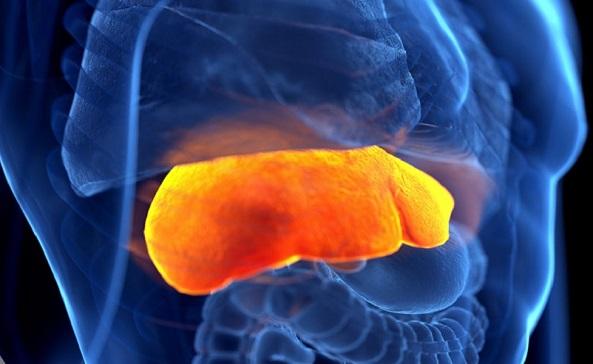
In a significant medical step forward, U.S. regulators announced the qualification of a new artificial intelligence tool built to assist physicians in clinical trials targeting acute forms of fatty liver disease. The tool, named AIM-NASH, operates through an advanced cloud-based platform that analyzes liver tissue images with remarkable precision, focusing on key indicators such as fat accumulation, inflammation, and fibrosis levels.
This innovation responds to one of the most time-consuming challenges in liver disease research: manual biopsy reviews that often require multiple specialists and can produce varying interpretations. AIM-NASH aims to unify diagnostic standards, accelerate sample processing, reduce research costs, and potentially shorten drug development timelines dramatically.
Comparative studies revealed that the system’s assessments closely matched those of human pathology experts, reinforcing confidence in its use within pharmaceutical research pipelines. As artificial intelligence becomes increasingly integrated into drug development, experts predict that tools like AIM-NASH could reshape clinical workflows and cut development cycles significantly in the coming years.
The approval of AIM-NASH marks a pioneering moment in merging AI with medicine—one that may bring effective treatments closer to millions of patients living with chronic liver disease.

Regular health screening is one of the most important steps to maintain good health and detect diseases early. The essential medical checkups for every age help in preventing complications and ensuring a healthier life.

Many people, after doing medical tests, receive their results and immediately start looking at numbers and unfamiliar terms like (High – Low – Normal) without fully understanding what they actually mean.

When dealing with medical services, many people come across different titles for doctors such as “Specialist” and “Consultant”, which can sometimes create confusion about what each title actually means and how they differ from each other.

Choosing the right time to visit a doctor is not a random decision. It can directly affect how quickly a condition is diagnosed and how effective the treatment will be. Many people delay visiting a doctor or go at the wrong time, which may lead to worsening symptoms or delayed care.
