Revolutionary artificial intelligence reveals the secrets behind the growth and spread of cancer cells
Indian researchers developed OncoMark, an AI-powered tool that analyzes molecular features of cancer, enabling doctors to design more precise and personalized treatments.
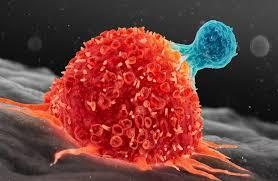
A team of researchers in India has developed an advanced AI tool called OncoMark, offering an unprecedented approach to understanding cancer at the molecular level by analyzing the internal processes that allow cancer cells to grow, survive, and spread. The study, published in Communications Biology, marks a significant step toward more precise and personalized treatments, moving beyond reliance solely on tumor size or location.
Traditional diagnostics focus on visible factors like tumor size, location, and spread, but fail to capture molecular changes that define tumor aggressiveness and therapy resistance. OncoMark analyzes the hallmark traits of cancer, including uncontrolled cell growth, evasion of programmed cell death, tissue invasion, immune system evasion, and therapy resistance.
The system is trained on genetic data from 3.1 million cancer cells across 14 cancer types, mapping interactions among cancer traits to create a detailed molecular profile of each tumor. In tests, OncoMark achieved over 96% accuracy in predicting tumor aggressiveness, spread, and therapy resistance.
This innovation represents a paradigm shift in cancer treatment, allowing doctors to create personalized treatment plans based on the tumor’s molecular fingerprint, improving outcomes and reducing unnecessary interventions. The research team plans to integrate OncoMark into clinical practice and expand its application to blood cancers and rare tumor types, paving the way for a new era of precision oncology.

Regular health screening is one of the most important steps to maintain good health and detect diseases early. The essential medical checkups for every age help in preventing complications and ensuring a healthier life.

Many people, after doing medical tests, receive their results and immediately start looking at numbers and unfamiliar terms like (High – Low – Normal) without fully understanding what they actually mean.

When dealing with medical services, many people come across different titles for doctors such as “Specialist” and “Consultant”, which can sometimes create confusion about what each title actually means and how they differ from each other.

Choosing the right time to visit a doctor is not a random decision. It can directly affect how quickly a condition is diagnosed and how effective the treatment will be. Many people delay visiting a doctor or go at the wrong time, which may lead to worsening symptoms or delayed care.
