
Rheumatic Fever in Belgay | Dr. Youssef Abdel Moneim
Dr. Youssef Abdel Moneim – Fellow of Internal Medicine, Cardiology and Cardiac Catheterization
If you are looking for a cardiology and internal medicine doctor in Belgay for the evaluation and follow-up of rheumatic fever or its possible effects on the heart, Dr. Youssef Abdel Moneim provides specialized medical care in internal medicine, cardiology, and cardiac catheterization in Belgay and surrounding areas.
📞 Appointments and inquiries: 01038423989
💬 WhatsApp: 01092966400
📧 Email: [email protected]
📍 Belgay Clinic: Belgay entrance, next to Al-Wahab Mosque
📍 Gemeiza Belgay Clinic: Gemeiza Belgay, above Dr. Magda Magdy Pharmacy and Al-Safa Laboratory
What Is Rheumatic Fever?
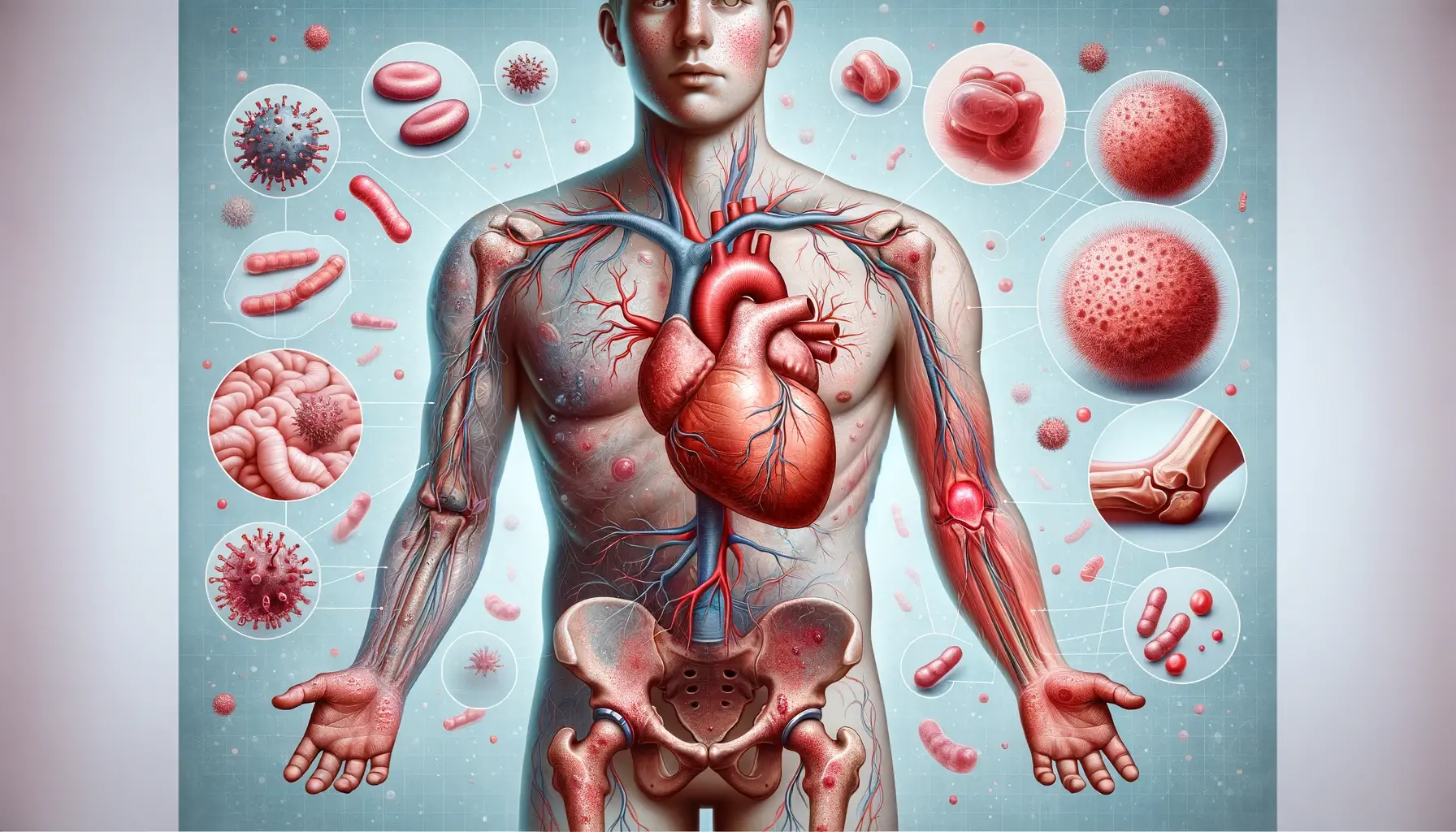
Rheumatic fever is an inflammatory disease that may develop after a bacterial throat infection caused by group A Streptococcus bacteria. It occurs as a result of an abnormal immune response following the infection and may affect the joints, heart, skin, and nervous system.
Rheumatic fever in Belgay requires particular attention when there is a possibility of heart or heart valve involvement. Recurrent episodes or inadequate medical follow-up may lead to chronic heart valve problems in some cases. Early diagnosis and follow-up with a cardiology and internal medicine doctor can help evaluate the condition and establish an appropriate treatment and prevention plan.
What Causes Rheumatic Fever?
The main cause of rheumatic fever is an immune response that develops after a throat infection caused by group A Streptococcus bacteria.
Having a sore throat does not necessarily mean that a person will develop rheumatic fever. However, failure to properly diagnose and treat a bacterial throat infection may increase the risk of developing the condition.
For this reason, persistent or severe throat infections should not be ignored, especially in children and adolescents. Medical evaluation is important to determine the cause of the infection and the appropriate treatment.
What Are the Symptoms of Rheumatic Fever?
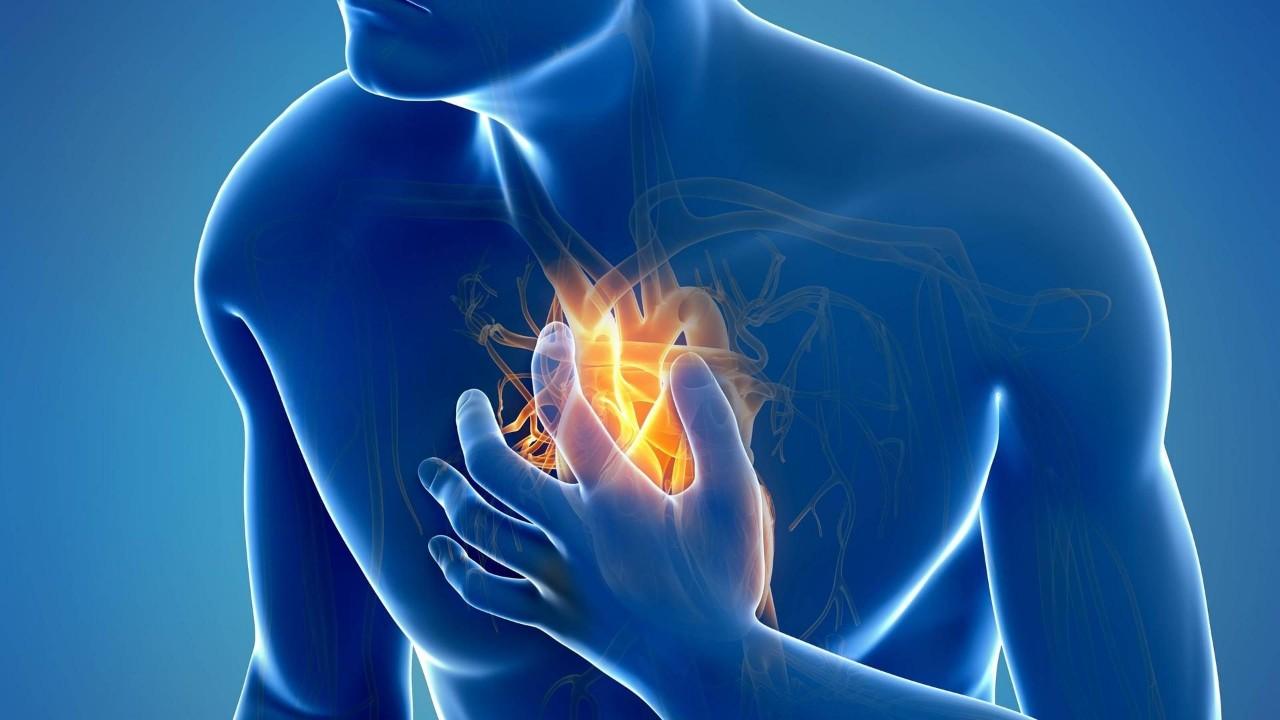
Symptoms of rheumatic fever may develop after a previous throat infection. Symptoms can vary from one person to another.
Common symptoms may include:
- Fever.
- Joint pain and swelling.
- Pain that moves from one joint to another.
- Fatigue and general weakness.
- Rapid heartbeat.
- Shortness of breath.
- Chest pain or discomfort.
- Skin rash in some cases.
- Involuntary movements or neurological symptoms in certain cases.
Symptoms alone cannot confirm rheumatic fever because similar symptoms may occur with other medical conditions. A proper medical evaluation is therefore necessary.
Can Rheumatic Fever Affect the Heart?
Yes. The heart is one of the most important organs that may be affected by rheumatic fever.
The condition can cause inflammation of the heart tissues or heart valves. In some cases, it may eventually lead to valve damage, particularly when rheumatic fever episodes recur.
Signs that may indicate cardiac involvement include:
- Rapid heartbeat.
- Shortness of breath.
- Fatigue during physical activity.
- Chest pain or discomfort.
- Swelling of the feet in some advanced cases.
For this reason, rheumatic fever follow-up with a cardiologist is important when heart involvement is suspected, allowing the physician to evaluate the condition of the heart and its valves.
How Is Rheumatic Fever Diagnosed?
Rheumatic fever is not diagnosed through a single test. Instead, the doctor relies on a combination of medical history, clinical examination, and appropriate medical investigations.
The diagnostic process may include:
- Reviewing the patient's medical history.
- Clinical examination.
- Looking for signs of joint inflammation.
- Blood tests according to the patient's condition.
- Tests that help identify a previous streptococcal infection.
- Electrocardiogram (ECG) when necessary.
- Echocardiography to evaluate the heart valves and heart function.
The appropriate investigations are determined according to the patient's symptoms, clinical examination, age, and medical history.
Treatment of Rheumatic Fever
Treatment of rheumatic fever depends on the patient's condition, symptoms, and the organs affected by the disease.
Treatment may include appropriate antibiotics to eliminate the bacterial infection, in addition to medications used to control inflammation and symptoms according to the doctor's assessment.
If the heart or heart valves are affected, the patient may require regular cardiology follow-up and long-term treatment depending on the severity of cardiac involvement.
It is important not to take antibiotics or anti-inflammatory medications without medical supervision, as the appropriate medication, dosage, and treatment duration depend on the patient's health condition and medical diagnosis.
Prevention of Rheumatic Fever
Prevention of rheumatic fever begins with appropriate management of throat infections caused by group A Streptococcus bacteria.
Important preventive measures include:
- Do not ignore persistent or severe sore throat.
- Consult a doctor when symptoms require medical evaluation.
- Complete the prescribed treatment as directed.
- Regular follow-up for patients who have previously had rheumatic fever.
- Following preventive treatment prescribed by the doctor in cases where it is required to prevent recurrence.
Preventing recurrent episodes of rheumatic fever is an important step in protecting the heart valves over the long term.
Rheumatic Fever in Children and Adolescents
Rheumatic fever commonly occurs in children and adolescents. Therefore, attention should be paid to joint pain, joint swelling, or fever following a throat infection.
Joint pain after a throat infection should not automatically be considered a minor problem, particularly when accompanied by palpitations, shortness of breath, or unusual fatigue.
Early diagnosis can help assess the possibility of heart involvement and determine whether appropriate treatment and follow-up are required.
When Should You See a Cardiologist?
You should consider consulting a cardiologist and internal medicine doctor when concerning symptoms develop after a throat infection, especially if you experience:
- Shortness of breath.
- Palpitations or rapid heartbeat.
- Chest pain.
- Severe fatigue.
- Joint swelling accompanied by fever.
- A previous history of rheumatic fever.
- A previous diagnosis of a heart valve problem.
The purpose of medical follow-up is not only to manage symptoms but also to evaluate the heart and heart valves and identify possible complications at an early stage.
Dr. Youssef Abdel Moneim for Cardiology and Internal Medicine in Belgay
Dr. Youssef Abdel Moneim provides specialized medical services in internal medicine, cardiology, and cardiac catheterization. He focuses on accurate diagnosis and follow-up of cardiovascular diseases according to each patient's medical condition.
With his specialization in internal medicine, cardiology, and cardiac catheterization, patients in Belgay and surrounding areas can receive cardiovascular evaluation and ongoing medical care when required.
Dr. Youssef Abdel Moneim Clinic in Belgay
📍 Address: Belgay entrance, next to Al-Wahab Mosque
📞 Appointments and inquiries: 01038423989
Dr. Youssef Abdel Moneim Clinic in Gemeiza Belgay
📍 Address: Gemeiza Belgay, above Dr. Magda Magdy Pharmacy and Al-Safa Laboratory
📞 Appointments and inquiries: 01038423989
Contact Information
📱 Clinic Phone: 01038423989
💬 WhatsApp: 01092966400
📧 Email: [email protected]
Please book your appointment by phone or WhatsApp before visiting the clinic.
Conclusion
Rheumatic fever in Belgay requires proper diagnosis and medical follow-up, particularly when symptoms suggest possible involvement of the heart or heart valves. Early management of bacterial throat infections, adherence to the prescribed treatment plan, and regular follow-up are among the important measures for reducing the risk of complications.
If you are looking for a cardiology and internal medicine doctor in Belgay to evaluate rheumatic fever symptoms or follow up on a previous condition, you can contact Dr. Youssef Abdel Moneim – Fellow of Internal Medicine, Cardiology and Cardiac Catheterization to schedule a medical evaluation.
Excerpt:
Learn about the causes, symptoms, diagnosis, treatment, and prevention of rheumatic fever and its effect on the heart, with Dr. Youssef Abdel Moneim, a cardiology and internal medicine specialist in Belgay.
Meta Title:
Rheumatic Fever in Belgay | Dr. Youssef Abdel Moneim
Meta Description:
Learn about rheumatic fever symptoms, causes, diagnosis, treatment, prevention, and its effect on the heart with Dr. Youssef Abdel Moneim in Belgay.
Image Alt:
Rheumatic Fever in Belgay - Dr. Youssef Abdel Moneim