
Root Canal Treatment and Toothache Relief in Heliopolis | Dr. Mohamed Asfour
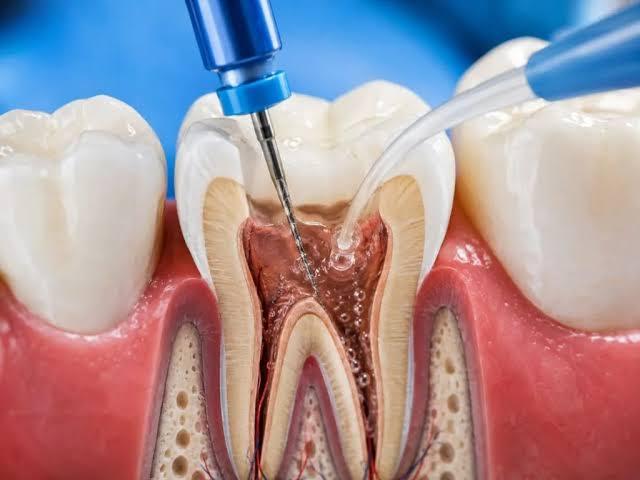
Toothache may begin as sensitivity to hot or cold drinks and gradually develop into persistent pain that affects sleep or eating. In some cases, the cause is deep tooth decay that has reached the dental pulp, making root canal treatment necessary to relieve symptoms and preserve the tooth. Dr. Mohamed Asfour emphasizes the importance of identifying the cause of the pain first, since the appropriate treatment depends on a dental examination and an assessment of the internal tissues. Early evaluation can help identify the problem and determine the appropriate treatment before it becomes more severe.
Appointment and Contact Information for Dr. Mohamed Asfour
Address:
25 Mohamed Farid Street, Heliopolis, Cairo, Egypt.
Phone:
What Causes Toothache?
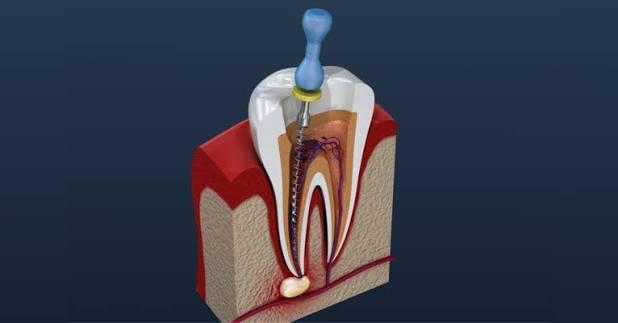
Toothache can have several causes, and its source cannot be determined accurately from pain intensity alone. It may result from tooth decay, inflammation of the dental pulp, a cracked tooth, or inflammation of the gums and tissues surrounding the root. In some cases, it may also be associated with tooth sensitivity or a problem involving an old filling or dental restoration.
Tooth decay usually affects the outer layers of the tooth first, but it may progress into deeper structures if left untreated. When decay reaches the dental pulp, which contains nerves and blood vessels, inflammation may develop and cause spontaneous pain or sensitivity that continues after the original trigger is removed. Some people also experience pain when chewing or applying pressure to the affected tooth.
Symptoms vary from one person to another. Some dental problems cause intermittent discomfort, while advanced inflammation may be accompanied by persistent pain or swelling. Recurrent or ongoing toothache should therefore be assessed by a dentist rather than managed with painkillers alone or left untreated.
When Does a Tooth Need Root Canal Treatment?
Root canal treatment may be needed when the dental pulp becomes damaged, inflamed, or infected and cannot be managed with an appropriate conservative treatment. This may occur because of deep decay, dental trauma, or certain cracks that allow bacteria to reach the internal tissues.
Symptoms that may indicate the need for an assessment include severe or persistent pain, pain that worsens at night, sensitivity that continues after exposure to hot or cold substances, or discomfort when chewing. However, these symptoms alone do not confirm that root canal treatment is necessary because different dental conditions can produce similar signs.
Diagnosis involves a clinical examination and may require dental X-rays to assess the roots and surrounding tissues. After evaluating the pulp, the dentist determines whether root canal treatment or another option is appropriate. The goal is to remove affected tissue from the root canals, clean them, and seal them while preserving the natural tooth whenever possible.
How Is Root Canal Treatment Performed?
Treatment begins with an examination of the tooth and an assessment of the symptoms. X-rays may be taken to clarify the root structure and the extent of the problem. Once a treatment plan is established, local anesthesia is usually administered to reduce discomfort during the procedure. The dentist then creates an opening to access the pulp chamber and root canals.
Inflamed or infected tissue is removed, and the canals are cleaned and shaped using specialized instruments. They are then disinfected as part of the treatment process. The canals are filled with a suitable material to seal them and reduce the risk of bacterial re-entry. The tooth may subsequently need a permanent filling or another restoration, and sometimes a crown, depending on how much tooth structure remains and how vulnerable it is to fracture.
Treatment may be completed in one or more appointments depending on the condition of the tooth, the presence of infection, and the complexity of the root canals. Temporary tenderness or discomfort when chewing may occur afterward. However, severe pain or increasing swelling should be reported to the dentist for reassessment.
What Is the Difference Between a Regular Filling and a Root Canal?
The difference depends on the depth of the decay and whether the dental pulp has been affected. When decay is limited and has not reached the pulp, the dentist may remove the decayed tissue and restore the tooth with a suitable filling. If the pulp is infected or damaged to a degree that requires treatment, root canal therapy may be necessary.
Toothache does not automatically mean that a root canal is required. The cause may be superficial decay, gum inflammation, or another condition that needs a different approach. A dental examination is therefore the appropriate way to determine the treatment rather than making a decision based on symptoms alone.
Both procedures aim to address the underlying problem and preserve the tooth's function whenever possible. The appropriate option depends on the diagnosis and the condition of the tooth and surrounding tissues.
How Can Toothache Be Relieved Temporarily?
If toothache develops before a dental appointment, simple measures may help reduce discomfort temporarily, but they do not treat the underlying cause. Gentle brushing, rinsing with lukewarm water, and avoiding very hot, cold, or sugary foods that worsen the pain may help. It is also advisable to avoid chewing on the affected side until the tooth has been assessed.
Some people may use an appropriate pain reliever according to the product instructions, taking into account medical conditions, contraindications, and other medications. Aspirin should not be placed directly on the tooth or gums, antibiotics should not be taken without a prescription, and painkillers should not be used as a reason to delay dental evaluation.
If the pain persists or returns after temporarily improving, arrange a dental examination. Facial or jaw swelling, fever, or pus requires urgent medical assessment. If swelling is accompanied by difficulty breathing or swallowing, seek emergency care immediately.
What Happens After Root Canal Treatment?
Recovery varies according to the condition of the tooth and the treatment performed. Mild tenderness or discomfort when applying pressure may occur for several days and should gradually improve. Follow the dentist's instructions regarding oral care and any prescribed medication.
Avoid putting excessive pressure on the treated tooth until its final restoration is complete, particularly if significant tooth structure was lost because of decay. Depending on the condition of the tooth, the dentist may recommend a crown or another suitable restoration to help protect it from fracture.
Maintaining oral hygiene is also important. Brush with fluoride toothpaste, clean between the teeth, and attend routine dental examinations. If pain worsens instead of improving, swelling develops, or symptoms persist unusually, return to the dentist for reassessment.
Book a Toothache Examination with Dr. Mohamed Asfour
Persistent toothache should not be ignored or managed with painkillers alone, as appropriate treatment begins with identifying the cause. If you experience pain when chewing, ongoing sensitivity, or symptoms that may indicate a problem with the dental nerve, contact Dr. Mohamed Asfour to arrange an appointment and have the condition assessed.
Address: 25 Mohamed Farid Street, Heliopolis, Cairo, Egypt.
Appointments and inquiries: 01017055547