
Root Canal Treatment in Mohandessin | Dr. Yasser El-Hawary
Root canal treatment is an important dental procedure used to treat teeth affected by deep decay or inflammation that has reached the dental pulp. In cases where the tooth can be treated and preserved, root canal therapy may help avoid tooth loss. Symptoms may include persistent pain, severe sensitivity to hot or cold drinks, pain while chewing, or swelling around the affected tooth.
Dr. Yasser El-Hawary provides root canal treatment at Tulip Dental Clinic in Mohandessin, where proper evaluation is important to identify the cause of dental pain and determine the appropriate treatment.Tulip Dental Clinic Information
📍 Address:
Mohandessin – Moussa Galal Square – Off El-Hegaz Street
☎️ Phone / WhatsApp:
01008742398
1.jpg)
What Is Root Canal Treatment?
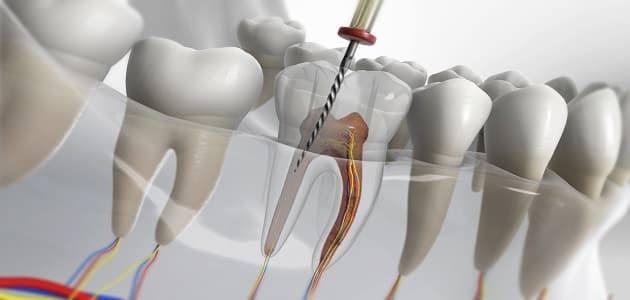
Root canal treatment is a dental procedure used to treat the inside of a tooth when the dental pulp becomes inflamed or infected.
The dental pulp contains nerves and blood vessels. When deep decay or damage reaches this area, treatment may become necessary to preserve the tooth.
During root canal treatment, inflamed or infected tissue is removed from inside the tooth. The root canals are then cleaned, shaped, and filled to help prevent bacteria from entering them again.
When Does a Tooth Need Root Canal Treatment?
A tooth may require root canal treatment when deep decay reaches the pulp or when an injury affects the internal tissues.
Possible signs include:
- Severe or persistent tooth pain.
- Pain when chewing or applying pressure.
- Strong sensitivity to hot or cold that continues after the stimulus is removed.
- Swelling around the tooth or gums.
- Tooth discoloration in some cases.
- An abscess or pus around the tooth.
- Pain that may extend toward the jaw or face.
These symptoms do not necessarily mean that root canal treatment is required. The cause must be diagnosed through a dental examination and may require dental X-rays.
What Causes Dental Pulp Inflammation?
Common causes include:
- Deep tooth decay reaching the dental pulp.
- Tooth fractures or injuries.
- Repeated dental procedures on the same tooth.
- Leakage or problems with a previous filling.
- Dental trauma that affects the internal tissues, even when no obvious fracture is visible.
Untreated pulp inflammation or infection may spread to the tissues surrounding the tooth root.
How Is Root Canal Treatment Performed?
The treatment process varies depending on the condition of the tooth, but it generally includes several stages.
Examination and Diagnosis
The dentist evaluates the patient's symptoms and examines the affected tooth. X-rays may be used to assess the roots and surrounding tissues.
Local Anesthesia
Local anesthesia is used to help make the procedure comfortable and reduce pain during treatment.
Cleaning the Root Canals
The dentist accesses the inside of the tooth and removes inflamed or infected tissue. The root canals are then cleaned and prepared for filling.
Filling the Root Canals
After cleaning, the canals are filled with an appropriate material to help prevent bacteria from entering them again.
Restoring the Tooth
After root canal treatment, the tooth usually needs an appropriate restoration to protect it and restore its function. Depending on the remaining tooth structure and its condition, a filling or dental crown may be recommended.
Is Root Canal Treatment Painful?
Root canal treatment is usually performed under local anesthesia, so patients should not experience severe pain during the procedure.
Some patients may experience temporary sensitivity or mild discomfort after treatment, especially when the tooth was already inflamed. The level of discomfort varies from one case to another.
Severe or increasing pain after treatment, or significant swelling, should be evaluated by the dentist.
Can a Tooth Be Preserved After Root Canal Treatment?
In many cases, a natural tooth can be preserved after successful root canal treatment and appropriate restoration.
However, the possibility of preserving the tooth depends on several factors, including the amount of existing damage, the condition of the root and surrounding tissues, and how much healthy tooth structure remains.
A proper examination is therefore necessary to determine whether the tooth can be preserved.
What Is the Difference Between a Regular Filling and a Root Canal?
A regular dental filling is generally used to treat decay and restore damaged tooth structure when the dental pulp has not been significantly affected.
Root canal treatment is used when inflammation or infection reaches the dental pulp or when the pulp can no longer be preserved.
The appropriate treatment therefore depends on the depth of decay and the condition of the pulp and tissues surrounding the root.
What Happens If an Infected Tooth Nerve Is Left Untreated?
Pain may become worse or the infection may progress over time. The infection can also spread to the tissues surrounding the tooth root.
In some cases, an abscess may develop with pain or swelling. Importantly, the disappearance of pain does not always mean that the problem has resolved. Pain may stop when the nerve becomes severely damaged or dies while the infection continues.
Does Every Toothache Require Root Canal Treatment?
No. Tooth pain can have several causes, including tooth decay, gum inflammation, dental sensitivity, problems with fillings or restorations, and other dental conditions.
Root canal treatment should therefore not be determined based on pain alone. The underlying cause needs to be identified through a dental examination and, when necessary, X-rays.
When Does a Dental Problem Require Urgent Evaluation?
Prompt dental evaluation is important when severe pain, significant facial or gum swelling, an abscess, difficulty opening the mouth or swallowing, or fever occurs along with dental symptoms.
Severe swelling accompanied by difficulty breathing or swallowing requires emergency medical care.
How Can a Root-Treated Tooth Be Maintained?
Good daily oral care can help maintain dental and oral health, including:
- Brushing twice a day with fluoride toothpaste.
- Cleaning between the teeth regularly.
- Reducing frequent sugar intake.
- Avoiding excessive pressure on the treated tooth if advised by the dentist.
- Completing the final restoration when recommended.
- Having regular dental checkups.
Conclusion
Root canal treatment can address problems affecting the dental pulp as a result of deep decay, trauma, or other causes, and it may allow the natural tooth to be preserved when its condition is suitable for treatment.
Because each case is different, persistent tooth pain, prolonged sensitivity, or swelling should be evaluated to identify the cause and determine the appropriate treatment.