Severe Menstrual Pain: When Immediate Medical Consultation Is Necessary
Distinguishing normal period discomfort from warning signs of serious health conditions is crucial to prevent long-term complications and ensure timely treatment.

While many women consider menstrual cramps and pain a normal part of their cycle, medical studies emphasize that severe pain or heavy bleeding should never be ignored. These symptoms may indicate more complex conditions such as Polycystic Ovary Syndrome (PCOS) or endometriosis.
Warning Signs Requiring Urgent Attention
Doctors recommend seeking medical advice if any of the following occur:
-
Periods occurring less than 21 days apart or absent for more than 3 consecutive months.
-
Heavy bleeding requiring pad changes every 1–2 hours.
-
Bleeding lasting more than 7 days.
-
Large blood clots.
-
Severe pelvic or lower back pain affecting mobility, sleep, or daily activities.
-
Symptoms of anemia such as dizziness, persistent fatigue, or shortness of breath.
These signs often point to hormonal imbalances or serious conditions such as:
-
Polycystic Ovary Syndrome (PCOS): Causes irregular or heavy periods, acne, and excess body hair.
-
Endometriosis: Growth of uterine-like tissue outside the uterus, causing severe pain before and during menstruation, and bleeding after intercourse or urination.
Diagnosis and Treatment Steps
Doctors advise keeping a detailed record of:
-
Period start and end dates.
-
Duration and intensity of bleeding.
-
Pain levels and impact on daily life.
Tests may include blood work and ultrasound to check for ovarian cysts, uterine enlargement, or hormonal imbalances.
Early treatment options include:
-
Hormonal therapies, such as birth control pills to regulate cycles and reduce bleeding.
-
Pain relievers and anti-inflammatory medications for cramp management.
-
Physical therapy to strengthen pelvic muscles and improve posture.
-
Lifestyle modifications, including proper nutrition, adequate sleep, and moderate exercise.
Key Message
Menstruation is not a punishment, and severe pain or heavy bleeding is not inevitable. Early diagnosis and proper treatment prevent long-term complications and restore comfort in daily life, work, and study.

Regular health screening is one of the most important steps to maintain good health and detect diseases early. The essential medical checkups for every age help in preventing complications and ensuring a healthier life.
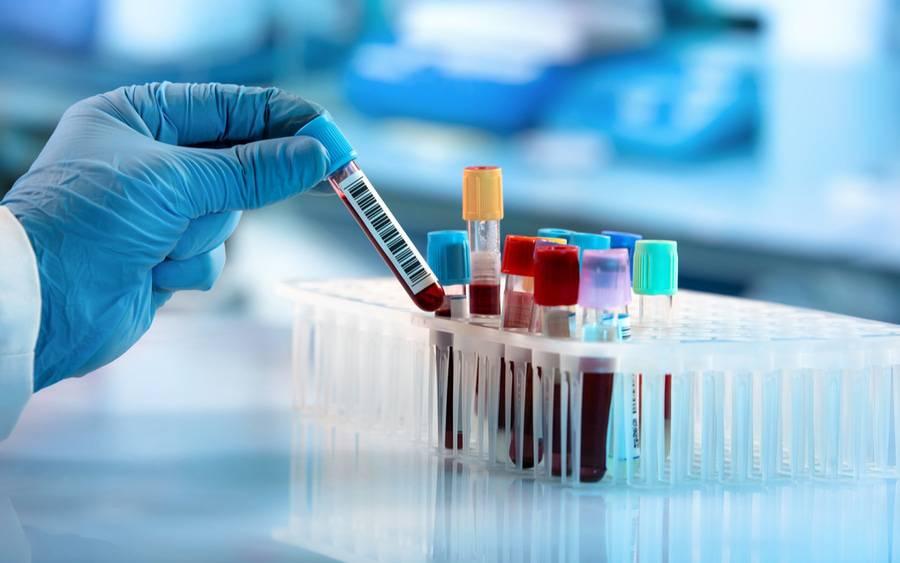
Many people, after doing medical tests, receive their results and immediately start looking at numbers and unfamiliar terms like (High – Low – Normal) without fully understanding what they actually mean.

When dealing with medical services, many people come across different titles for doctors such as “Specialist” and “Consultant”, which can sometimes create confusion about what each title actually means and how they differ from each other.

Choosing the right time to visit a doctor is not a random decision. It can directly affect how quickly a condition is diagnosed and how effective the treatment will be. Many people delay visiting a doctor or go at the wrong time, which may lead to worsening symptoms or delayed care.
