Skipping Breakfast: A Common Morning Habit That Raises Cholesterol and Heart Risk
Delaying or skipping breakfast disrupts the body’s biological clock and insulin sensitivity, increasing LDL cholesterol, triglycerides, and reducing HDL cholesterol, raising the risk of heart disease.
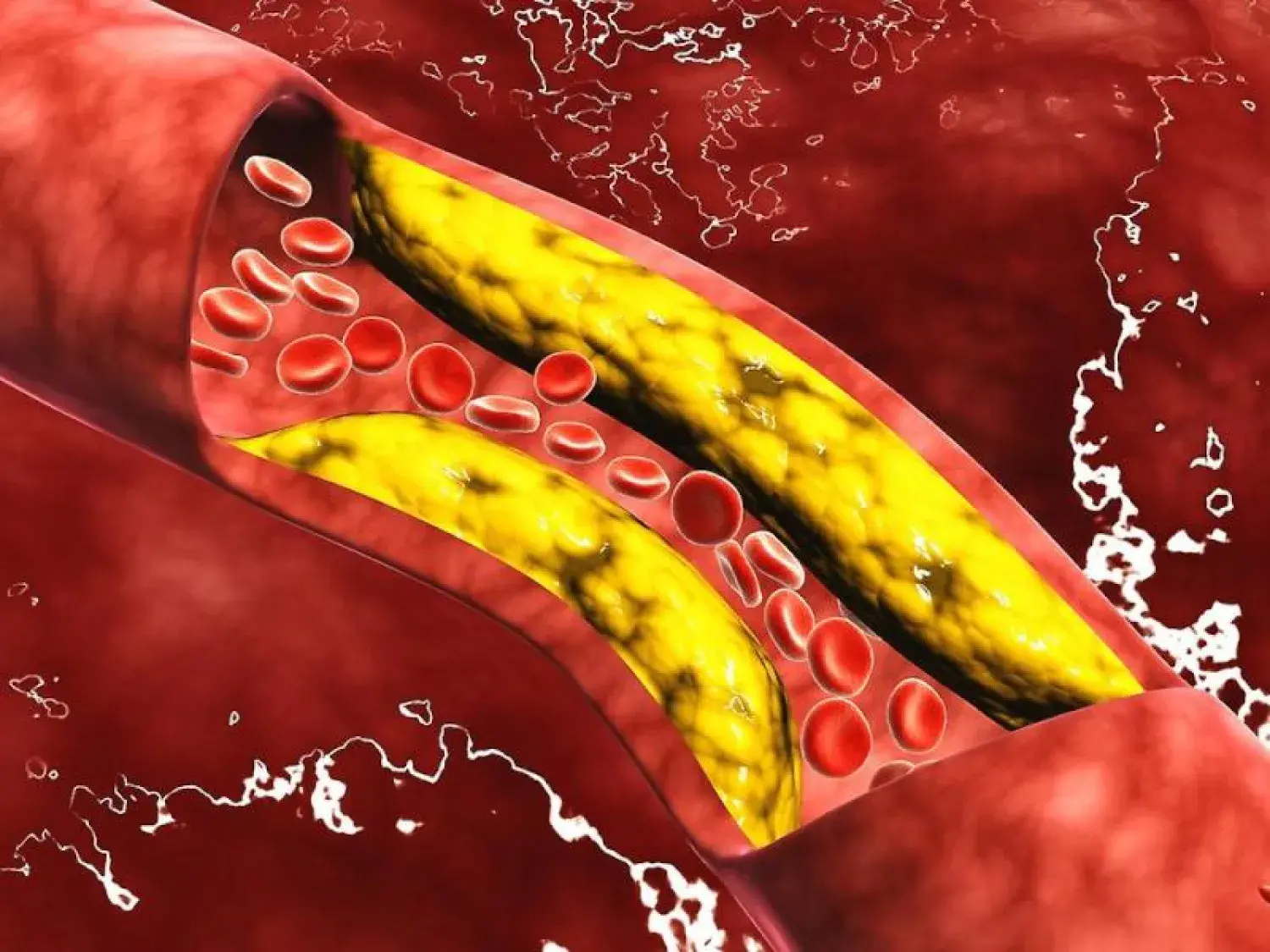
Doctors warn that skipping breakfast, a common morning habit, can subtly alter cholesterol levels and increase long-term heart disease risk. Recent studies link delayed or missed morning meals with higher LDL cholesterol and triglycerides, along with lower HDL cholesterol.
Impact of Skipping Breakfast on Cholesterol
Studies show that those who skip or eat breakfast late experience an annual increase of 0.89 mg/dL in LDL cholesterol, along with higher triglycerides and lower HDL cholesterol.
The effect is stronger among women, overweight or obese individuals, and those who are physically inactive.
Biological Clock and Insulin Sensitivity
Missing breakfast disrupts the body’s internal clock and insulin sensitivity, affecting appetite hormones and reducing the efficiency of fat and cholesterol metabolism. The daily rhythm regulates genes and enzymes responsible for cholesterol processing, and disturbance increases LDL cholesterol, endangering heart health.
Tips to Maintain Healthy Cholesterol Levels
-
Eat a nutritious breakfast rich in protein and fiber.
-
Avoid delaying meals until late in the day.
-
Exercise regularly to support fat metabolism and regulate cholesterol.

Regular health screening is one of the most important steps to maintain good health and detect diseases early. The essential medical checkups for every age help in preventing complications and ensuring a healthier life.

Many people, after doing medical tests, receive their results and immediately start looking at numbers and unfamiliar terms like (High – Low – Normal) without fully understanding what they actually mean.

When dealing with medical services, many people come across different titles for doctors such as “Specialist” and “Consultant”, which can sometimes create confusion about what each title actually means and how they differ from each other.

Choosing the right time to visit a doctor is not a random decision. It can directly affect how quickly a condition is diagnosed and how effective the treatment will be. Many people delay visiting a doctor or go at the wrong time, which may lead to worsening symptoms or delayed care.
